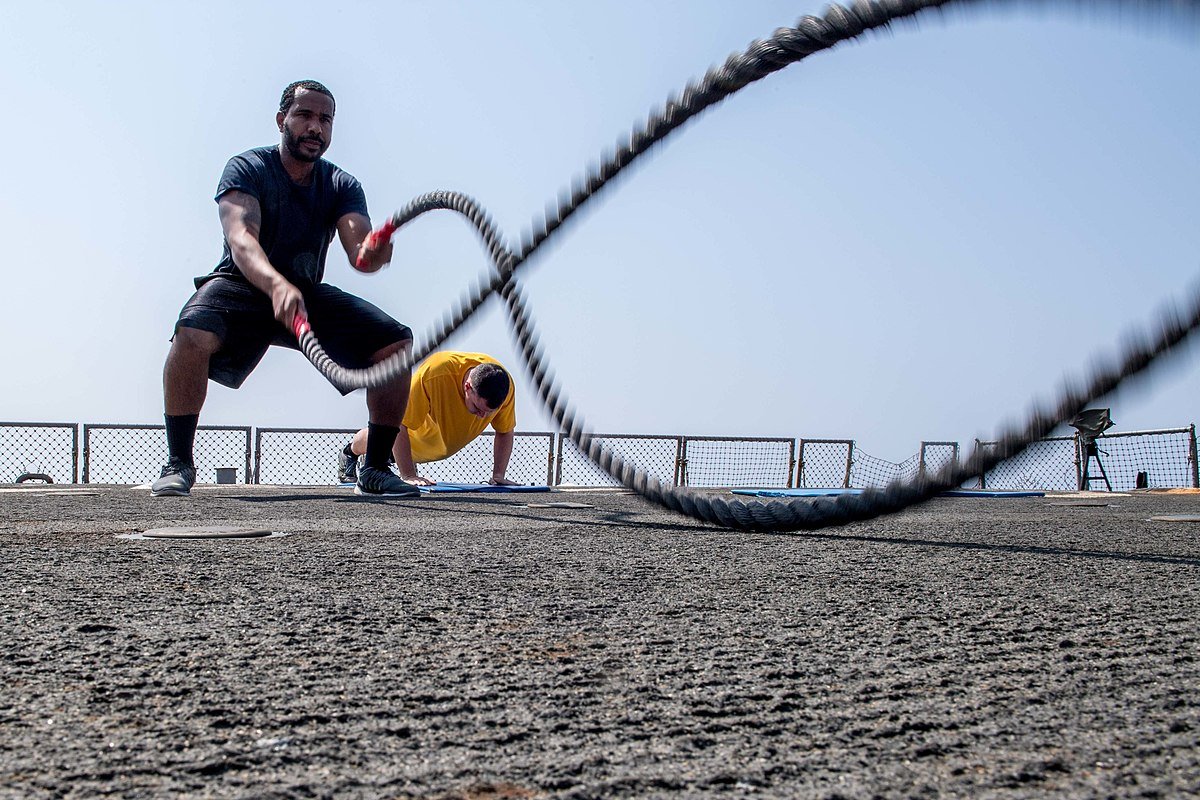
Battle ropes aren’t just gym equipment; they’re a full-body revolution. I remember the first time I picked up a pair of battle ropes at my local gym—my arms were shaking, my heart was racing, and I was hooked. These heavy, coiled beasts can transform your workout, torching calories, building strength, and boosting endurance all at once. If you’re looking to shake up your fitness routine, this article dives into the 10 best battle rope exercises for a full-body workout, complete with tips, benefits, and practical advice to get you started.
Why Battle Ropes Are a Game-Changer
Battle ropes deliver a unique blend of strength, cardio, and coordination. Unlike traditional weightlifting, they engage multiple muscle groups simultaneously while keeping your heart rate sky-high. Whether you’re a beginner or a seasoned athlete, battle ropes offer scalable intensity that fits any fitness level.
Benefits of Battle Rope Training
Battle ropes are more than just a trendy gym tool. They improve grip strength, core stability, and cardiovascular endurance. Plus, they’re low-impact, making them easier on your joints compared to running or heavy lifting.
- Full-Body Engagement: Works arms, shoulders, core, and legs in one go.
- Calorie Burn: High-intensity rope workouts can burn up to 10–15 calories per minute.
- Versatility: Suitable for HIIT, strength training, or endurance workouts.
- Fun Factor: Slamming ropes feels primal and satisfying—trust me, it’s addictive.
Who Can Use Battle Ropes?
Anyone can use battle ropes, from gym newbies to elite athletes. Beginners can start with lighter ropes and shorter sessions, while advanced users can crank up the intensity with heavier ropes or complex movements. Always consult a trainer if you’re unsure about form to avoid injury.
The 10 Best Battle Rope Exercises
Here’s the meat of it: the 10 best battle rope exercises to sculpt your body, boost endurance, and make you feel unstoppable. I’ve included step-by-step instructions, targeted muscle groups, and pro tips based on my own trial-and-error (and plenty of sweat).
1. Double Slams
Double slams are the classic battle rope move—think of it as the burpee of rope exercises. You’ll slam both ropes simultaneously, engaging your entire body in a powerful, explosive motion. It’s a fantastic way to build strength and get your heart pumping.
- How to Do It: Stand with feet shoulder-width apart, knees slightly bent. Hold one rope in each hand, engage your core, and slam both ropes to the ground as hard as you can. Repeat for 20–30 seconds.
- Muscles Worked: Shoulders, arms, core, glutes, quads.
- Pro Tip: Keep your core tight to protect your lower back. Imagine you’re trying to crack the floor with the ropes.
2. Alternating Waves
This exercise feels like you’re conducting an orchestra of pain and gain. Alternating waves create continuous, rhythmic motion, perfect for building endurance and coordination.
- How to Do It: Hold a rope in each hand, feet hip-width apart. Move one arm up as the other goes down, creating a wave-like motion with the ropes. Keep the waves small and controlled for 30–60 seconds.
- Muscles Worked: Arms, shoulders, core, back.
- Pro Tip: Don’t let your arms do all the work—use a slight squat to power the movement and engage your legs.
3. Rope Jumping Jacks
Combine the cardio of jumping jacks with the resistance of battle ropes, and you’ve got a killer full-body exercise. This one’s great for coordination and getting your heart rate up fast.
- How to Do It: Hold a rope in each hand. Perform jumping jacks while moving the ropes up and down in small waves. Aim for 20–30 reps or 30 seconds.
- Muscles Worked: Shoulders, arms, core, legs.
- Pro Tip: Start slow to avoid tangling the ropes. Focus on syncing your arm and leg movements.
4. Lateral Waves
Lateral waves add a side-to-side challenge, targeting your obliques and improving lateral movement. This move saved me during a functional fitness class when I needed to pivot quickly.
- How to Do It: Stand with feet wider than shoulder-width. Hold both ropes and move them side to side in a wave-like motion, keeping your core engaged. Do this for 30 seconds.
- Muscles Worked: Obliques, shoulders, arms, core.
- Pro Tip: Twist from your torso, not just your arms, to maximize core activation.
5. Rope Slams with Squat
If you want to feel like a superhero, this is your move. Combining squats with rope slams amplifies lower-body engagement while keeping the intensity high.
- How to Do It: Hold a rope in each hand. Perform a squat, and as you stand, slam both ropes to the ground. Repeat for 15–20 reps.
- Muscles Worked: Quads, glutes, hamstrings, shoulders, core.
- Pro Tip: Keep your chest up during the squat to avoid straining your back.
6. Single-Arm Waves
Single-arm waves isolate one arm at a time, perfect for addressing imbalances. I found this move humbling when I realized my left arm was way weaker than my right.
- How to Do It: Hold one rope in your dominant hand, other hand on your hip. Create waves with one arm for 20 seconds, then switch sides.
- Muscles Worked: Shoulders, biceps, triceps, core.
- Pro Tip: Keep your non-working arm relaxed to avoid unnecessary tension.
7. Rope Circles
This one’s a shoulder-burner that also tests your coordination. Rope circles are great for mobility and building upper-body endurance.
- How to Do It: Hold a rope in each hand. Move both arms in a circular motion (clockwise or counterclockwise) for 20–30 seconds. Switch directions halfway.
- Muscles Worked: Shoulders, arms, upper back.
- Pro Tip: Keep the circles small to maintain control and avoid shoulder strain.
8. Rope Russian Twists
Take your core workout to the next level with this seated battle rope exercise. It’s a killer for your abs and obliques.
- How to Do It: Sit on the floor with knees bent, holding both ropes. Lean back slightly and create alternating waves while twisting side to side. Do 15–20 reps per side.
- Muscles Worked: Core, obliques, shoulders.
- Pro Tip: Engage your core to avoid slouching, and keep your movements controlled.
9. Rope Power Slams
Power slams are all about explosive energy. This move is perfect for HIIT workouts and feels like you’re unleashing all your stress.
- How to Do It: Hold both ropes, jump slightly, and slam the ropes as you land. Repeat for 20–30 seconds.
- Muscles Worked: Full body—shoulders, core, glutes, quads.
- Pro Tip: Use your whole body, not just your arms, to generate power.
10. Rope Plank Waves
Plank waves are a core-crushing finisher. Holding a plank while moving the ropes is as tough as it sounds but incredibly effective.
- How to Do It: Get into a plank position, holding one rope in each hand. Create small waves with one arm while maintaining a stable plank. Switch arms after 15 seconds.
- Muscles Worked: Core, shoulders, arms, back.
- Pro Tip: Keep your hips steady to avoid rocking side to side.
Battle Rope Workout Plan
Here’s a sample 20-minute battle rope workout to get you started. I’ve used this routine myself and can vouch for its intensity.
| Exercise | Duration/Reps | Rest | Sets |
|---|---|---|---|
| Double Slams | 30 seconds | 15 seconds | 3 |
| Alternating Waves | 30 seconds | 15 seconds | 3 |
| Rope Jumping Jacks | 20 reps | 15 seconds | 3 |
| Rope Slams with Squat | 15 reps | 15 seconds | 3 |
| Rope Plank Waves | 20 seconds/side | 15 seconds | 2 |
- Warm-Up: 5 minutes of dynamic stretches (arm circles, leg swings).
- Cool-Down: 5 minutes of static stretches (shoulder, hamstring stretches).
- Equipment Needed: 1.5–2-inch battle ropes, 30–50 feet long.
Pros and Cons of Battle Rope Training
Pros
- Burns calories quickly, ideal for weight loss.
- Low-impact, joint-friendly workout.
- Improves grip strength and coordination.
- Highly scalable for all fitness levels.
Cons
- Requires space and equipment, which may not be available at home.
- Can be intimidating for beginners.
- Improper form may lead to strain or injury.
Where to Get Battle Ropes
You can find battle ropes at major retailers like Amazon, Rogue Fitness, or Dick’s Sporting Goods. Prices range from $30 for basic 30-foot ropes to $100+ for premium options. Check out Rogue Fitness for durable, gym-quality ropes. For budget-friendly options, Amazon has plenty of highly rated choices under $50.
Best Tools for Battle Rope Workouts
- Battle Ropes: Look for 1.5–2-inch diameter ropes, 30–50 feet long, made of durable polyester.
- Anchor Point: Most ropes require an anchor (like a wall mount or kettlebell) to secure them.
- Timer App: Use a HIIT timer app like Seconds or Tabata Timer for structured workouts.
- Grip Gloves: Optional but helpful for preventing blisters during long sessions.
People Also Ask (PAA)
Here are real questions from Google’s PAA section, answered concisely:
What muscles do battle ropes work?
Battle ropes target your shoulders, arms, core, back, and legs, depending on the exercise. Moves like double slams engage the entire body, while alternating waves focus more on upper-body endurance.
How long should a battle rope workout be?
A 15–20-minute battle rope workout is sufficient for most people. Beginners can start with 10 minutes, while advanced users may go up to 30 minutes for high-intensity sessions.
Can you lose weight with battle ropes?
Yes, battle ropes can burn 10–15 calories per minute, making them effective for weight loss when paired with a balanced diet and consistent routine.
Are battle ropes good for beginners?
Absolutely! Start with lighter, shorter ropes and simpler exercises like alternating waves. Focus on form and gradually increase intensity.
FAQ Section
1. How often should I do battle rope workouts?
Aim for 2–3 sessions per week, with at least one rest day between sessions to allow muscle recovery. Combine with other workouts for a balanced routine.
2. Can battle ropes build muscle?
Yes, battle ropes build functional muscle, especially in the shoulders, arms, and core. For hypertrophy, use heavier ropes and focus on high-intensity, short-duration sets.
3. Do battle ropes help with cardio?
Definitely. Battle rope exercises elevate your heart rate quickly, making them excellent for cardiovascular health and endurance training.
4. What’s the best battle rope length for home use?
A 30-foot, 1.5-inch diameter rope is ideal for home use, offering enough resistance without requiring too much space. Ensure you have at least 15–20 feet of clear space.
5. Can I use battle ropes without an anchor?
Yes, but it’s trickier. Loop the rope around a sturdy object like a pole or kettlebell. For anchor-free options, check out this guide for creative setups.
Final Thoughts
Battle ropes transformed my workouts from monotonous to exhilarating. The 10 exercises above—double slams, alternating waves, rope jumping jacks, and more—offer a full-body challenge that’s both fun and effective. Whether you’re aiming to burn fat, build strength, or boost endurance, battle ropes deliver. Grab a rope, find a sturdy anchor, and start slamming. Your body (and maybe your stress levels) will thank you.
For more fitness tips, check out our guides on HIIT workouts or core strength exercises. Happy sweating!