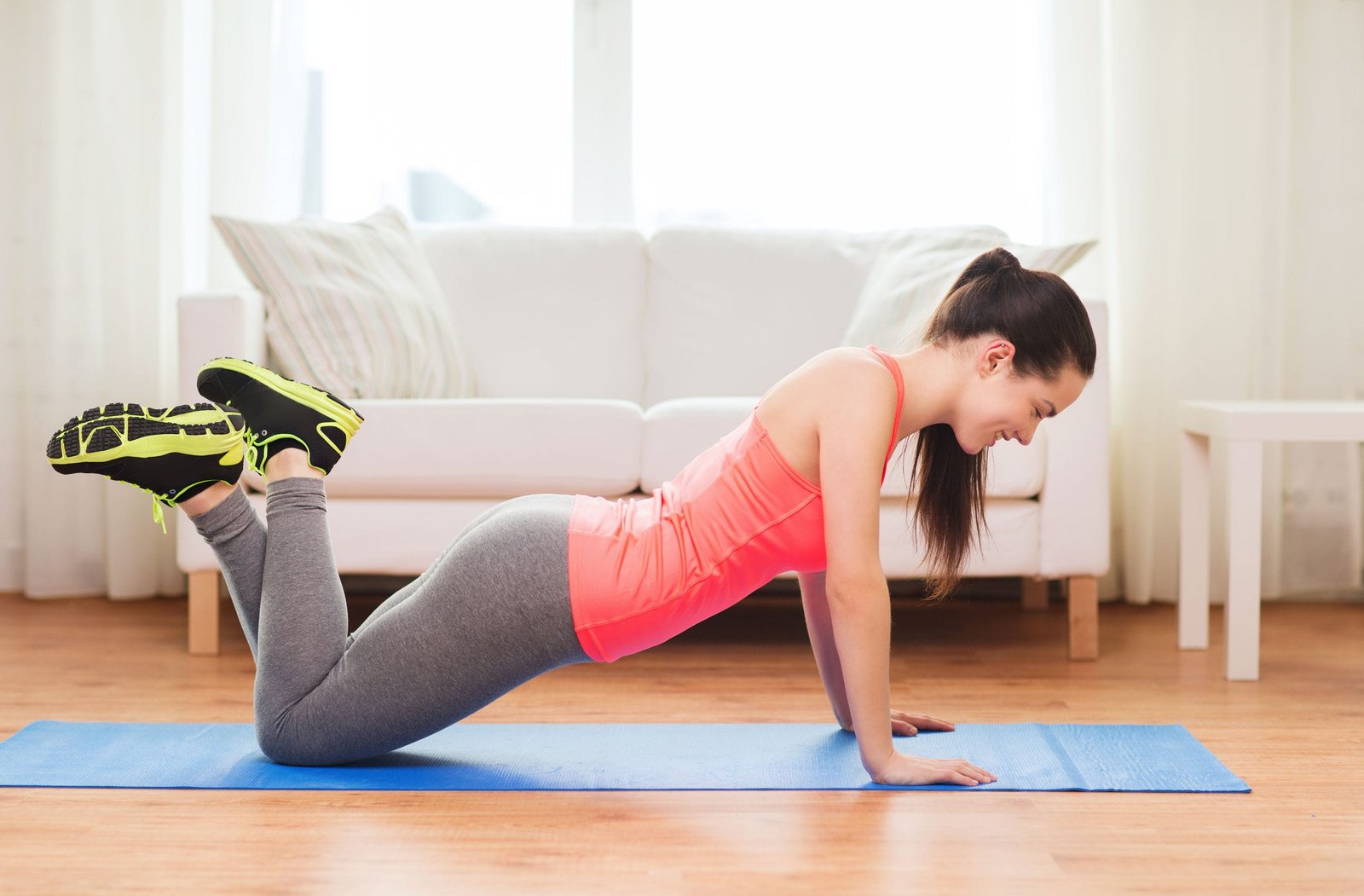
Cardio workouts are the heartbeat of any fitness routine, pumping energy into your body and boosting your health without needing a gym membership. Whether you’re dodging a hectic schedule or just prefer the comfort of your living room, at-home cardio exercises are a game-changer. I remember my first attempt at a home workout—jumping jacks in my tiny apartment, feeling like I was starring in my own Rocky montage. With no equipment and minimal space, you can still get your heart racing and calories burning. This article dives deep into the best cardio exercises to incorporate into your home workout, blending science-backed moves, personal anecdotes, and practical tips to keep you motivated.
Why Cardio Matters for Your Health
Cardio, or aerobic exercise, is any activity that gets your heart rate up and keeps it there, strengthening your heart and lungs. Regular cardio reduces the risk of chronic diseases, improves mood, and even helps you sleep better. According to the American Heart Association, adults should aim for 150–300 minutes of moderate-intensity aerobic activity per week. At home, this is easier than you think—no treadmill required
Benefits of At-Home Cardio
At-home cardio is a lifesaver for busy folks. It’s flexible, requires no commute, and lets you sweat in your pajamas if you want. Studies show it can lower blood pressure, improve cholesterol, and boost mental health, all while burning fat. Plus, you can tailor it to your fitness level, making it perfect for beginners and pros alike.
Beginner-Friendly Cardio Exercises
Starting a cardio routine at home doesn’t mean diving into burpees on day one. Beginner moves are simple, low-impact, and build confidence while getting your heart rate up. Here are some of the best exercises to ease you into a home cardio routine.
Marching in Place
Marching in place is like walking with extra pizzazz. It’s a low-impact way to warm up or sneak in cardio while watching TV. Lift your knees high, swing your arms, and keep a steady pace to elevate your heart rate. It’s perfect for beginners or anyone with joint concerns.
How to Do It
- Stand tall with feet hip-width apart.
- Lift one knee to hip height, then lower it.
- Alternate legs, swinging opposite arms like you’re power-walking.
- March for 45–60 seconds, rest for 30 seconds, repeat 3 times.
High Knees
High knees are like jogging in place with a twist. They target your legs, glutes, and core while spiking your heart rate. I used to do these during commercial breaks, pretending I was outrunning a T-Rex—it’s surprisingly motivating
How to Do It
- Stand with feet together, arms at your sides.
- Lift one knee toward your chest, then quickly switch to the other.
- Pump your arms for balance and intensity.
- Do for 30–45 seconds, rest, and repeat 3–4 times.
Butt Kicks
Butt kicks are the quirky cousin of high knees. Instead of lifting knees forward, you kick your heels back toward your glutes. It’s a fun way to warm up your hamstrings and get your blood pumping.
How to Do It
- Stand tall, feet hip-width apart.
- Kick one heel toward your butt, then switch to the other.
- Keep arms moving naturally, like you’re jogging.
- Perform for 30 seconds, rest, and repeat 3 times.
Intermediate Cardio Exercises for More Intensity
Once you’ve mastered the basics, intermediate exercises add a bit more fire to your workout. These moves challenge your endurance and coordination, perfect for stepping up your game.
Jumping Jacks
Jumping jacks are a classic that never gets old. They work your whole body, boost heart rate, and burn about 50–80 calories in just 5 minutes. I once did these during a Zoom call (camera off, of course) to stay awake—multitasking at its finest
How to Do It
- Start with feet together, arms at your sides.
- Jump, spreading legs wide and raising arms overhead.
- Jump back to the starting position.
- Do for 45 seconds, rest for 30 seconds, repeat 4 times.
Mountain Climbers
Mountain climbers are a cardio-core combo that feels like sprinting horizontally. They target your abs, shoulders, and legs while torching calories (80–100 in 5 minutes). These always leave me breathless but accomplished.
How to Do It
- Start in a plank position, hands under shoulders.
- Drive one knee toward your chest, then quickly switch legs.
- Keep your core tight and back flat.
- Perform for 30–45 seconds, rest, and repeat 3–4 times.
Squat Jumps
Squat jumps add explosive power to your routine, working your glutes, quads, and calves. They’re intense but effective for building strength and endurance. Just don’t do these under a low ceiling—I learned that the hard way.
How to Do It
- Stand with feet hip-width apart, toes slightly out.
- Squat down, then explode upward, jumping as high as you can.
- Land softly, bending knees to absorb impact.
- Do 10–15 reps, rest, and repeat 3 times.
Advanced Cardio Exercises for a Serious Burn
Ready to push your limits? Advanced cardio exercises are high-intensity, full-body moves that maximize calorie burn and endurance. These are for when you’re feeling like a fitness superhero.
Burpees
Burpees are the ultimate full-body workout, combining a squat, plank, and jump. They’re tough but burn serious calories and build strength. I once did a 10-minute burpee challenge and felt like I’d conquered Everest.
How to Do It
- Stand, then squat and place hands on the floor.
- Jump back into a plank, then return to squat position.
- Explode upward into a jump, arms overhead.
- Do 8–12 reps, rest, and repeat 3–4 times.
Frog Jumps
Frog jumps are explosive, targeting your glutes, quads, and hamstrings. They’re advanced because of the power needed, but they get your heart rate soaring. Think of yourself as a frog leaping for glory.
How to Do It
- Squat low, hands touching the floor.
- Explode upward, tapping heels together mid-air.
- Land softly, returning to a squat.
- Perform 10–15 reps, rest, and repeat 3 times.
Plyo Lunges
Plyometric lunges combine lunges with jumps for a heart-pounding workout. They build leg strength and coordination while keeping things spicy. These always make me feel like I’m training for an action movie.
How to Do It
- Start in a lunge, one leg forward, knee bent.
- Jump, switching legs mid-air to land in a lunge with the opposite leg forward.
- Keep your core engaged for balance.
- Do 10–12 reps per side, rest, and repeat 3 times.
Comparison: Beginner vs. Intermediate vs. Advanced Cardio
| Level | Exercise Examples | Intensity | Calories Burned (10 min) | Best For |
|---|---|---|---|---|
| Beginner | Marching, High Knees, Butt Kicks | Low–Moderate | 50–100 | Newbies, joint-friendly workouts |
| Intermediate | Jumping Jacks, Mountain Climbers, Squat Jumps | Moderate–High | 80–150 | Building endurance, coordination |
| Advanced | Burpees, Frog Jumps, Plyo Lunges | High | 100–200 | Strength, power, max calorie burn |
Pros and Cons of At-Home Cardio
Pros:
- No equipment needed—use your body weight.
- Flexible timing—fit workouts into your schedule.
- Cost-effective—no gym fees or commute.
- Customizable for all fitness levels.
Cons:
- Limited space can restrict some moves.
- Motivation can wane without a gym vibe.
- Advanced moves may need more practice to master.
Building Your At-Home Cardio Routine
Creating a cardio workout plan is like crafting a playlist—you want variety, flow, and a good rhythm. Here’s how to structure a 20-minute session:
- Warm-Up (5 minutes): Start with marching in place or light jumping jacks to loosen up.
- Main Circuit (12 minutes): Pick 3–4 exercises (e.g., high knees, mountain climbers, squat jumps). Do each for 45 seconds, rest for 15 seconds, and repeat the circuit 3 times.
- Cool-Down (3 minutes): Slow march or stretch to bring your heart rate down.
For variety, mix beginner, intermediate, and advanced moves as you progress. Apps like FitOn or Nike Training Club offer free guided workouts to keep things fresh.
People Also Ask (PAA)
What is the best cardio exercise to do at home?
High knees and jumping jacks are top picks for their simplicity and effectiveness. They require no equipment, burn calories fast, and suit all fitness levels. Start with these and progress to burpees for a bigger challenge.
How can I do cardio at home without equipment?
Bodyweight exercises like mountain climbers, burpees, and marching in place are perfect. They use your own weight to elevate your heart rate, and you can do them in a small space like your living room.
How long should a home cardio workout be?
Aim for 20–30 minutes, 3–5 times per week, to meet the American Heart Association’s guidelines. Even 10-minute sessions can work if you’re short on time—just crank up the intensity.
Can I lose weight with at-home cardio?
Yes! Cardio burns calories and, when paired with a balanced diet, supports weight loss. High-intensity moves like burpees or squat jumps maximize fat burn in less time.
Safety Tips for At-Home Cardio
Safety is key to avoid injuries. Always warm up to prep your muscles, and cool down to prevent dizziness. Use proper form—watch YouTube tutorials from trainers like Chloe Ting for guidance. If you have bad knees, stick to low-impact moves like marching. Consult a doctor if you’re new to exercise or have health conditions.
Where to Get More Cardio Resources
For extra inspiration, check out:
- American Heart Association (heart.org) for science-backed fitness tips.
- YouTube channels like Fitness Blender for free workout videos.
- Apps like MyFitnessPal to track calories and progress.
Best Tools for At-Home Cardio
While equipment isn’t necessary, these can enhance your workouts:
- Jump Rope ($10–20): Compact and great for high-intensity cardio.
- Resistance Bands ($15–30): Add resistance to moves like jumping jacks.
- Fitness Tracker ($50–150): Monitors heart rate and calories burned.
For budget-friendly options, check Amazon or Walmart for deals. If you prefer bodyweight only, stick to the exercises above—no gear needed!
FAQ
How often should I do cardio at home?
Aim for 3–5 sessions per week, 20–30 minutes each. Adjust intensity based on your fitness level to avoid burnout. Consistency is key for results.
Can beginners do advanced cardio exercises?
Start with beginner moves to build strength and form. Gradually try advanced exercises like burpees once you’re comfortable, using modifications if needed.
Do I need a lot of space for at-home cardio?
No! Most exercises, like high knees or mountain climbers, need minimal space. A living room or small cleared area works fine.
How do I stay motivated for home workouts?
Set small goals, like 10 minutes daily, and reward yourself. Play upbeat music or join virtual challenges on apps like Strava to stay engaged.
Can at-home cardio improve mental health?
Absolutely! Cardio releases endorphins, reducing stress and boosting mood. Regular sessions can help with anxiety and improve sleep quality.
Wrapping Up Your Home Cardio Journey
At-home cardio is like having a gym in your pocket—accessible, effective, and endlessly adaptable. From marching in place to mastering burpees, these exercises fit any lifestyle or fitness level. My own journey started with awkward high knees in my bedroom, and now I mix in frog jumps to feel like a fitness ninja. Pick a few moves, set a timer, and start small. Your heart (and maybe your mirror) will thank you. For more tips, visit heart.org or try a free workout on YouTube. Now, lace up those imaginary sneakers and get moving!