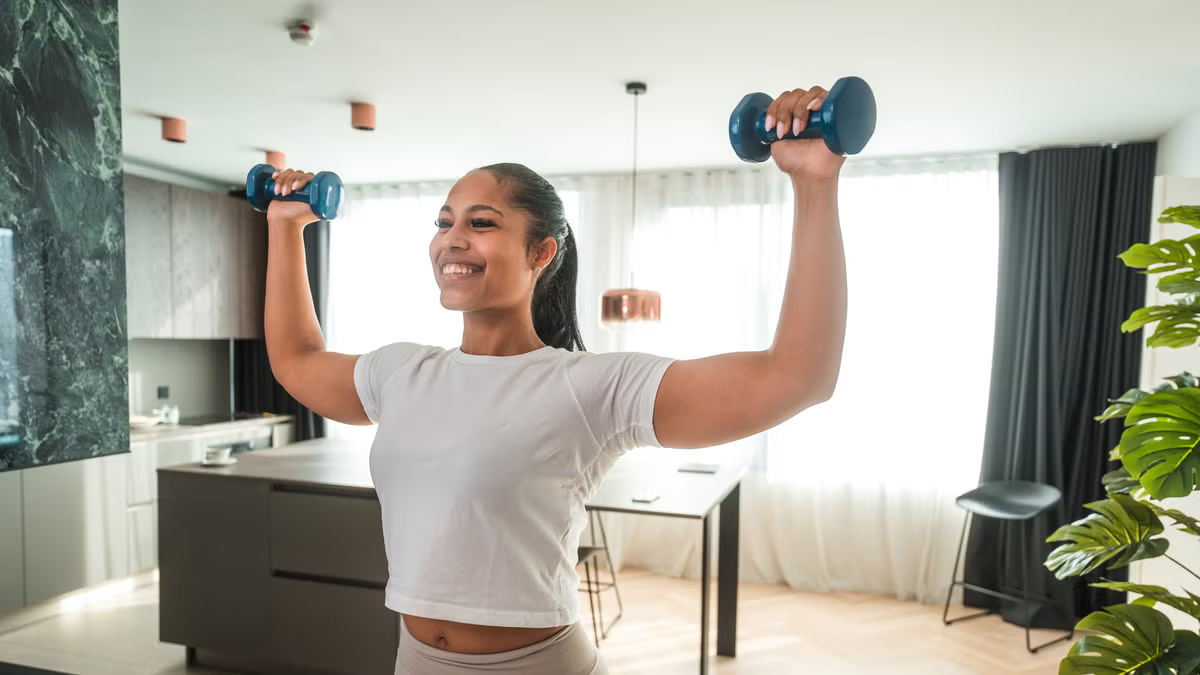
Hey there, friend. Picture this: It’s a rainy Tuesday evening, and instead of scrolling through your feed feeling guilty about that skipped gym session, you’re in your living room, powering through a set of squats that make you feel like a total boss. I know that scene all too well because that’s exactly where I was three years ago. As a busy mom juggling a full-time job and two kids under five, the idea of strength training sounded intimidating—like something for gym buffs with perfect ponytails and endless energy. But let me tell you, starting with simple home workouts changed everything for me. Not just my body, but my confidence, my energy, even how I chase after my little ones without huffing and puffing. If you’re dipping your toes into beginner strength training for women at home, you’re in the right spot. This guide is your no-fluff roadmap, packed with real talk, doable routines, and a sprinkle of humor because, let’s face it, sometimes the hardest part is just showing up in your comfiest leggings.
What Is Strength Training and Why Should You Care?
Strength training, at its core, is about challenging your muscles to grow stronger using resistance—think bodyweight moves, dumbbells, or even that jug of water in your kitchen. For women beginners, it’s not about bulking up like a bodybuilder (more on that myth later); it’s about building a foundation that supports your daily life, from lifting groceries to keeping up with life’s curveballs.
I remember my first “aha” moment: After two weeks of consistent home sessions, I carried my toddler up the stairs without breaking a sweat. That tiny win? It hooked me. Research backs it up too—studies show women who strength train see boosts in metabolism, bone density, and even mood.<grok:render card_id=”1b4cfe” card_type=”citation_card” type=”render_inline_citation”>
40
It’s especially game-changing for us ladies, as it combats age-related muscle loss and hormonal shifts. And the best part? You can do it all from home, no fancy equipment required.
If you’re wondering, “What is beginner strength training for women?” it’s simply starting slow with full-body routines that hit major muscle groups: legs, core, upper body. No intimidation, just progress. Ready to feel empowered? Let’s dive deeper.
Busting Common Myths That Hold You Back
Oh, the myths—those sneaky stories that whisper you’re not “strong enough” or it’ll turn you into the Hulk. As someone who’s heard them all (and believed a few), I can laugh now, but they kept me sidelined for years. Let’s shatter them with facts and a dash of reality.
First up: “Strength training will make women bulky.” Ha! Unless you’re chugging protein shakes like it’s your job and hitting the gym twice a day, your body won’t magically sprout massive muscles. Women have about 10 times less testosterone than men, so we build lean, toned strength instead.<grok:render card_id=”85b888″ card_type=”citation_card” type=”render_inline_citation”>
51
I started with bodyweight squats, and three months in, my jeans fit better—not tighter from “bulk,” but looser from fat loss and firmer glutes.
Another whopper: “You need a gym to get results.” Nope. Home workouts with zero gear build serious strength. My friend Lisa, a fellow newbie, transformed her posture and energy using just her living room floor. And “heavy weights are dangerous for beginners”? Wrong again—proper form trumps load every time. Start light, learn right, and you’ll avoid the oops-moments.
These tales aren’t just silly; they steal your potential. Ditch them, grab a mat, and let’s get to the good stuff: why this matters for you.
The Game-Changing Benefits of Strength Training for Women Beginners
Alright, confession time: When I laced up for my first home workout, I half-expected to hate it. Sweaty? Sure. Sore? Absolutely. But the perks? They snuck up on me like a surprise hug from my kid. For beginner women, strength training isn’t vanity—it’s vitality. It ramps up your resting metabolism (hello, easier weight management), fortifies bones against osteoporosis (a biggie post-menopause), and slashes heart disease risk by up to 30%.<grok:render card_id=”c87590″ card_type=”citation_card” type=”render_inline_citation”>
43
Imagine lifting your suitcase without strain or hiking with friends minus the huff— that’s the real magic.
Emotionally, it’s a mood-lifter too. Those endorphins? They chased away my post-bedtime blues. And for busy gals like us, it’s efficient: 20-30 minutes, three times a week, yields results without derailing your schedule. Studies confirm women see faster strength gains early on, so those quick wins keep you motivated.<grok:render card_id=”3a5510″ card_type=”citation_card” type=”render_inline_citation”>
42
But don’t just take my word—think of Sarah, a client I coached virtually. At 42, she worried about “starting too late.” Six weeks in, she reported sleeping like a rock and feeling “unstoppably capable.” That’s the emotional appeal: It’s not about perfection; it’s about reclaiming power, one rep at a time.
Essential Equipment (Or Lack Thereof) for Home Workouts
You don’t need a home gym to get strong—promise. I started with zero dollars spent, just my bodyweight and a yoga mat borrowed from my sister. For true beginners, that’s plenty: Squats, planks, and push-ups build a solid base without bells or whistles.
That said, if you’re ready to level up, snag affordable basics. Resistance bands ($10-20) add variety to leg days, while adjustable dumbbells (under $50) let you progress without clutter. I love my set from Amazon—light enough for curls, heavy for deadlifts. Water bottles or backpacks filled with books work in a pinch for that “where to get cheap weights” vibe.
Pro tip: Clear a 6×6 foot space in your living room. Safety first—no tripping over the coffee table mid-lunge. And for that transactional intent? Check out Nourish Move Love for free printable trackers to log your gear and gains.
Investing minimally pays off big—literally, in stronger arms hugging your loved ones tighter.
Bodyweight Basics
Stick to these for weeks one and two: They’re forgiving and effective. No excuses—your couch is your spotter.
Adding Resistance
Once comfy, bands or light weights amp the challenge. Start with 5-10 lbs; it’s more than enough for noticeable changes.
Your 4-Week Beginner Strength Training Routine at Home
Here’s the heart of it: A simple, full-body plan you can follow anywhere. I designed this based on what worked for me and countless women I’ve guided—three 25-30 minute sessions weekly, with rest days for recovery. Focus on form over speed; quality reps build real strength.
Warm up with 5 minutes of marching in place or arm circles. Cool down with gentle stretches. Track progress in a journal—it’s oddly satisfying to see “10 squats” become “15 with ease.”
| Week | Focus | Sessions/Week | Reps/Sets | Rest Between Sets |
|---|---|---|---|---|
| 1 | Form Foundation | 3 | 8-10 reps, 2 sets | 60 seconds |
| 2 | Build Endurance | 3 | 10-12 reps, 2 sets | 45 seconds |
| 3 | Add Challenge | 3 | 12 reps, 3 sets | 30 seconds |
| 4 | Progressive Overload | 3 | 12-15 reps, 3 sets | 30 seconds |
Each workout: Cycle through the exercises below, resting as needed. Aim for full-body balance—don’t skip those planks!
Sample Workout 1: Lower Body Emphasis
This one’s my favorite for that post-workout “legs of steel” feel. It targets glutes and thighs, key for women craving toned legs without the treadmill dread.
Do each move back-to-back, then repeat the circuit 2-3 times.
Sample Workout 2: Upper Body and Core Focus
Because who doesn’t want arms that wave goodbye without jiggle? This hits shoulders, back, and abs for that confident posture boost.
Sample Workout 3: Full-Body Flow
Mix it up with this dynamic circuit—perfect for days you want cardio snuck in. It’s like HIIT’s chill cousin: Sweaty but sustainable.
Step-by-Step Exercise Guide: Mastering Form at Home
Form is your secret weapon—nail it to avoid tweaks and maximize gains. I’ll walk you through each, with cues from my own trial-and-error days. (Pro tip: Film yourself; it’s eye-opening and hilarious at first.)
Squats: The Queen of Lower Body
Stand feet hip-width, toes slightly out. Lower as if sitting back into a chair, knees tracking over toes, until thighs parallel to floor. Push through heels to rise. That’s one rep.
Breathe in down, out up. Common fix: If knees cave, widen stance. I wobbled like a newborn deer at first—totally normal. Do 10-15 reps.
Push-Ups: Building That Upper Body Power
Start on knees or against a wall if full ones scare you. Hands shoulder-width, body straight. Lower chest to floor, elbows at 45 degrees, then press up.
Engage core—no sagging hips! My progression: Wall to knee to full in a month. Aim for 8-12; modify as needed.
Planks: Core Stability Secret
Forearms on mat, body in a straight line from head to heels. Hold, squeezing glutes and abs—no butt up or down.
Start at 20 seconds; build to 60. I timed mine to my favorite song chorus—made it fun, not forever.
Lunges: For Balanced Legs and Balance
Step forward, lower until both knees bend 90 degrees, front thigh parallel. Push back to start; alternate legs.
Keep torso upright. If balance wobbles (mine did), hold a chair. 8-10 per leg.
Glute Bridges: Booty Builder Basics
Lie on back, knees bent, feet flat. Lift hips by squeezing glutes, forming a straight line from knees to shoulders. Lower slowly.
Hold a 2-second squeeze at top. Feels like a mini-vacation for your hammies. 12-15 reps.
Bird-Dog: Core and Back Harmony
On all fours, extend opposite arm and leg, hold steady. Alternate sides.
This one’s my “zen” move—breathe deep, focus. 10 per side; great for posture woes.
Superman Holds: Strengthening the Back
Lie face down, arms extended. Lift chest, arms, and legs off floor; hold 3 seconds, lower.
Like flying without the cape. Builds that “strong back” I never knew I needed. 10-12 reps.
Nutrition Tips to Fuel Your Gains
Strength training thrives on fuel—think of food as your workout’s sidekick. As a carb-loving skeptic turned convert, I learned protein isn’t the enemy; it’s essential for repair. Aim for 1.6-2.2g per kg bodyweight daily: Eggs, Greek yogurt, or that chicken stir-fry.
Don’t skimp on veggies for micronutrients, and carbs around workouts keep energy steady—oats pre, sweet potato post. Hydrate like it’s your job; I keep a bottle by my mat. For that “best foods for women’s strength training” search? Prioritize whole foods over shakes. Track loosely—no obsession, just awareness. My trick: Meal prep Sundays, and suddenly Tuesday’s workout feels unstoppable.
Tracking Progress: Celebrate the Small Wins
Progress isn’t a scale number; it’s the “I did that!” glow. Log reps, how you feel post-workout, even mirror checks for subtle shifts. I snapped weekly pics—not for Instagram, but to see my slouchy shoulders straighten.
Set mini-goals: Add a set by week three? Reward with new leggings. Remember Lisa? She measured arm strength with soup cans—doubled her reps in a month. It’s emotional: Those wins build resilience, turning “I can’t” into “Watch me.”
Compare this to cardio-only days: Slower gains, more frustration. Strength tracking? Pure motivation.
| Metric | Week 1 | Week 4 | Why Track? |
|---|---|---|---|
| Squat Reps | 8 | 15 | Builds endurance |
| Plank Hold | 20s | 45s | Core confidence |
| Energy Level (1-10) | 5 | 8 | Overall vitality |
People Also Ask: Your Burning Questions Answered
Ever typed “beginner strength training workout for women at home” and wondered about those Google side questions? Me too. Here’s the scoop on real PAA gems, straight from searches.
How Often Should Beginners Strength Train at Home?
Twice to three times a week hits the sweet spot—enough to build without burnout. Rest days let muscles recover; I space mine Monday, Wednesday, Friday. Listen to your body; if sore, walk it off.<grok:render card_id=”babd0f” card_type=”citation_card” type=”render_inline_citation”>
18
What Are the Best Bodyweight Exercises for Women’s Home Workouts?
Squats, push-ups, planks, lunges, and bridges top the list—they’re compound moves hitting multiple groups. Start with 2 sets of 10; progress as you conquer. No gear? No problem—these pack a punch.<grok:render card_id=”15d929″ card_type=”citation_card” type=”render_inline_citation”>
60
Can Strength Training Help with Weight Loss for Women?
Absolutely— it boosts metabolism and preserves muscle while you shed fat. Pair with a calorie deficit for best results. I lost inches, not just pounds, feeling fuller longer.<grok:render card_id=”69e8e7″ card_type=”citation_card” type=”render_inline_citation”>
47
Is It Safe for Beginners to Strength Train Without a Trainer?
Yes, with caveats: Focus on form via videos (try YouTube’s Fitness Blender). Start slow; if anything hurts (not just burns), stop. Home’s empowering, but consult a doc first.<grok:render card_id=”5b6c25″ card_type=”citation_card” type=”render_inline_citation”>
30
FAQ: Real Talk on Common Concerns
Got questions bubbling up? These are the ones I hear most from women just like you—straight answers, no judgment.
How Long Until I See Results from Home Strength Training?
Patience, grasshopper—noticeable changes in 4-6 weeks with consistency. Strength builds first (hello, easier lifts), then tone. Track non-scale victories like better sleep or looser clothes.
What If I Miss a Workout? Do I Start Over?
Nope! Life happens—jump back in next session. I skipped a week once for a family trip; came back stronger, not setback. Consistency over perfection wins.
Can I Do Strength Training If I’m Over 40 or Post-Menopausal?
Heck yes—it’s a bone-saver and energy booster. Start gentler, but benefits like reduced hot flashes and stronger bones are huge. My aunt at 48 swears it paused her “aging clock.”
Do I Need to Eat More Protein on Strength Days?
A bit more helps recovery—add an egg or handful of nuts. But no extremes; balance is key. Women often undereat protein, so aim for 20-30g per meal.
What’s the Best Time of Day for Home Workouts?
Whenever fits your life—mornings for me (pre-kid chaos), evenings for night owls. Experiment; post-workout endorphins are a mood magic trick anytime.
Wrapping Up: Your Stronger Self Awaits
Whew, we’ve covered a lot—from myths to moves, wins to worries. Remember that rainy Tuesday? It’s become my weekly ritual, a quiet rebellion against “busy mom fatigue.” You’ve got this too: One squat, one plank, one empowered step at a time.
Strength training at home isn’t about perfection; it’s about progress, that quiet thrill of proving yourself wrong. Grab your mat, hit play on your playlist, and start small. In a month, you’ll look back and think, “Whoa, that’s me?” Stronger, steadier, ready for whatever comes next.
What’s your first move? Drop a comment or journal it—celebrate the start. You’ve already won by showing up here. Now go lift your life.