Hey there, lifter. Picture this: It’s a rainy Tuesday in my mid-20s, and I’m staring at a rusty barbell in my garage gym, wondering if deadlifting 225 pounds makes me a beast or just a guy who needs better lighting. That was me, fresh out of college, dipping my toes into strength sports. Fast forward a decade, and I’ve chased PRs on the platform and flexed under stage lights—sometimes in the same year. If you’re torn between powerlifting’s raw grit and bodybuilding’s sculpted glory, you’re in good company. These two worlds overlap like peanut butter and jelly, but they’re worlds apart in focus. Let’s unpack what sets them apart, why one might light your fire, and how to pick your poison without burning out.
What Is Powerlifting?
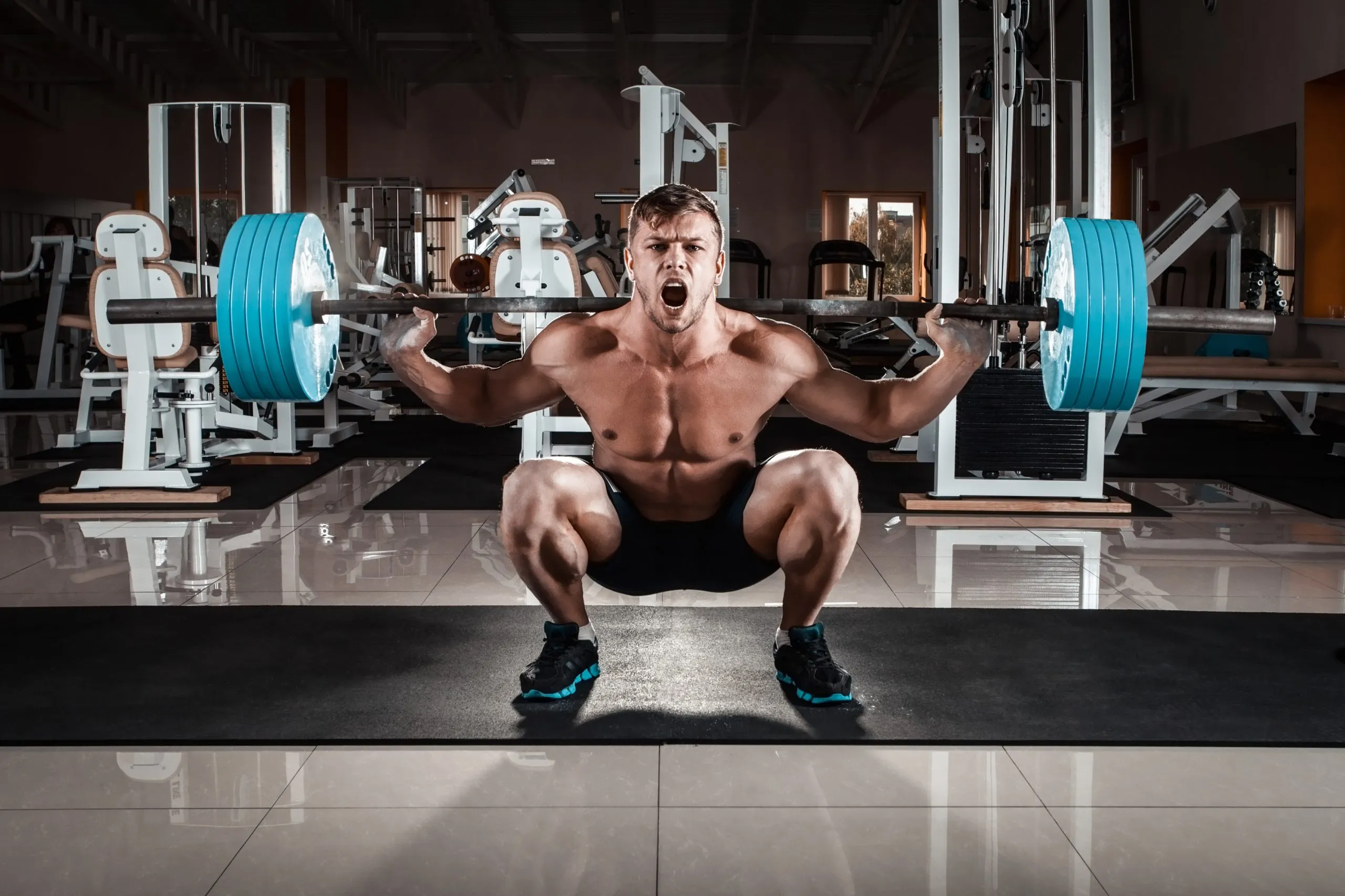
Powerlifting boils down to one brutal truth: lift heavy, lift often, lift smart. It’s a competitive sport where you square off against gravity in three lifts—the squat, bench press, and deadlift—aiming to hoist the max weight possible across one rep max attempts. No frills, no posing; just you, the bar, and a crowd holding its breath.
I’ve felt that electric hum in local meets, chalk dust in the air, as lifters grind through their openers. It’s not about looking pretty—it’s about that primal rush when the bar leaves the floor. Beginners often start here because the rules are straightforward: get stronger, period.
What Is Bodybuilding?
Bodybuilding? That’s the art of turning your body into a living statue. Competitors hit the stage oiled up, hitting poses that showcase every striation and curve, judged on symmetry, proportion, and sheer muscularity. Training revolves around hypertrophy—building muscle size through volume, isolation moves, and a laser focus on aesthetics.
I remember my first show prep: endless sets of cable flies, mirror checks every session, and a diet that had me dreaming of pizza. It’s addictive, that slow reveal of definition, but man, it tests your soul. For many, it’s less a sport and more a lifestyle, chasing the pump that makes you feel unbreakable.
Key Differences Between Powerlifting and Bodybuilding
At their core, powerlifting chases function—how much can you move?—while bodybuilding hunts form—how damn good do you look? Training styles clash like thunder: powerlifters grind low reps with ego-shattering loads, bodybuilders chase the burn with higher volume. Nutrition? One’s a feast for strength, the other’s a scalpel for shreds.
These aren’t just hobbies; they’re philosophies. Powerlifting builds unbreakable will; bodybuilding sculpts confidence that turns heads. I once powerlifted through winter, ballooning to 200 pounds, then switched to bodybuilding and carved it down to a ripped 170. The whiplash? Eye-opening.
Training Focus and Rep Ranges
Powerlifters live in the 1-5 rep sweet spot, where neural drive reigns supreme. Sessions build around the big three, with accessories plugging weaknesses—like paused benches for a lagging lockout.
Bodybuilders? They’re in 8-15 rep territory, milking time under tension for growth. It’s less about the bar’s weight and more about the mind-muscle link, squeezing every fiber.
Competition Structure
Powerlifting meets are math problems: three attempts per lift, best total wins your class. Weight cuts happen, but they’re tactical, not transformative.
Bodybuilding stages are theater—mandatory poses, free-flow routines, judges eyeballing V-tapers and quads that pop. Divisions like bikini or classic physique let everyone shine, but prep peaks in a shredded reveal.
Nutrition and Dieting Approaches
Powerlifters eat to fuel: surplus calories, protein-packed, carbs for the grind. Bulking is king, with occasional cuts for weigh-ins.
Bodybuilders cycle like pros—bulk to build, cut to reveal. Macros get dissected: high protein, timed carbs, fats on the back burner. Contest prep? It’s a hunger game, dropping to single-digit body fat.
Pros and Cons of Powerlifting
Powerlifting hooked me early with its no-BS progress tracking. That said, it’s not all glory—joints creak under the load, and aesthetics can take a backseat.
Pros of Powerlifting
- Raw Strength Gains: You’ll deadlift your couch one day—functional power that spills into life.
- Clear Metrics: PRs don’t lie; every plate added feels like a win.
- Community Vibe: Meets foster that “we’re all in this” bond, like a gritty family reunion.
Cons of Powerlifting
- Injury Risk: Heavy singles flirt with tweaks; form slips, and you’re sidelined.
- Aesthetic Oversight: You might lift like a god but look like a dad bod champ.
- Plateau Pressure: Strength stalls hit hard, testing your grit.
Pros and Cons of Bodybuilding
Bodybuilding gave me mirrors I couldn’t avoid—and a physique that turned “excuse me” into “nice work.” But the mental toll? It’s a beast.
Pros of Bodybuilding
- Aesthetic Mastery: Walk out feeling like Michelangelo’s David, confidence skyrocketing.
- Health Perks: Cardio integration boosts heart health; balanced training hits every angle.
- Versatile Fun: Endless exercises keep boredom at bay—today flies, tomorrow dropsets.
Cons of Bodybuilding
- Diet Drama: Cutting phases suck the joy from food; hanger is real.
- Subjective Stress: Judges’ eyes are fickle—one off day, and poof, placing slips.
- Time Sink: Volume adds up; sessions stretch into marathons.
Comparison Table: Powerlifting vs. Bodybuilding
| Aspect | Powerlifting | Bodybuilding |
|---|---|---|
| Primary Goal | Maximal strength in 3 lifts | Muscular hypertrophy & aesthetics |
| Rep Ranges | 1-5 reps, heavy loads | 8-15 reps, moderate weights |
| Key Exercises | Squat, bench, deadlift + accessories | Isolation + compounds for balance |
| Nutrition Focus | Caloric surplus for power | Bulking/cutting cycles |
| Competition | Total weight lifted | Posing, symmetry judging |
| Physique Outcome | Functional bulk | Shredded, proportional |
| Beginner Friendliness | High—simple progression | Moderate—technique variety |
This table’s my cheat sheet from years of flipping between styles. Spot the fit for you?
Hybrid Training: Powerbuilding for the Win?
Ever heard of powerbuilding? It’s the lovechild—strength days laced with hypertrophy flair. I ran a 12-week block once: heavy squats Monday, volume curls Wednesday. Strength jumped 20 pounds, arms popped two inches. Pros? Balanced gains without extremes. Cons? Scheduling’s a puzzle; pick one focus or risk mediocrity.
If you’re like me—wanting to lift big and look sharp—start with compounds, finish with pumps. Programs like 5/3/1 BBB blend it seamlessly.
People Also Ask: Common Questions on Powerlifting vs. Bodybuilding
Google’s got the pulse—here’s what folks are typing in, straight from the search ether.
Which Builds More Muscle: Powerlifting or Bodybuilding?
Bodybuilding edges it for pure size, thanks to volume overload. But powerlifting’s heavy compounds pack on slabs too—think Ed Coan, jacked from deads alone.<grok:render card_id=”e595e8″ card_type=”citation_card” type=”render_inline_citation”>
0
Hybrid wins if you’re smart.
Is Powerlifting Harder Than Bodybuilding?
Tough call—powerlifting’s neural grind feels brutal, bodybuilding’s the mental marathon of prep. I vote bodybuilding; starving for symmetry? Soul-crushing.<grok:render card_id=”70297e” card_type=”citation_card” type=”render_inline_citation”>
20
Can Beginners Do Powerlifting or Bodybuilding?
Absolutely—start simple. Powerlifting: nail form first. Bodybuilding: learn the pump. Both build habits that last.<grok:render card_id=”e5695c” card_type=”citation_card” type=”render_inline_citation”>
21
Powerlifting vs. Bodybuilding for Fat Loss?
Bodybuilding shines with cardio and cuts, torching fat for definition. Powerlifting? Strength first, leanness second—but surplus eating can bulk you up.<grok:render card_id=”85cdf8″ card_type=”citation_card” type=”render_inline_citation”>
23
Best Beginner Programs and Where to Get Them
Newbie? Don’t wing it—structured plans prevent plateaus and tears (the bad kind).
Top Powerlifting Programs for Beginners
- Starting Strength: Linear progression gold—squat every session, add weight weekly. Grab it free at startingstrength.com.<grok:render card_id=”4fe5cf” card_type=”citation_card” type=”render_inline_citation”>
34
- StrongLifts 5×5: App-based simplicity, twice-weekly full-body. Download via stronglifts.com.
- Candito Linear Program: Free spreadsheet for controlled ramps—ideal for garage warriors.<grok:render card_id=”e9ae96″ card_type=”citation_card” type=”render_inline_citation”>
32
Best Tools and Supplements for Bodybuilding
Gear up right—tools amplify, supps support.
- Essentials: Adjustable bench, cables for isolations—check Rogue Fitness for durable kits.
- Supplements: Creatine monohydrate (5g daily) for pumps, whey protein for recovery. Top picks: Optimum Nutrition Gold Standard or MuscleTech Platinum.<grok:render card_id=”1063b3″ card_type=”citation_card” type=”render_inline_citation”>
45
BCAAs if you’re fasting—science-backed basics.
For transactional vibes, hit local gyms or Bodybuilding.com for bundles. Start small; consistency trumps fancy.
FAQ: Your Burning Questions Answered
Got queries? I’ve fielded these in chats, forums, even over post-workout shakes.
What’s the Biggest Mistake New Powerlifters Make?
Rushing maxes without form—I’ve seen knees cave on squats, leading to months off. Cue every rep, film yourself. Strength’s a marathon.<grok:render card_id=”1caf2d” card_type=”citation_card” type=”render_inline_citation”>
31
How Do I Balance Bodybuilding with a Busy Schedule?
Split it smart: PPL six days, or upper/lower four. Prioritize sleep—gains happen there, not just iron. I juggled a desk job with 45-minute sessions; quality over quantity.<grok:render card_id=”652ca6″ card_type=”citation_card” type=”render_inline_citation”>
40
Can Women Excel in Either?
Hell yes—powerlifting builds bone density, bodybuilding empowers curves. Shoutout to Becca Swanson, deadlifting 694 raw, or Ashley Kaltwasser, bikini queen.<grok:render card_id=”19c7e3″ card_type=”citation_card” type=”render_inline_citation”>
23
Powerlifting or Bodybuilding for Overall Health?
Both boost metabolism, mood, longevity. Mix ’em for the win—strong and sculpted. Consult a doc first, especially joints.<grok:render card_id=”88824c” card_type=”citation_card” type=”render_inline_citation”>
2
How Long Until I See Results?
Three months for noticeable changes, six for transformations. Track progress pics, not just scales—patience pays dividends.
Wrapping this up, remember my garage days? Turns out, the barbell doesn’t care if you’re chasing tons or tans—it just waits for you to grab it. Whether powerlifting’s thunder or bodybuilding’s polish calls, dive in. You’ve got the blueprint; now build your legend. What’s your first move? Drop a comment—let’s chat lifts.