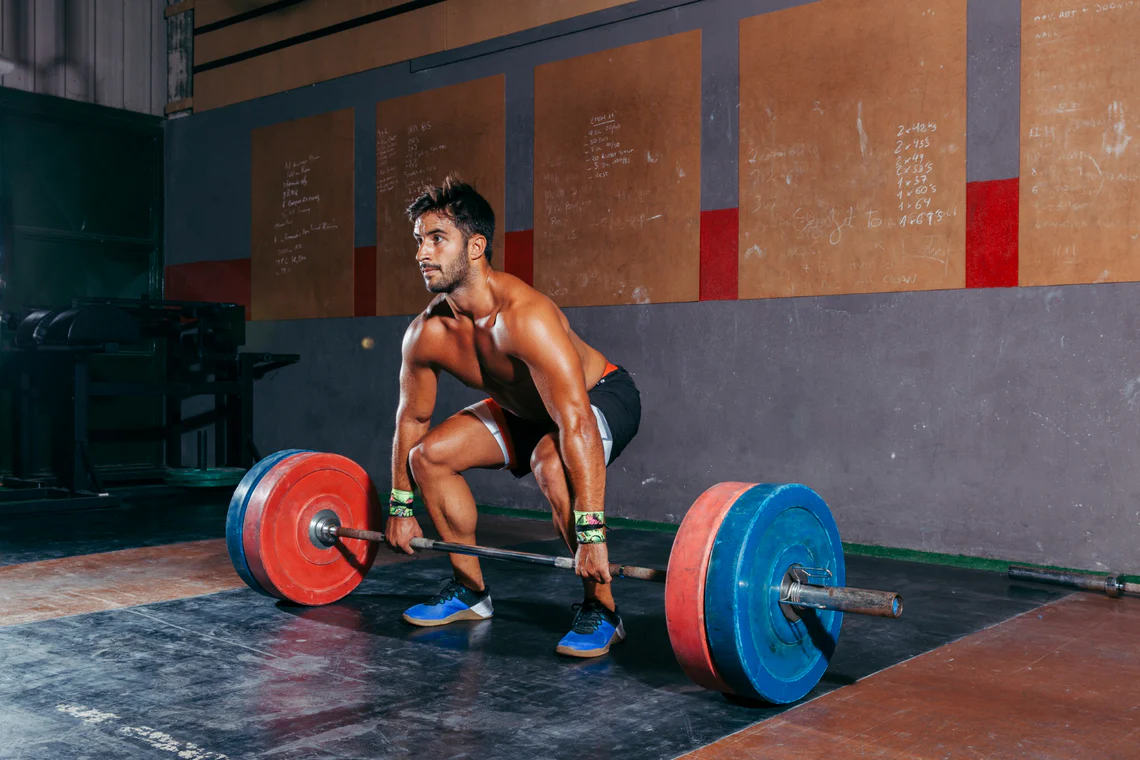
Hey there, friend. Picture this: It’s a rainy Tuesday evening in 2012, and I’m staring at a rusty barbell in my garage, feeling like the world’s weakest superhero. I’d just quit my dead-end office job, and lifting felt like the only thing that made sense anymore. Fast forward a decade, and that same garage has hosted my first meet where I bombed the squat but nailed a deadlift PR that still makes me grin. Powerlifting isn’t just about stacking plates—it’s about showing up for yourself, day after sweaty day. If you’re here, maybe you’re itching to try it too. Let’s dive in, no fluff, just real talk from someone who’s been humbled and hooked by the iron.
What Is Powerlifting?
Powerlifting boils down to three lifts that test your raw grit: the squat, bench press, and deadlift. You get one shot per attempt to hoist as much weight as possible, and your total across the best of three tries in each decides if you’re celebrating or recalibrating. It’s not the flashy flips of Olympic lifting; it’s methodical, brutal, and deeply satisfying. I remember my first deadlift—felt like wrestling a tractor, but that click of progress? Pure magic.
Born in the 1960s from bodybuilding’s “odd lifts,” powerlifting exploded as rebels ditched posing for pure strength.<grok:render card_id=”fc3538″ card_type=”citation_card” type=”render_inline_citation”>
0
Today, federations like USAPL and IPF keep it structured, with divisions for raw (minimal gear) or equipped (suits that add bounce). Whether you’re chasing a 500-pound squat or just want to feel unbreakable, this sport rewires how you move through life.
History of Powerlifting
Powerlifting kicked off when weightlifters got tired of judging aesthetics and craved cold, hard numbers. In the UK and US, gym rats formalized the squat, bench, and deadlift in the ’60s, ditching Olympic presses for something anyone could grind out. By the ’70s, meets were popping up worldwide, with icons like Ed Coan setting totals that still whisper legends.
Think of it as the punk rock of strength sports—raw, unpolished, and fiercely inclusive. Women joined the fray in the ’80s, shattering ceilings alongside men. I’ve pored over old meet footage, chuckling at the mustaches and mullets, but it’s the unyielding spirit that sticks. From garage heroes to pro stages, powerlifting’s story is yours to join, one rep at a time.
The Big Three Lifts
These aren’t just exercises; they’re your proving ground. Master them, and everything else falls into place. Start light, film yourself, and chase form over ego—trust me, that ego bruise heals faster than a tweaked back.
Squat
The squat is your lower body’s boss move, firing quads, glutes, and core like a well-oiled engine. Bar on your traps, descend till hips kiss parallel, then explode up. My first deep squat felt like betrayal by gravity, but tweaking my stance turned it into a superpower.
Aim for 3-5 sets of 3-5 reps at 70-85% of your max, twice weekly. Variations like box squats build control—great for beginners dodging knee drama. Pros: Builds explosive power. Cons: Form slips can wreck hips. Cue: “Spread the floor” with your feet.
Bench Press
Ah, the bench—upper body’s humble brag. Lie back, bar to chest, press to lockout. It’s triceps and pecs leading the charge, with delts as backup singers. I bombed my first meet opener here, too pumped from nerves, but breathing deep fixed that rookie mistake.
Hit it 2-3 times a week with paused reps for that sticky-off-the-chest strength. Close-grip variations torch triceps. Pros: Boosts pushing power for daily life. Cons: Shoulder strain if arched wrong. Tip: Tuck elbows at 45 degrees, not flared like chicken wings.
Deadlift
The deadlift? It’s the full-body freight train—pull from the floor to hips, engaging everything from hamstrings to grip. Conventional or sumo, it’s about hinging at hips, not squatting the bar. My garage PR came on a sumo pull; wider stance hid my long legs’ leverage woes.
Train once weekly to avoid burnout, mixing conventional and deficit pulls. Pros: Hammers posterior chain for posture perks. Cons: Grip fails first—use straps wisely. Secret: “Crush the bar” to engage lats early.
Getting Started as a Beginner
Dipping your toes? Awesome. I started with a broomstick and YouTube, but a coach sped things up tenfold. Focus on consistency over intensity—three sessions a week, sleeping like it’s your job, and eating like fuel matters.
Build a base with linear programs; add weight weekly till stalls hit. Warm up dynamically—leg swings, not static stretches. Common pitfall: Skipping mobility. My ankles were bricks till yoga snuck in. Track everything in a notebook; numbers don’t lie, but feelings do.
Beginner Program Comparison
| Program | Frequency | Focus | Best For | Drawbacks |
|---|---|---|---|---|
| Starting Strength | 3x/week | Linear progression | Novices building base | Plateaus fast for intermediates |
| 5/3/1 | 4x/week | Slow, steady gains | Long-term strength | Less hypertrophy |
| nSuns | 5-6x/week | High volume | Quick PRs<grok:render card_id=”6aec07″ card_type=”citation_card” type=”render_inline_citation”> | |
| 22 | ||||
| Demands recovery |
Pick one, stick six months, adjust. I thrived on Starting Strength’s simplicity—squat every day felt nuts, but gains didn’t lie.
Building Your Training Program
Programs aren’t one-size-fits-all; they’re roadmaps you tweak. Periodize: Accumulate volume, intensify for peaks, deload to recharge. I ignored deloads once—ended up sidelined with shin splints. Lesson learned.
Incorporate accessories: Rows for back health, core work to brace like a beast. Track RPE (rate of perceived exertion) over strict percentages—listen to your body. Hybrid powerbuilding? Toss in hypertrophy sets for that fuller look without ditching strength.
Nutrition for Powerlifters
Fuel isn’t optional; it’s your secret weapon. Aim 1.6-2.2g protein per kg bodyweight, carbs for energy (4-7g/kg), fats at 20-30% calories.<grok:render card_id=”ae1f73″ card_type=”citation_card” type=”render_inline_citation”>
30
I bulked sloppy early on, ballooning 20 pounds—now I cycle surplus/deficit smarter.
Meal prep Sundays: Oats with eggs breakfast, chicken rice bowls lunch, steak sweet potatoes dinner. Hydrate like a fish—dehydration tanks lifts. Supplements? Creatine (5g daily) and caffeine pre-workout. Track via MyFitnessPal; adjust if scale stalls.
Pros and Cons of Bulking vs. Cutting
- Bulking Pros: Faster strength gains, easier recovery. Cons: Fat creep, motivation dips.
- Cutting Pros: Leaner look, discipline boost. Cons: Energy crashes, stalled lifts.
Hybrid approach: Slow bulk 0.5-1lb/month, cut pre-meet. My best total? During a controlled surplus—felt unstoppable.
Essential Equipment for Powerlifters
Gear isn’t cheating; it’s smart support. Start minimal: Belt for bracing, sleeves for warmth, chalk for grip. I splurged on a $100 belt—game-changer for heavy squats.
Where to buy? Rogue Fitness for racks, Inzer for belts.<grok:render card_id=”602575″ card_type=”citation_card” type=”render_inline_citation”>
63
Raw? Skip suits. Equipped? Multi-ply adds 50-100lbs, but learn raw first. Budget tip: Facebook Marketplace for used plates.
- Must-Haves: Power rack, Olympic bar, bumper plates.
- Nice-to-Haves: Lifting straps, knee wraps.
- Avoid: Fancy apps till basics click.
Injury Prevention and Recovery
Powerlifting’s tough love, but smart prep keeps you lifting. Warm with 10 minutes cardio, mobilize joints. I iced my ego more than knees—prehab over rehab.
Recovery hacks: Sleep 7-9 hours, foam roll daily, active rest walks. Signs of overtraining? Irritability, stalled lifts—deload pronto. Therapy? Massage monthly; myofascial release saved my IT band.
Humor break: Ever foam roll your quads? It’s like hugging a porcupine—painful but necessary.
Preparing for Your First Meet
Meets are electric chaos—chalk dust, cheers, that pre-lift butterflies swarm. Pick a local USAPL event via OpenPowerlifting.org.<grok:render card_id=”24d6b2″ card_type=”citation_card” type=”render_inline_citation”>
74
Weigh in 2 hours prior, strategize openers (90% max).
Day-of: Eat light carbs, warm thoroughly. Nerves? Breathe box-style: In 4, hold 4, out 4. My first? Red-lighted squat two, but deadlift redemption roared. Every lifter’s bombed—it’s the comeback that counts.
Advanced Training Techniques
Once intermediate, wave loads and clusters amp intensity. I added AMRAP sets—last rep’s a battle, but PRs follow. Deload every 4-6 weeks; ignore it, and burnout bites.
Variety: Rotate stances, pause benches. Track via apps like Boostcamp. Pro tip: Partner up—spotters double as therapists.
Powerlifting for Women
Ladies, this sport’s for you—builds curves where you want ’em, confidence everywhere. Becca Swanson’s 600lb bench? Iconic.<grok:render card_id=”ac56c0″ card_type=”citation_card” type=”render_inline_citation”>
83
Hormones? Cycle training around your moon—lift heavy follicular, recover luteal.
Community’s welcoming; my female training buddies crushed totals while crushing stereotypes. Start same as gents, scale volume if needed. Gains: Stronger bones, mood lift, that “I did that” glow.
People Also Ask
How strong are you really in powerlifting?
Standards vary by bodyweight—elite males squat 2x BW, females 1.5x.<grok:render card_id=”d016ab” card_type=”citation_card” type=”render_inline_citation”>
75
Intermediate? 1.5x BW squat. Use Symmetric Strength calculator for your benchmark. My “strong” shifted from 225 squat to 315—context is king.
How does the body benefit from powerlifting?
Beyond muscle, it amps bone density, torches stress, boosts metabolism.<grok:render card_id=”199733″ card_type=”citation_card” type=”render_inline_citation”>
76
That post-lift endorphin rush? Better than therapy some days. Long-term: Fends osteoporosis, sharpens mental resilience.
What are common powerlifting questions?
Divisions? Age/weight classes. Gear? Raw vs. equipped. My first: “Do I need a coach?” Yes—for form, sanity.
FAQ
What’s a good beginner powerlifting program?
Starting Strength: 3x/week, add 5lbs per session.<grok:render card_id=”c4455b” card_type=”citation_card” type=”render_inline_citation”>
55
Squat 3×5, bench 3×5, deadlift 1×5. Track progress; deload at stalls. I gained 50lbs total first year—slow and steady crushes.
How often should beginners train powerlifting?
3-4 days/week, full body or upper/lower split. Rest days rebuild—don’t fear them. Overdo it? Burnout city. My rule: Train hard, recover harder.
Do I need supplements for powerlifting?
Basics: Creatine for strength, protein if meals lag. Whole foods first—steak over shakes. I skipped fancy stacks; consistency trumped pills.
How to avoid injury in powerlifting?
Form first, progress slow, warm thoroughly. Strengthen weak links—rows for shoulders. Listen to pain; it’s not weakness, it’s wisdom. PT early fixed my wrist woes.
Can powerlifting help with weight loss?
Indirectly—builds muscle, spikes metabolism. Pair with calorie deficit; I dropped 15lbs cutting for a meet without losing lifts. Sustainable over crash diets.
Whew, we’ve covered the grind, the glory, the grit. Powerlifting taught me patience amid chaos, strength beyond the bar. What’s your first step? Grab that empty bar, film a set, join a gym crew. You’ve got this—now go lift something ridiculous. Drop a comment; I’d love hearing your story.