Hey there, if you’re reading this, you’re probably staring at your reflection in the mirror, wondering if those skinny jeans from college will ever fit again—or maybe you’re just tired of feeling like a wobbly chair every time you chase after the bus. I get it. Back when I first dipped my toes into strength training, I was a 28-year-old desk jockey with arms that could barely lift a laptop bag without a coffee break. Picture this: me, in a crowded gym, attempting a squat that looked more like a dramatic sit-down protest. Spoiler—I survived, and so will you. Strength training isn’t about turning into a bodybuilder overnight; it’s about reclaiming the power in your own body, one awkward rep at a time. And trust me, after years of trial, error, and a few hilarious face-plants, I’ve got the roadmap to make it fun, effective, and—dare I say—life-changing.
Let’s kick things off with why you should even bother. Strength training for beginners isn’t just a fad; it’s the secret sauce to feeling like you could conquer the world (or at least the grocery store without huffing). According to experts from places like the Mayo Clinic and the New York Times<grok:render card_id=”a69b24″ card_type=”citation_card” type=”render_inline_citation”>
5
<grok:render card_id=”4171cd” card_type=”citation_card” type=”render_inline_citation”>
1
, it boosts your metabolism, sharpens your brain, wards off that sneaky age-related muscle loss, and even slashes your risk of chronic stuff like diabetes. Imagine carrying your kids (or grandkids) without turning into a sweaty mess, or hiking that trail you’ve been eyeing without plotting to fake a twisted ankle. That’s the magic. But here’s the real kicker: it builds confidence that radiates into every corner of your life. I remember the day I deadlifted my body weight for the first time—felt like I’d just won an Oscar. You ready to script your own victory speech?
Why Strength Training Matters for Newbies
Diving into weights when you’re green can feel like learning to drive in a blizzard—scary, but oh-so-rewarding once you hit the open road. For beginners, strength exercises aren’t about maxing out; they’re about laying a rock-solid foundation that prevents injuries and sets you up for those “wow, I did that?” moments. Think improved posture (bye, slouchy shoulders from endless Zoom calls), better sleep, and even a mood lift that rivals your favorite playlist.
The beauty? You don’t need a fancy gym membership or a personal army of trainers. Start with bodyweight or a pair of dumbbells from Amazon—under $20, folks—and you’re golden. Studies from the British Journal of Sports Medicine back this up: just 30-60 minutes a week can cut your mortality risk by 10-20%<grok:render card_id=”7020a4″ card_type=”citation_card” type=”render_inline_citation”>
35
. That’s not fluff; that’s science saying, “Get lifting, human.” And if you’re chuckling at the thought of your cat judging your form, lean into it—laughter is the best spotter.
Getting Started: Your Beginner Blueprint
Before we unleash the beast on those 12 exercises, let’s chat setup. As a newbie myself once upon a time, I wish someone had handed me this cheat sheet. First, warm up—five minutes of marching in place or arm circles to wake up those sleepy muscles. Aim for two to three sessions a week, 20-30 minutes each, with rest days to let your body high-five itself. Track progress in a notes app; nothing beats seeing “Week 1: 5 push-ups” evolve to “Week 4: 15 like a boss.”
Gear-wise, bodyweight rules for zero-cost entry. But if you’re splurging, grab adjustable dumbbells or resistance bands—versatile and joint-friendly. Pro tip: film yourself for form checks; my early videos were comedy gold, but they saved my back. And breathe—exhale on effort, like blowing out birthday candles mid-lift. Now, let’s roll up our sleeves.
The Fab 12: Essential Strength Builders
These aren’t random picks; they’re the gold-standard moves pulled from powerhouses like Nerd Fitness and SELF magazine<grok:render card_id=”c55b95″ card_type=”citation_card” type=”render_inline_citation”>
4
<grok:render card_id=”d5aa3f” card_type=”citation_card” type=”render_inline_citation”>
0
, targeting every major muscle group without overwhelming your schedule. We’ll break ’em down with how-tos, why-they-rock, and tweaks for your level. Do 2-3 sets of 8-12 reps each, resting 60 seconds between. Modify as needed—progress is personal, not a race.
1. Bodyweight Squats
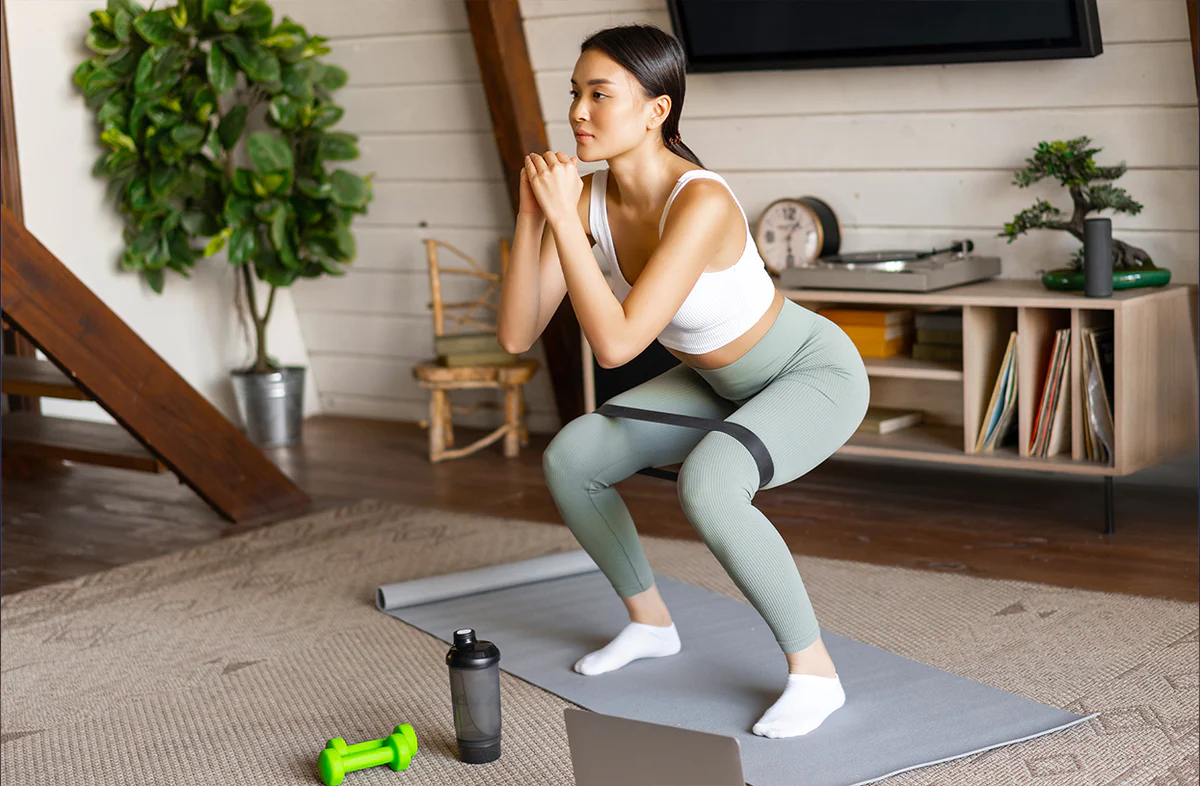
Squats are the MVP of lower-body strength, firing up your quads, glutes, and hamstrings like a well-oiled engine. Stand feet shoulder-width, toes slightly out, and lower as if sitting back into an invisible chair until thighs are parallel to the floor. Drive through heels to stand, squeezing your glutes at the top. Why love ’em? They mimic daily moves like sitting or picking up laundry, building functional power that keeps you agile into your golden years.
I botched my first set by wobbling like a newborn foal, but after a week, stairs became a breeze. For ease, hold onto a chair; amp it with dumbbells at your chest.
2. Push-Ups (Modified if Needed)
Ah, push-ups—the ultimate upper-body ego check and builder. From plank position, hands wider than shoulders, lower your chest to the floor by bending elbows, then push back up. Keep your body straight—no sagging hips or sky-high butt. They hammer chest, shoulders, triceps, and core, turning you into a pushing pro for everything from grocery bags to playground shenanigans.
My arms jiggled like Jell-O at first, but dropping to knees turned humiliation into triumph. Scale up to full planks as you boss it. Feeling cheeky? Try clapping variations for fun.
3. Glute Bridges
This sneaky gem targets your backside and lower back without the drama of deadlifts. Lie on your back, knees bent, feet flat. Lift hips toward the ceiling, squeezing glutes hard at the top, then lower slowly. It’s a core engager too, stabilizing your spine like a built-in corset.
Post-kids, this revived my posterior after months of “mom butt.” Add a pause at the top for extra burn, or single-leg it for a challenge. Who knew lying down could feel so productive?
4. Planks
Planks aren’t flashy, but they’re the silent guardian of core strength. Forearms on the ground, body in a straight line from head to heels, hold like a superhero bracing for impact. Engage everything—abs, back, even shoulders—to fight the shake.
I once held a 20-second plank and called it victory; now it’s two minutes while plotting dinner. Start on knees if full form’s a stretch. Bonus: killer for posture and that “I woke up like this” flat tummy vibe.
5. Lunges (Forward or Reverse)
Lunges add that single-leg spice, balancing strength while torching quads, glutes, and calves. Step forward with one foot, lowering until both knees hit 90 degrees, then push back to start. Reverse version’s kinder on knees—step back instead.
Tripping over my own feet was my intro; now I lunge down grocery aisles (mentally). Hold walls for support, or add dumbbells for progression. They fix imbalances, so no more one strong leg carrying the team.
6. Dumbbell Rows
Pulling power for your back? Rows deliver. Hinge at hips, one hand on a bench, dumbbell in the other—pull elbow back like starting a lawnmower, squeezing shoulder blades. Builds that V-shape while shielding against slouchy desk life.
My first row felt like arm-wrestling a ghost; persistence paid off with better hugs (stronger grip, yo). No bench? Use a sturdy chair. Alternate arms for efficiency.
7. Deadlifts (Romanian Style)
Deadlifts sound intimidating, but Romanian variations are beginner-friendly hip hinges. Feet hip-width, slight knee bend, hinge forward with a dumbbell or barbell, pushing hips back until you feel a hamstring stretch, then stand tall.
I feared back tweaks, but proper form turned it into a posture savior. Start light—no ego lifting—and focus on the hip drive. It’s a full posterior chain party.
8. Shoulder Presses
Overhead magic for delts and triceps. Sit or stand, dumbbells at shoulders, press up until arms are straight, then lower controlled. Strengthens that shelf for carrying life’s loads—literally.
My shoulders screamed “mercy” initially, but now I press groceries overhead like a circus act. Seated for stability; stand for core bonus.
9. Bicep Curls
Arm candy alert! Palms forward, curl dumbbells to shoulders, slow negatives down. Isolates biceps for those curl-and-smile mirror checks.
Curls while binge-watching? My guilty pleasure. Hammer grip for forearms; superset with triceps for balanced guns.
10. Tricep Dips (Chair-Assisted)
Back-of-arm toner extraordinaire. Hands on a chair edge, feet forward, lower body by bending elbows, then press up. Hits triceps hard, with a side of shoulders.
Dining chair dips during calls—multitasking win. Bend knees for ease; straighten for sweat.
11. Step-Ups
Leg day lite with stairs. Step onto a sturdy box, drive through heel to stand, then step down controlled. Builds unilateral power for real-world stepping.
My apartment stairs became free gym; now I bound up like a gazelle. Higher box for intensity.
12. Bird-Dog
Core and balance whisperer. On all fours, extend opposite arm and leg, hold steady, alternate. Perfect for spinal stability without crunches.
Wobbly dog impressions turned pro; great for desk warriors. Add holds for fire.
Sample Beginner Routine: Mix and Match Magic
Crafting a workout? Alternate upper/lower days: Monday squats, push-ups, rows; Wednesday lunges, planks, presses. Rest or walk Thursday. Track with apps like Strong—my digital cheerleader.
| Day | Focus | Exercises (2-3 sets, 8-12 reps) | Time |
|---|---|---|---|
| Mon | Lower + Core | Squats, Lunges, Glute Bridges, Plank | 25 min |
| Wed | Upper + Pull | Push-Ups, Rows, Shoulder Press, Bicep Curls | 25 min |
| Fri | Full Body | Deadlifts, Step-Ups, Dips, Bird-Dog | 30 min |
Progress by adding reps or weight weekly. Hydrate, fuel with protein—think eggs, not extremes.
Pros and Cons: Bodyweight vs. Weights
Bodyweight’s king for accessibility—no gym needed, joint-friendly. But plateaus hit fast without progression. Weights add resistance for faster gains, but require form vigilance to dodge strains.
- Bodyweight Pros: Free, anywhere, low injury risk. Cons: Harder to overload, slower muscle build.
- Weights Pros: Scalable, quicker strength spikes. Cons: Cost, learning curve.
Hybrid’s my jam—start bodyweight, level up.
Common Beginner Blunders (And How to Dodge ‘Em)
Ego-lifting: Chasing heavy too soon? Recipe for tweaks. Solution: Light and right. Skipping warm-ups: Muscles hate surprises. Five minutes marching, always. Neglecting recovery: Rest is repair time. Sleep, stretch, repeat.
I once skipped form for flash—hello, sore ego. Lesson: Slow and steady crushes the rush.
Fueling Your Gains: Eat Like You Mean It
Strength thrives on protein—aim 1.6g per kg bodyweight daily. Eggs, chicken, beans: your squad. Carbs for energy, fats for hormones. Post-workout smoothie? Game-changer. Hydrate like a camel; dehydration’s a thief.
My fridge raid post-lift? Yogurt and berries—simple joy.
People Also Ask: Your Burning Questions
Pulled from Google’s wisdom, these hit home.
What Is the Best Strength Training for Beginners?
Short answer: Compound moves like squats and push-ups, 2-3x/week. They’re efficient, building full-body power without overwhelm<grok:render card_id=”583ed2″ card_type=”citation_card” type=”render_inline_citation”>
22
.
How Many Strength Exercises for Beginners?
Start with 4-6 per session, focusing quality over quantity. Overdo it, and burnout knocks.
Where to Get Free Beginner Strength Workouts?
YouTube gems like Fitness Blender or Athlean-X. Or Nerd Fitness for plans<grok:render card_id=”7510b9″ card_type=”citation_card” type=”render_inline_citation”>
4
.
Best Tools for Beginner Strength Training?
Dumbbells, bands, mat. Budget? Bodyweight. Splurge? Adjustable set from Amazon.
FAQ: Real Talk from the Trenches
How Often Should a Beginner Do Strength Training?
Twice weekly to start, building to three. Listen to your body—soreness yes, pain no<grok:render card_id=”c25826″ card_type=”citation_card” type=”render_inline_citation”>
30
.
Can Strength Training Help with Weight Loss?
Absolutely—muscle burns calories 24/7. Pair with walks for the win<grok:render card_id=”b8ff88″ card_type=”citation_card” type=”render_inline_citation”>
9
.
What If I Have No Equipment?
No prob! Bodyweight rules. Check Reddit’s r/bodyweightfitness for inspo<grok:render card_id=”cb48f7″ card_type=”citation_card” type=”render_inline_citation”>
46
.
How Long Until I See Results?
4-6 weeks for strength feels; visible changes in 8-12 with consistency. Patience, padawan.
Is Strength Training Safe for Seniors?
Yes! Modified versions build bone density. Consult doc first<grok:render card_id=”0307c2″ card_type=”citation_card” type=”render_inline_citation”>
3
.
Wrapping It Up: Your Stronger Tomorrow Starts Now
Whew, we’ve covered the gamut—from squat woes to plank triumphs. Remember my gym flop? It led here: stronger, surer, and smirking at past me. You’ve got the tools, the why, and now the how. Lace up, hit play on that playlist, and own it. One rep at a time, you’re not just building muscle—you’re forging resilience. Drop a comment if you nail your first set; I’d love to cheer. Now go be badass.