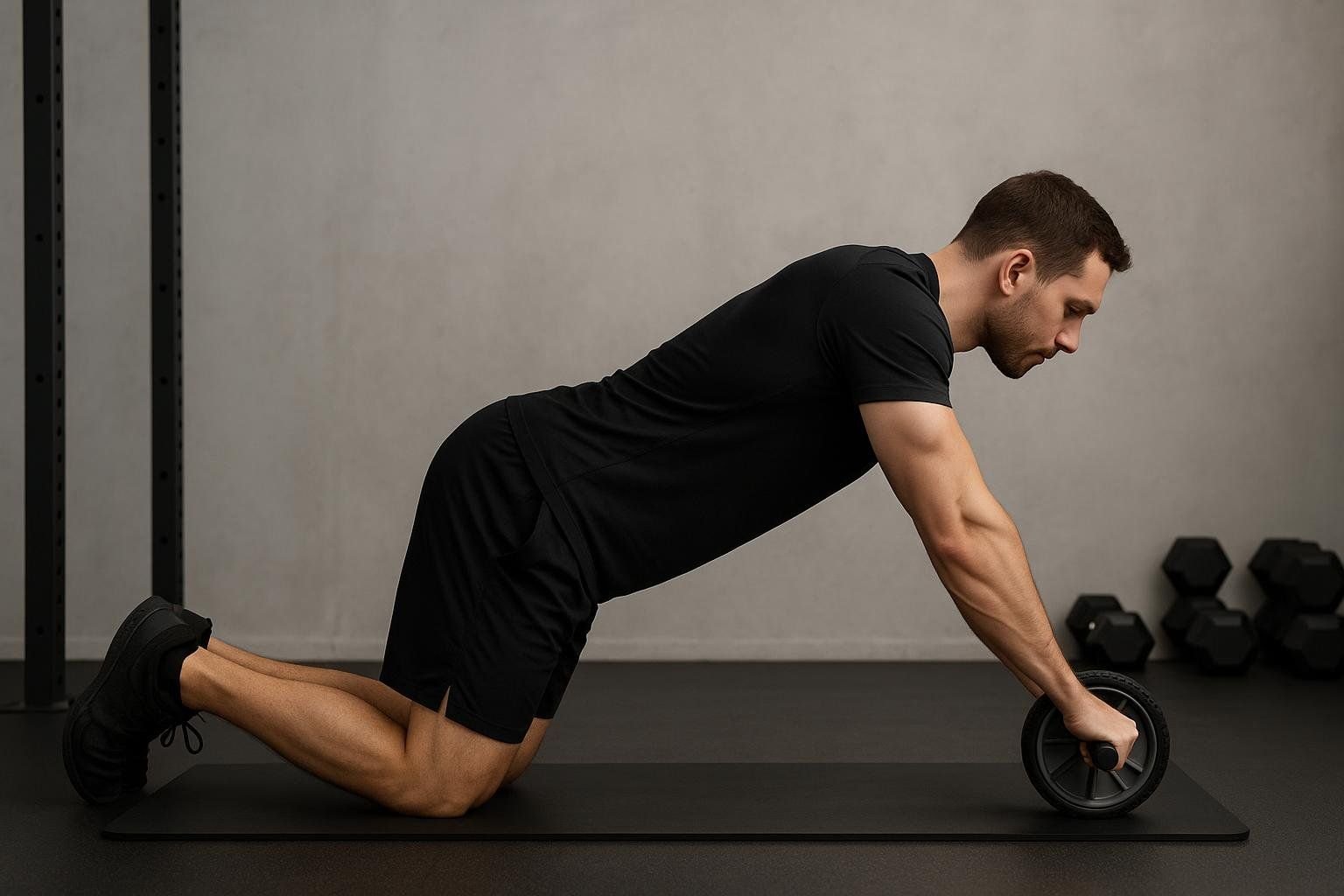
Building muscle strength isn’t just about looking good—it’s about feeling powerful, moving better, and living healthier. Whether you’re a beginner stepping into the gym for the first time or someone looking to level up their fitness game, this guide is your roadmap to getting stronger. I’ve been where you are, juggling work, life, and the occasional Netflix binge while trying to make gains. Through trial, error, and a few protein shake disasters, I’ve learned what works. This article combines my experience with expert-backed strategies to help you build muscle strength effectively.
Why Muscle Strength Matters
Muscle strength isn’t just for bodybuilders or athletes—it’s the foundation of a healthy, functional body. Strong muscles improve posture, boost metabolism, and reduce the risk of injury. They also make everyday tasks, like carrying groceries or climbing stairs, feel effortless.
The Science of Muscle Growth
Muscles grow through a process called hypertrophy, where resistance training causes tiny tears in muscle fibers. Your body repairs these tears, making muscles bigger and stronger. It’s like upgrading your body’s hardware—one rep at a time.
Strength vs. Size: What’s the Difference?
Strength focuses on how much force your muscles can produce, while size is about muscle volume. You can be strong without massive muscles, and vice versa. This guide prioritizes strength, but you’ll likely gain some size as a bonus.
The Core Principles of Building Muscle Strength
To build strength, you need a plan that balances exercise, nutrition, and recovery. Let’s break it down into actionable steps you can start today.
Progressive Overload: The Key to Growth
Progressive overload means gradually increasing the weight, reps, or intensity of your exercises. It’s the golden rule of strength training. Without it, your muscles have no reason to grow stronger.
Train Smart with Compound Movements
Compound exercises like squats, deadlifts, bench presses, and pull-ups work multiple muscle groups at once. They’re efficient and mimic real-world movements, making you stronger for life, not just the gym.
Why Squats Are King
Squats target your quads, hamstrings, glutes, and core. They’re a full-body powerhouse that builds strength and stability. Start with bodyweight squats if you’re new, and add weight as you progress.
Deadlifts for Total Strength
Deadlifts strengthen your posterior chain—think hamstrings, glutes, and lower back. They’re like the ultimate test of grit. I once pulled a deadlift PR and felt like I could conquer the world (or at least my laundry pile).
Train 3–5 Times Per Week
Consistency is everything. Aim for 3–5 strength training sessions per week, targeting different muscle groups. A split like push/pull/legs or full-body workouts works well for most.
Sample Weekly Workout Split
| Day | Focus | Example Exercises |
|---|---|---|
| Monday | Push | Bench Press, Overhead Press, Dips |
| Tuesday | Pull | Pull-Ups, Rows, Bicep Curls |
| Wednesday | Legs | Squats, Deadlifts, Lunges |
| Thursday | Rest/Active Recovery | Light Cardio or Stretching |
| Friday | Full Body | Clean and Press, Farmer’s Carry |
This split balances intensity and recovery, helping you avoid burnout.
Rest and Recovery: Your Secret Weapon
Muscles don’t grow in the gym—they grow when you rest. Aim for 7–9 hours of sleep, and take at least one rest day between heavy lifting sessions. Active recovery, like walking or yoga, keeps you moving without overdoing it.
The Power of Sleep
Sleep is when your body releases growth hormones to repair muscles. Skimp on it, and you’re shortchanging your gains. I learned this the hard way after a week of 5-hour nights and zero progress.
Nutrition for Muscle Strength
You can lift all the weights in the world, but without proper nutrition, you’re spinning your wheels. Here’s how to fuel your strength journey.
Protein: The Building Block
Protein repairs and builds muscle tissue. Aim for 0.7–1 gram of protein per pound of body weight daily. Chicken, eggs, fish, tofu, and protein shakes are great sources.
Best Protein Sources
- Animal-Based: Chicken breast, lean beef, salmon, eggs
- Plant-Based: Lentils, chickpeas, tofu, quinoa
- Supplements: Whey or plant-based protein powders
Carbs and Fats: Your Energy Team
Carbs fuel your workouts, while healthy fats support hormone production. Aim for complex carbs like oats, sweet potatoes, and brown rice, and fats from avocados, nuts, and olive oil.
Macronutrient Breakdown
| Nutrient | Daily Percentage | Sources |
|---|---|---|
| Protein | 25–35% | Meat, eggs, legumes |
| Carbs | 40–50% | Whole grains, fruits, vegetables |
| Fats | 20–30% | Nuts, seeds, avocado |
Hydration and Supplements
Stay hydrated—muscles are 75% water, and dehydration tanks performance. Supplements like creatine (5g daily) can boost strength, while branched-chain amino acids (BCAAs) may aid recovery.
Creatine: The Unsung Hero
Creatine increases your muscles’ energy supply, letting you push harder. It’s safe, affordable, and backed by decades of research. I started taking it years ago and noticed a difference in weeks.
Common Mistakes to Avoid
Even with the best intentions, it’s easy to derail your progress. Here are pitfalls to dodge.
Overtraining: Less Is More
Lifting too often without rest leads to fatigue and injury. Listen to your body—if you’re sore or sluggish, take a break. I once overdid it and ended up with a shoulder tweak that set me back weeks.
Poor Form: Quality Over Quantity
Bad form risks injury and reduces gains. Focus on controlled movements, and don’t ego-lift. Ask a trainer or watch reputable YouTube tutorials to nail your technique.
Neglecting Mobility and Warm-Ups
Skipping warm-ups or mobility work makes you stiff and injury-prone. Spend 5–10 minutes on dynamic stretches or foam rolling before lifting. Your future self will thank you.
Tools and Resources for Building Strength
You don’t need a fancy gym to get strong, but the right tools help. Here’s what to consider.
Best Equipment for Beginners
- Dumbbells: Versatile for home or gym use.
- Resistance Bands: Affordable and portable for travel.
- Power Rack: Ideal for safe, heavy lifting at home.
Where to Find Quality Gear
- Rogue Fitness: High-quality barbells and racks.
- Amazon: Budget-friendly dumbbells and bands.
- Local Gyms: Many offer day passes to test equipment.
Best Apps for Tracking Progress
- Strong: Tracks lifts and progress.
- MyFitnessPal: Monitors nutrition and macros.
- Fitbod: Generates personalized workout plans.
Pros and Cons of Strength Training
Pros
- Boosts metabolism and burns fat
- Improves mental health and confidence
- Enhances functional fitness for daily life
- Reduces risk of chronic diseases
Cons
- Risk of injury with poor form
- Time commitment for consistent results
- Initial costs for equipment or gym membership
- Soreness and fatigue in early stages
Comparison: Strength Training vs. Cardio
| Aspect | Strength Training | Cardio |
|---|---|---|
| Primary Benefit | Builds muscle and strength | Improves heart health |
| Calorie Burn | Moderate, long-term boost | High during session |
| Time Efficiency | High (3–5 sessions/week) | Moderate (daily possible) |
| Equipment Needed | Weights or bodyweight | Often none |
Strength training edges out for long-term fat loss and functional fitness, but combining both is ideal.
People Also Ask (PAA)
How long does it take to build muscle strength?
You can see strength gains in 4–8 weeks with consistent training and nutrition. Beginners often notice faster progress due to “newbie gains.”
What is the best exercise for muscle strength?
Compound lifts like squats, deadlifts, and bench presses are the most effective, as they target multiple muscle groups and build functional strength.
Can you build muscle strength without weights?
Yes, bodyweight exercises like push-ups, pull-ups, and squats can build strength, especially for beginners. Adding resistance bands increases intensity.
How much protein do I need to build muscle?
Aim for 0.7–1 gram of protein per pound of body weight daily, spread across meals. Timing matters less than total intake.
FAQ Section
How often should I strength train as a beginner?
Start with 3 sessions per week, focusing on full-body workouts. Rest at least one day between sessions to allow recovery.
Can women build muscle strength without getting bulky?
Absolutely. Women can gain strength with lean muscle due to lower testosterone levels. Focus on moderate weights and higher reps for tone.
What’s the best time of day to lift weights?
The best time is when you feel energized and can be consistent. Morning workouts boost metabolism; evening sessions may align with peak strength.
Do I need a personal trainer to build strength?
A trainer helps with form and programming but isn’t mandatory. Online resources and apps like Strong or Fitbod can guide you effectively.
How do I know if I’m getting stronger?
Track your lifts—if you’re increasing weight, reps, or sets over time, you’re getting stronger. Improved stamina and easier daily tasks are also signs.
Final Thoughts
Building muscle strength is a journey, not a sprint. It’s about showing up, eating right, and giving your body the rest it needs. My first deadlift was a humbling 95 pounds, and I spilled protein powder all over my kitchen counter more times than I’d like to admit. But every rep, every meal, and every good night’s sleep got me closer to my goals. Start small, stay consistent, and celebrate your progress. You’ve got this.
For more tips, check out Bodybuilding.com for workout plans or MyPlate.gov for nutrition guidance. Ready to lift? Grab a dumbbell and let’s get strong.