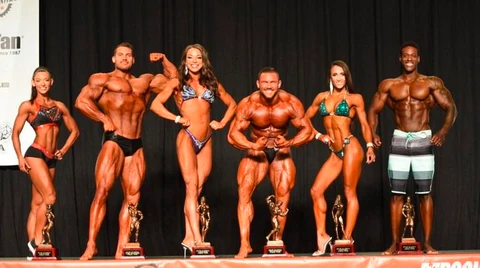
Bodybuilding is more than just lifting weights and flexing muscles—it’s a sport that celebrates discipline, aesthetics, and the pursuit of physical perfection. Whether you’re a gym rat dreaming of stepping on stage or a curious fan trying to make sense of the Mr. Olympia livestream, understanding bodybuilding competition divisions is key to appreciating the sport. With multiple organizations, categories, and judging criteria, the world of bodybuilding can feel like a labyrinth. But don’t worry—I’ve been around the fitness world long enough to break it down for you in a way that’s clear, engaging, and maybe even a little fun. Let’s dive into the sculpted, spray-tanned universe of bodybuilding divisions and explore what makes each one unique.
Why Bodybuilding Divisions Matter
Bodybuilding divisions exist to level the playing field, allowing athletes of different body types, experience levels, and aesthetic goals to compete fairly. Each division has its own rules, judging criteria, and vibe, catering to everyone from massive mass monsters to lean fitness models. Understanding these divisions helps competitors choose the right category and fans appreciate the artistry behind each pose.
The Evolution of Bodybuilding Divisions
Back in the 1970s, bodybuilding was simpler—just a handful of guys like Arnold Schwarzenegger battling it out for the Mr. Olympia title. Over time, as the sport grew, new divisions emerged to accommodate diverse physiques and audience preferences. Today, organizations like the IFBB Pro League and NPC offer a range of categories, making the sport more inclusive than ever.
Major Bodybuilding Organizations
Before we get into the divisions, let’s talk about the organizations that run the show. The International Federation of Bodybuilding and Fitness (IFBB) Pro League, National Physique Committee (NPC), World Beauty Fitness & Fashion (WBFF), and others each have their own spin on competitions. The IFBB and NPC dominate the scene, hosting prestigious events like Mr. Olympia and Arnold Classic.
IFBB Pro League vs. NPC: What’s the Difference?
The IFBB Pro League is the professional arm, where elite athletes compete for fame and cash prizes. The NPC, its amateur counterpart, is the gateway to earning a pro card. Both share similar divisions, but the NPC focuses on regional and national qualifiers for aspiring pros.
Men’s Bodybuilding Divisions
Men’s bodybuilding divisions are the heart of the sport, showcasing everything from Herculean mass to chiseled aesthetics. Here are the main categories you’ll encounter.
Men’s Open Bodybuilding
This is the classic division you picture when you think of bodybuilding—think Ronnie Coleman or Phil Heath. Competitors aim for maximum muscle mass, symmetry, and conditioning, with no weight or height restrictions. It’s the most extreme division, where size meets definition.
212 Olympia
Introduced to give shorter athletes a shot, the 212 Olympia caps competitors at 212 pounds. It emphasizes proportion and conditioning over sheer size. Think of it as bodybuilding’s “lightweight” class, though these guys are anything but small.
Classic Physique
Classic Physique is a throwback to the “Golden Era” of bodybuilding, inspired by icons like Frank Zane. Competitors aim for a balanced, aesthetic look with broad shoulders and a tiny waist. Posing is an art form here, with vacuum poses stealing the show.
Men’s Physique
Men’s Physique is the division for guys who want to look like they stepped off a magazine cover. Competitors wear board shorts, focusing on upper body development, leanness, and stage presence. It’s less about mass and more about a beach-ready vibe.
Wheelchair Bodybuilding
This inspiring division showcases athletes with disabilities who compete using wheelchairs. Judging focuses on upper body development, symmetry, and presentation. It’s a testament to the sport’s inclusivity and the power of determination.
Women’s Bodybuilding Divisions
Women’s bodybuilding has evolved to celebrate a range of physiques, from muscular powerhouses to graceful fitness models. Here’s a breakdown of the key divisions.
Women’s Bodybuilding (Ms. Olympia)
Ms. Olympia is the pinnacle for female bodybuilders, emphasizing muscle mass, symmetry, and conditioning. Competitors like Iris Kyle have redefined what strength looks like. It’s a division for those who live for the grind.
Women’s Physique
Women’s Physique strikes a balance between muscularity and femininity. Competitors showcase defined muscles and symmetry through mandatory poses, but the focus is less extreme than Women’s Bodybuilding. It’s perfect for athletes who want to blend power and grace.
Fitness
Fitness is a dynamic division combining bodybuilding with gymnastics and dance routines. Competitors perform choreographed routines to showcase strength, flexibility, and creativity. It’s like bodybuilding meets Cirque du Soleil.
Figure
Figure competitors aim for a lean, muscular physique with an emphasis on femininity and presentation. Posing is less rigid than in Women’s Bodybuilding, with a focus on symmetry and overall balance. It’s a division that celebrates elegance.
Bikini
Bikini is the most accessible division for newcomers, focusing on a toned, balanced physique without extreme muscularity. Competitors wear heels and bikinis, emphasizing stage presence and overall aesthetics. It’s the “glam” side of bodybuilding.
Wellness
Wellness is a newer division tailored for women with fuller lower bodies—think strong glutes and quads. It prioritizes proportion and conditioning while maintaining a feminine look. It’s gained massive popularity in recent years.
Comparing Men’s and Women’s Divisions
| Division | Focus | Key Judging Criteria | Attire |
|---|---|---|---|
| Men’s Open | Maximum muscle mass, symmetry | Size, conditioning, posing | Posing trunks |
| 212 Olympia | Proportion, conditioning | Symmetry, leanness, under 212 lbs | Posing trunks |
| Classic Physique | Aesthetics, balance | Proportions, vacuum pose, classic look | Posing trunks |
| Men’s Physique | Upper body, leanness | Athletic build, stage presence | Board shorts |
| Women’s Bodybuilding | Muscle mass, symmetry | Size, definition, conditioning | Posing suit |
| Women’s Physique | Muscularity, femininity | Symmetry, shape, posing | Posing suit, heels |
| Fitness | Strength, flexibility, creativity | Routine performance, physique | Performance costume, heels |
| Figure | Lean muscularity, femininity | Symmetry, balance, presentation | Two-piece suit, heels |
| Bikini | Toned physique, stage presence | Balance, aesthetics, confidence | Bikini, heels |
| Wellness | Lower body fullness, proportion | Glutes, quads, overall balance | Bikini, heels |
This table highlights how each division caters to different body types and goals, ensuring there’s a place for everyone in the sport.
Classes Within Divisions
Divisions are further split into classes based on age, height, weight, or experience. Here’s a quick rundown:
- True Novice: For first-time competitors.
- Novice: For those who haven’t won a major class.
- Masters: For athletes over 30 or 40, depending on the organization.
- Teen: For competitors aged 18–19.
- Open: For all eligible competitors, regardless of experience.
These classes ensure fair competition, whether you’re a rookie or a seasoned pro.
Choosing the Right Division
Picking a division depends on your body type, training style, and goals. If you’re naturally lean and athletic, Men’s Physique or Bikini might be your jam. If you’re all about packing on size, Men’s Open or Women’s Bodybuilding could be your calling. Consulting a coach can help you align your physique with the right category.
Judging Criteria: What Makes a Winner?
Judging in bodybuilding is subjective but follows strict guidelines. Here’s what judges look for across most divisions:
- Muscularity: Size and definition of muscles.
- Symmetry: Balance and proportion between muscle groups.
- Conditioning: Leanness and muscle separation.
- Posing: How well competitors showcase their physique.
- Stage Presence: Confidence, charisma, and overall presentation.
Each division tweaks these criteria. For example, Classic Physique prioritizes aesthetics over size, while Bikini emphasizes confidence and poise.
Pro Tips for Aspiring Competitors
- Hire a Coach: A qualified prep coach can guide your training, nutrition, and posing. Look for someone with credentials like NASM’s Physique & Bodybuilding Coach certification.
- Practice Posing: Posing is an art—practice daily to nail your routine.
- Understand Your Division: Study the judging criteria to tailor your prep.
- Nutrition is Key: A tailored diet is crucial for conditioning and muscle retention.
Pros and Cons of Competing in Bodybuilding
Pros:
- Builds discipline and mental toughness.
- Showcases your hard work on a competitive stage.
- Connects you with a supportive fitness community.
- Offers a chance to earn pro status and sponsorships.
Cons:
- Prep can be physically and mentally grueling.
- Costs for coaching, suits, and travel can add up.
- Extreme dieting may impact health if not managed properly.
- Subjective judging can be frustrating.
People Also Ask (PAA)
Here are some common questions from Google’s PAA section, answered concisely:
What are the main bodybuilding divisions?
The main divisions include Men’s Open, 212 Olympia, Classic Physique, Men’s Physique, Women’s Bodybuilding, Women’s Physique, Fitness, Figure, Bikini, and Wellness. Each focuses on different aspects of physique and presentation.
How do I choose a bodybuilding division?
Consider your body type, training experience, and aesthetic goals. Consult a coach to assess your physique and align it with a division’s criteria.
What is the difference between Men’s Physique and Classic Physique?
Men’s Physique emphasizes a lean, athletic upper body and board shorts, while Classic Physique focuses on a balanced, aesthetic physique with classic poses and trunks.
How is bodybuilding judged?
Judges evaluate muscularity, symmetry, conditioning, posing, and stage presence, with specific criteria varying by division.
Where to Get Started
If you’re ready to compete, start by researching local NPC shows or WBFF events. Websites like NPC News Online provide schedules and registration details. For coaching, check out platforms like NASM for certified prep coaches. Join bodybuilding forums or social media groups for community support and tips.
Best Tools for Bodybuilding Prep
- Posing Coaches: Invest in a coach to perfect your stage presentation.
- Nutrition Apps: Apps like MyFitnessPal help track macros for peak conditioning.
- Gym Equipment: Access to a well-equipped gym with free weights and machines is essential.
- Competition Gear: Quality posing suits or trunks can be found at retailers like Angel Competition Bikinis.
FAQ Section
Q: How long does it take to prepare for a bodybuilding competition?
A: Prep typically takes 12–20 weeks, depending on your starting point and division. It involves strict dieting, training, and posing practice.
Q: Can beginners compete in bodybuilding?
A: Absolutely! Start with the True Novice or Novice class in an NPC show. A coach can help you prepare effectively.
Q: What’s the difference between amateur and pro bodybuilding?
A: Amateur competitions (e.g., NPC) are for aspiring athletes, while pro competitions (e.g., IFBB Pro League) are for those who’ve earned a pro card through qualifying events.
Q: How much does it cost to compete?
A: Costs vary but expect $500–$2,000 for coaching, suits, registration, and travel. Budget wisely and prioritize a reputable coach.
Q: Is bodybuilding safe for women?
A: Yes, when done with proper guidance. Women’s divisions like Bikini and Wellness are designed for various fitness levels, but extreme dieting should be monitored by professionals.
Final Thoughts
Bodybuilding is a journey of self-discovery, discipline, and artistry. Whether you’re drawn to the raw power of Men’s Open or the elegance of Bikini, there’s a division for you. I remember watching my first local NPC show—mesmerized by the competitors’ confidence and the crowd’s energy. It inspired me to hit the gym harder and dream bigger. If you’re thinking about competing, take the leap—find a coach, pick your division, and start sculpting your masterpiece. The stage is waiting.