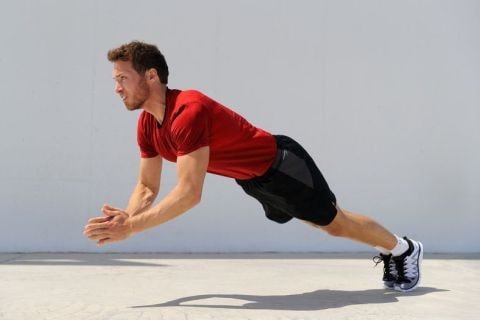
Hey there, speed chaser. Picture this: It’s a crisp fall morning back in my college days, and I’m lacing up for track practice. The sun’s just peeking over the horizon, and my legs feel like lead from yesterday’s hill sprints. But then Coach drops a bombshell—”Plyos today, folks. Let’s wake those fast-twitch fibers up.” I groan inwardly, but deep down, I know he’s right. Those explosive jumps and bounds? They turned me from a middling 400-meter guy into someone who could actually hang with the sprinters. Fast forward a decade, and as a certified strength coach who’s trained everyone from weekend warriors to semi-pro athletes, I’ve seen plyometrics work their magic time and again. If you’re tired of feeling stuck in your speed game, these top four plyometric drills are your ticket to unlocking that next gear. We’re talking real, tangible gains in sprint velocity that you’ll feel in your very next workout.
Plyometrics aren’t some fancy gym trend—they’re the secret sauce for max speed, rooted in that stretch-shortening cycle where your muscles load up like a spring and release with explosive force. I’ve lost count of how many clients have shaved seconds off their 40-yard dash after just six weeks of consistent plyo work. But here’s the deal: It’s not about going wild and risking a tweak. We’ll break it down step by step, with tips from my own trial-and-error days (yes, including that time I face-planted during bounds and laughed it off with the team). Ready to bounce your way to faster times? Let’s dive in.
What Are Plyometric Drills?
Plyometric drills are those quick, powerful movements—like jumps and hops—that train your body to generate force super fast. Think of them as sprinting’s best friend, mimicking the rapid push-off you need for top-end speed. Back when I first started coaching high school kids, one athlete swore plyos felt like “cheating” because her legs just started firing quicker without extra effort.
In simple terms, plyos exploit the stretch-shortening cycle: Your muscle lengthens under tension (eccentric phase), stores energy like a rubber band, then snaps back (concentric phase) for that explosive pop. Science backs it—studies show just 4-8 weeks of plyo training can boost sprint speed by up to 5% in recreational runners. They’re not just for elites; anyone chasing max velocity can benefit, whether you’re dodging defenders on the field or gunning for a PR in your local 5K.
The beauty? No gym required. A patch of grass, some focus, and you’re off. But don’t skip the warmup—I’ve seen too many eager beavers pull a hammy by jumping cold. Start with dynamic stretches, and you’ll be golden.
Why Plyometrics Supercharge Your Speed
Remember that electric feeling when you finally nail a personal best? Plyos deliver that by rewiring your neuromuscular system for quicker, stronger contractions. In my early coaching gigs, I had a soccer player who couldn’t break 5.5 seconds in the shuttle run. After layering in plyos twice a week, she hit 5.1—and credited the “springy” confidence in her legs for outmaneuvering opponents.
At their core, plyos build elastic strength in your tendons and muscles, reducing ground contact time during sprints—that split-second your foot spends planted before pushing off. Research from the Journal of Strength and Conditioning confirms plyometric training enhances rate of force development, directly translating to faster acceleration and top speed. Plus, they fire up fast-twitch fibers, those powerhouses that fade with age but roar back with the right stimulus.
It’s not all science, though. There’s an emotional rush— that “I own this track” vibe after a solid session. And humor me: If plyos were a superhero, they’d be The Flash, zipping you past plateaus while everyone else plods along.
Drill 1: Bounding for Distance
Bounding is like sprinting on steroids—exaggerated strides that stretch your hips and calves for monster power. I once had a client, a harried dad in his 40s, who bounded across a field like a gazelle after weeks of practice. “Feels like my legs grew springs overnight,” he said, chuckling at his own reflection in the gym mirror.
This drill targets stride length and horizontal force, key for transitioning from acceleration to max velocity. Stand tall, arms pumping like you’re running. Drive your lead knee forward explosively while pushing off the back leg, landing on the ball of your front foot. Cover as much ground as possible per bound, keeping your core tight and eyes ahead. Aim for 20-30 meters, focusing on quick turnover—no dragging those heels.
Do 3-4 sets of 6-8 bounds, resting 90 seconds between. Beginners, start shorter to nail form; pros, add a slight uphill for extra burn. Pro tip: Imagine you’re leaping over imaginary hurdles—that mental cue keeps things light and fun.
How to Progress Bounding
Start with double-leg bounds if single-leg feels wobbly, then alternate legs for asymmetry fixes. Once comfy, incorporate resistance bands around your waist for that extra pull—my go-to for advanced athletes.
Progression keeps it fresh and injury-free. Track distance per set; when you hit consistent 2-meter leaps, level up.
Drill 2: Depth Jumps
Ah, depth jumps—the “oh crap, I’m airborne again” drill that builds reactive snap. Picture my old track buddy, Mike, who went from hesitant leaper to hurdle beast after mastering these. “It’s like my feet learned to cheat gravity,” he’d joke, high-fiving after a session.
Step onto a box (12-18 inches for starters), arms at sides. Step off—no jumping—letting gravity drop you. As soon as your feet kiss the ground, explode upward into a max vertical jump, tucking knees if you can. Land soft, reset, repeat. The magic? That micro-pause trains your muscles to rebound faster than a bad check.
Hit 3 sets of 5-6 reps, with 2 minutes rest—quality over quantity here. Use a soft surface like grass to baby your joints. If boxes scare you, mimic with step-offs from stairs. Watch for knee cave-ins; cue “knees out” to stay aligned.
Common Depth Jump Mistakes
Folks often linger too long on the ground, killing the elasticity. Snap up like the floor’s hot lava—under 0.2 seconds contact time is gold.
Another pitfall: Over-rotating the box height too soon. Stick low until your landings feel ninja-quiet.
Drill 3: Single-Leg Hops
Single-leg hops are the unsung heroes for fixing imbalances and boosting unilateral power. I remember coaching a tennis player who hopped her way out of chronic ankle rolls—now she’s serving aces without a wince, and we share a laugh over her pre-plyo “klutz” stories.
Balance on one leg, slight knee bend. Hop forward explosively, driving the knee up and swinging the opposite arm. Land balanced, minimal dwell, then hop again. Go for distance or speed—10-15 meters per set. Switch legs each round to even things out.
Perform 3 sets of 8-10 hops per leg, 60-90 seconds rest. It’s sneaky tough on stability, so start slow. Variations: Add a mini-hurdle for rhythm or go lateral for agility twists.
This drill shines for sports needing quick cuts, like basketball or soccer. Feel the burn? That’s your weak side thanking you later.
Benefits of Single-Leg Work
It mimics real-life sprint asymmetries, strengthening stabilizers for injury-proof legs. Plus, that emotional win of conquering the “wobbly leg” day? Priceless.
Drill 4: Box Jumps
Box jumps— the crowd-pleaser that screams “power!” My first love-hate with these was in boot camp; I hated the setup, loved the endorphin rush. One Marine recruit turned it around, going from box-avoider to jump king, boosting his mile time by 20 seconds.
Face a sturdy box (start at knee height). Squat down, swing arms back, then explode up, landing both feet simultaneously on top. Stand tall, step down controlled— no heroic leaps off. That’s one rep.
Crank out 4 sets of 6-8, resting 2 minutes. Focus on soft landings to spare your knees. No box? Use stairs or a bench. Advanced? Add a tuck or rotate mid-air for flair.
Humor alert: If you feel like a frog on steroids, you’re doing it right. Just don’t overshoot and eat the box—been there, iced that shin.
Box Jump Variations
Try single-leg for brutality or lateral jumps for multi-plane magic. Pair with bounds for a killer circuit.
Building a Plyo Routine: Sample Workout
Let’s tie it together with a 20-minute blast. Warm up 5-10 minutes: Jog, arm circles, leg swings. Then circuit-style: 6 bounds, 5 depth jumps, 8 single-leg hops per side, 6 box jumps. Rest 1-2 minutes between rounds, 3-4 rounds total. Cool down with walks and stretches.
Twice weekly, post-easy run or standalone. Track progress in a journal—nothing beats seeing those jump heights climb. For gear, grab affordable plyo boxes from Amazon or hit local parks for free bounds.
| Drill | Sets x Reps | Rest | Focus |
|---|---|---|---|
| Bounding | 3×6-8 | 90s | Stride power |
| Depth Jumps | 3×5 | 2min | Reactivity |
| Single-Leg Hops | 3×8/leg | 60s | Balance |
| Box Jumps | 4×6 | 2min | Explosiveness |
This table’s your roadmap—print it, pin it, live it.
Pros and Cons of Plyometric Training
Pros? Explosive gains in speed and power, plus that full-body burn for calorie torching. It’s fun, varied, and translates straight to the track—my athletes rave about feeling “unstoppable.”
Cons: High impact means joint stress if you’re not ready. Beginners risk tweaks without form checks. And recovery? Skimp on it, and you’ll pay—I’ve nursed more than one overzealous shin splint.
Overall, pros crush cons when programmed smart. Weigh your fitness level; consult a doc if history’s iffy.
Comparison: Plyos vs. Traditional Speed Work
Plyos edge out hill sprints for pure elasticity, while weights build the raw strength base. Combine ’em? Gold. Sprints hone technique, but plyos add that pop—think foundation (lifts) meets fireworks (jumps).
In a head-to-head, plyos win for efficiency: 20 minutes yields what hours of steady-state might not. But neither’s complete solo—blend for best results.
People Also Ask
What Are the Best Plyometric Exercises for Beginners?
Ease in with squat jumps and skater hops—low impact, high reward. Build to depths over 4 weeks; my newbie clients love the quick wins without overwhelm.
How Often Should You Do Plyometrics for Speed?
Twice weekly max, with 48 hours recovery. Overdo it, and you’re courting fatigue. Listen to your body—rest days are speed’s best friend.
Can Plyometrics Help with Weight Loss?
Absolutely, via that HIIT-style calorie blaze. Pair with diet, and watch pounds melt while speed soars. One client dropped 10 pounds and PR’d her 100m—double win.
Are Plyometrics Safe for Older Adults?
Yes, modified—low boxes, fewer reps. Focus on form; I’ve got 50-somethings bounding stronger than ever. Start supervised, progress slow.
FAQ
How Long Until I See Speed Gains from Plyos?
Four to eight weeks for noticeable zips, per studies. Consistency’s key—my groups see 2-3% sprint boosts by month two. Patience pays.
Do I Need Equipment for These Drills?
Nope! Grass for bounds, a step for depths. Splurge on a plyo box if you want, but parks work fine.
What’s the Biggest Plyo Mistake Rookies Make?
Rushing volume—boom, injury. Form first, always. Cue: “Quiet feet, loud power.”
Can Plyos Replace Sprinting?
Nah, they’re partners. Sprints teach mechanics; plyos amp the engine. Use both for max velocity.
There you have it—your blueprint to blistering speed. Go forth, jump high, and remember: Every great sprinter started with a single bound. What’s your first drill? Drop a comment; let’s chat progress. Keep chasing that rush.