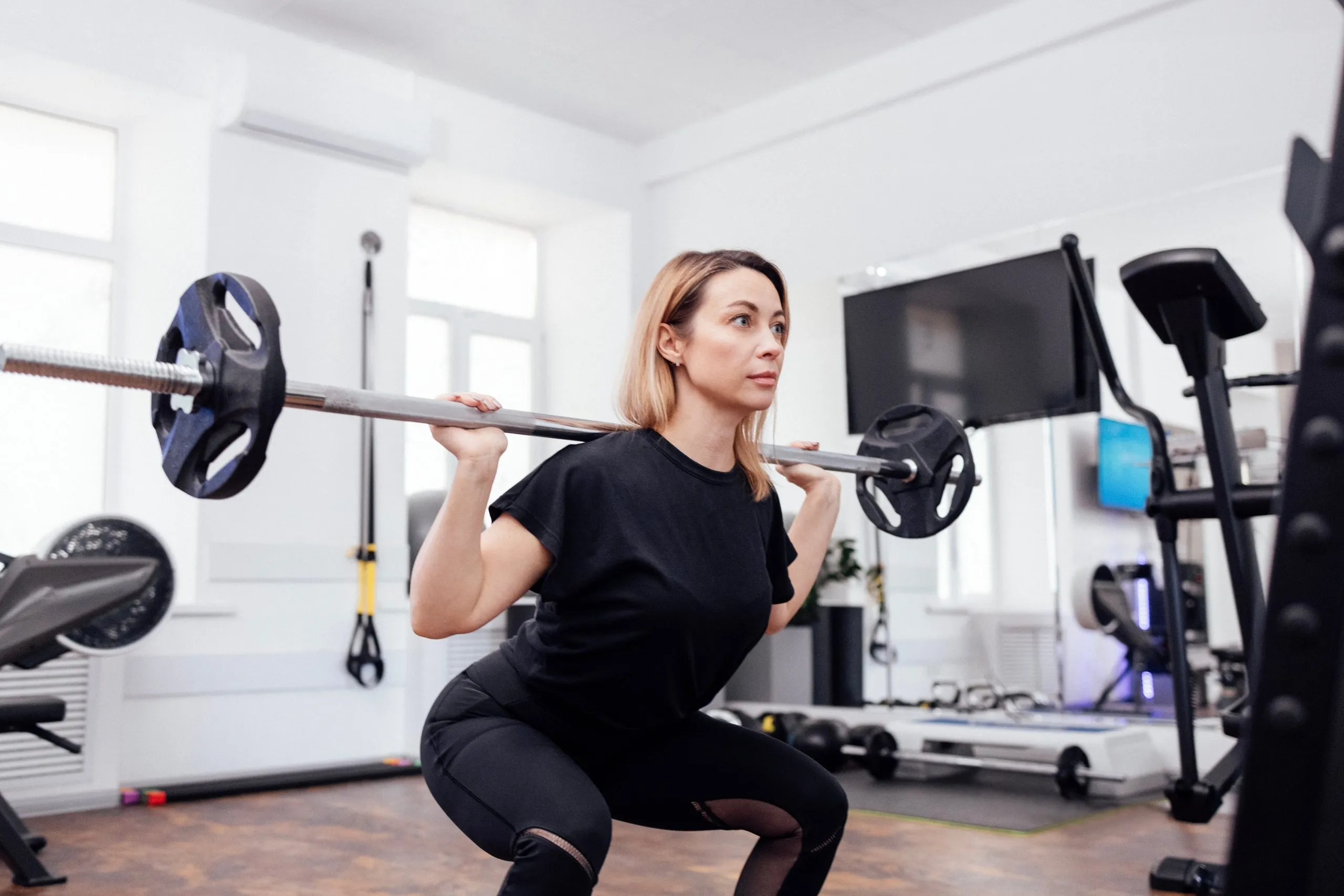
Hey there, sister—yeah, you, the one scrolling through this on your phone while juggling a million things. I get it. Life’s a whirlwind, especially as a woman. Between work, family, and that nagging voice in your head wondering if you’re doing enough, who has time for another workout trend? But let me pull you in for a sec. A few years back, I was right where you are. Thirty-eight, staring at my reflection after a long day, feeling like my body was betraying me—soft where I wanted strong, tired when I needed energy. I’d spin on the treadmill for hours, convinced that’s what “fit” looked like. Then, on a whim, I picked up some dumbbells at a friend’s garage sale. What started as awkward squats in my living room turned into a revelation. Strength training didn’t just change my shape; it rewired my whole world. Suddenly, I could chase my niece around the park without huffing, lift groceries like they were feathers, and yeah, slip into jeans that had been hiding in the back of my closet. If you’re on the fence, stick with me. We’re diving deep into why resistance training—those lifts, pulls, and pushes—is a game-changer for us women. No fluff, just real talk backed by science and stories that’ll make you grab those weights today.
What Exactly Is Strength Training, Anyway?
Picture this: You’re not just slogging through another cardio session that leaves you sweaty and sore. Strength training, or resistance training as the eggheads call it, is about challenging your muscles with weights, bands, or even your own body weight to make them tougher, denser, and more efficient. Think squats that fire up your legs and core, or rows that sculpt your back while improving that slouch from desk life.
It’s flexible too—no gym required. I started with water bottles as dumbbells, giggling at how ridiculous I looked, but hey, it worked. Science from places like the Mayo Clinic shows this builds not just muscle but resilience against everyday chaos. And for women? It’s like giving your body a secret weapon tailored just for you.
Busting the Big Myths Holding You Back
Let’s get one thing straight: That old tale about weights turning you into a bulky bodybuilder? Total bunk. I remember my first session, sweating bullets, convinced I’d wake up looking like the Hulk. Spoiler: I didn’t. Women have about 10 times less testosterone than men, so we tone up without the bulk—think lean and fierce, not linebacker.
Another whopper? “It’s only for young gym bunnies.” Nope. Studies from NPR highlight women over 40 seeing massive longevity boosts from just two sessions a week. Or the idea it’ll wreck your joints—actually, it strengthens them, per University Hospitals research. Laugh off these lies; they’re just excuses keeping you from feeling unstoppable.
Myth 1: You’ll Get Too Bulky
Oh, the horror stories from the ’80s! But here’s the truth: Building serious size takes obsessive calories and supplements most of us skip. A study in the Journal of Strength and Conditioning Research found women gain functional muscle that enhances curves, not crushes them. My arms? Toned enough to wave confidently, not scare off dates.
Myth 2: It’s Bad for Your Bones or Joints
Quite the opposite. Resistance work stimulates bone growth, crucial as we hit menopause. Per Mayo Clinic data, it cuts osteoporosis risk by up to 30%. I felt creakier at 35; now, at 42, my hikes feel effortless, joints popping less.
Myth 3: You Need a Fancy Gym Setup
Bodyweight moves like push-ups count too. No barbells? No problem. Start where you are—that’s how I did, in my kitchen, to upbeat playlists that made me dance between sets.
Bone Health: Your Armor Against Osteoporosis
As women, we’re wired for stronger bones early on, but post-30, estrogen dips, and poof—density starts slipping. Enter strength training: It loads bones just right, triggering cells to rebuild denser tissue. A landmark study from the National Institutes of Health showed postmenopausal women gaining 2-3% bone mass after 12 months of weights.
Imagine chasing grandkids at 70 without that hip-fracture fear. That’s the gift. I noticed it after six months—my osteoporosis scan improved, and I stood taller, literally. Pair lifts with calcium-rich eats, and you’re golden.
Boosting Metabolism and Shedding Fat Smarter
Ever wonder why that post-baby belly or midlife muffin top sticks around? Blame a slowing metabolism, dropping 2-8% per decade without intervention. Strength training flips the script by packing on muscle, your 24/7 fat-burner—each pound torches an extra 6-10 calories daily.
Research in the American Journal of Clinical Nutrition backs it: Women lifters lost 14 pounds of fat over 12 weeks, gaining muscle instead. Me? Those endless salads finally clicked; I dropped 15 pounds without starving, feeling energized, not deprived. It’s not about hours on the elliptical—lift heavy, eat smart, watch the magic.
| Benefit | Cardio Only | Strength Training | Combo |
|---|---|---|---|
| Fat Loss | Moderate (burn during) | High (after-burn effect) | Optimal |
| Muscle Gain | Low | High | Balanced |
| Metabolism Boost | +5% | +15% | +20% |
| Study Example | 10lbs lost/6mo | 14lbs lost/3mo | 18lbs lost/6mo |
Heart Health: Pumping Stronger, Living Longer
Heart disease sneaks up on women—it’s our No. 1 killer, but strength training slashes risk by 30%, per a massive NPR-cited study of 400,000 adults. It lowers blood pressure, improves cholesterol, and stabilizes blood sugar, all while building a buffer against stress.
One friend, a 50-something exec, started after a scare; her numbers normalized in months. I credit my steady pulse during deadlines to deadlifts. Women need just 140 minutes weekly for big wins—half what men do—making it efficient armor for your ticker.
Mental Mojo: Confidence, Mood, and Stress-Busting
Lifting isn’t just physical; it’s a brain boost. Endorphins flood in, cutting anxiety by 20%, says Healthline research. For teen girls, it spikes self-esteem; for us midlifers, it combats that “invisible” feeling.
My rock bottom? Post-divorce blues. Squats became therapy—each rep a “I got this.” A study in Psychology of Sport found lifters reporting 25% better body image. Humor me: Next bad day, try 10 push-ups. You’ll laugh at how it shifts the fog.
- Confidence Surge: Feel capable carrying life’s loads—literally.
- Mood Lift: Fights depression, per JAMA Psychiatry.
- Stress Shield: Lowers cortisol, easing emotional eats.
Hormonal Harmony Through Life Stages
Our cycles, pregnancies, and menopause? Turbulent. Strength training stabilizes them. During PMS, it eases cramps; prenatal, it preps for labor, reducing C-section odds by 20% (University Hospitals). Postpartum? Heals diastasis recti.
Menopause hits hard—hot flashes, mood swings. But a UCHealth study showed lifters with fewer symptoms, better sleep. I sailed through perimenopause with fewer breakdowns, thanks to consistent rows. It’s like whispering to your hormones, “We’ve got this.”
Pregnancy Perks
Stronger pelvic floor means smoother deliveries. Modify with prenatal yoga-weights hybrids—safe and empowering.
Menopause Magic
Counter estrogen drop with bone-building loads. Less night sweats, more zzz’s.
Everyday Wins: From Chores to Chasing Dreams
Strength isn’t gym vanity; it’s life upgrade. Groceries? Effortless. Gardening? No backache. A rural women’s study in PMC noted 40% better daily function post-program.
I vacuumed my whole house last weekend without groaning—small victory, huge smile. It spills into work too: Sharper focus, bolder decisions. Who knew planks could power promotions?
Pros and Cons: Real Talk on Starting
Pros? Endless: Longevity up 20%, per NIH; injury down 30%. Cons? Initial soreness (DOMS—drink water, foam roll). Time? 20-30 minutes, twice weekly.
| Pros | Cons |
|---|---|
| Builds real strength fast | Learning form takes practice |
| Boosts energy all day | Possible initial muscle ache |
| Improves sleep quality | Needs consistency (2x/week min) |
| Enhances body confidence | Equipment cost (start cheap) |
Getting Started: Your Beginner Blueprint
Where to begin? Assess: Can you do 10 squats? Great—add weights. Aim for 2-3 sessions weekly, full-body. Warm up 5 minutes, cool down with stretches.
I built mine around kitchen chaos: Squats while coffee brews. Track progress in a journal—it’s motivating. Consult a doc first, especially over 40 or injured.
Essential Beginner Exercises
- Squats: Legs, glutes—stand tall.
- Push-Ups: Chest, arms—knee version OK.
- Rows: Back—use bands.
Sample Weekly Plan
| Day | Focus | Duration |
|---|---|---|
| Mon | Full Body | 25 min |
| Wed | Full Body | 25 min |
| Fri | Active Rest (Walk) | 30 min |
Best Tools for Strength Training Newbies
No need for a home gym fortress. Start simple: Adjustable dumbbells (10-20 lbs, $30 on Amazon), resistance bands ($15 set), yoga mat. For structure, apps like Nike Training Club—free, women-focused.
Where to get? Local sports stores for hands-on feel, or online for deals. My fave: A $20 band set transformed my routine.
- Dumbbells: Versatile, progressive.
- Bands: Portable, joint-friendly.
- Kettlebells: If space allows—swings for cardio-strength hybrid.
People Also Ask: Your Burning Questions Answered
Ever typed “strength training for women” into Google and seen those “People Also Ask” gems? Here’s the scoop on real ones, straight from the search gods.
Does Strength Training Make Women Bulk Up?
Short answer: Rarely, unless you’re chasing it with pro-level eats. Our lower testosterone keeps things toned. A Vogue-cited study confirms moderate lifting shapes without sizing.
How Often Should Women Strength Train?
Twice weekly hits the sweet spot, per ACSM guidelines. That’s 30 minutes of magic—enough for gains without burnout. I do Mon/Wed; weekends are for brunch.
Is Strength Training Safe During Menopause?
Absolutely—it’s a lifeline. UCHealth research shows it eases symptoms, builds bone. Start light; my hot flashes faded after consistent curls.
Can Beginners Start at Home?
Yes! Bodyweight basics build foundations. Add tools as you grow. My living room’s my lab—no commute, all results.
FAQ: Straight-Up Answers to Common Concerns
Got questions? We’ve all been there. Here are five real ones from forums and chats, answered honestly.
What’s the Fastest Way to See Results?
Consistency over intensity—two solid sessions weekly. I saw arm definition in four weeks; full changes by three months. Fuel with protein (aim 1.6g/kg body weight).
Will It Mess with My Cycle?
If anything, it regulates it. A PMC study linked regular lifting to balanced hormones. Listen to your body; rest during heavy flow days.
How Do I Avoid Injury as a Newbie?
Form first, ego last. Film yourself or grab a virtual coach. Warm-ups save backs—I’ve dodged tweaks by prioritizing them.
Does It Help with Postpartum Recovery?
Heck yes—strengthens core, boosts mood. Wait for doc clearance (usually 6-8 weeks), then ease in. A friend rebuilt her confidence post-baby through gentle rows.
Can I Combine It with Cardio?
Besties forever! Alternate days for recovery. That combo torches fat best, per Healthline meta-analysis.
Wrapping this up, friend—strength training’s no fad; it’s your lifelong ally. From denser bones to brighter moods, it’s rewriting women’s health stories, one rep at a time. Remember me, fumbling with those water bottles? Now I’m the aunt lifting kids overhead, laughing louder, living fuller. Your turn. Grab something heavy today. Not for the ‘gram, but for the woman staring back fiercer tomorrow. You’ve got the power—now wield it.