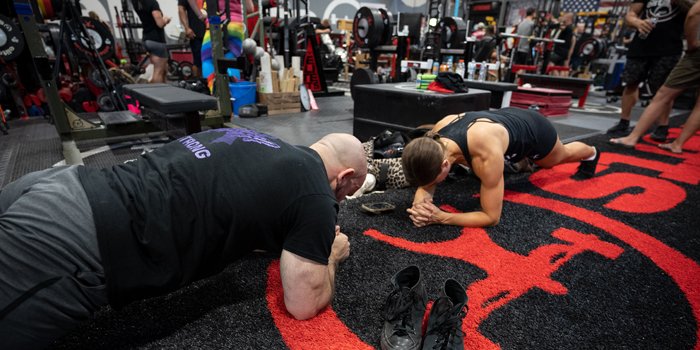
Hey there, if you’re an athlete grinding through practices and games, you’ve probably felt that nagging pull in your midsection after a long sprint or a quick cut on the field. I know I have. Back in my college soccer days, I was all about leg day and endurance runs, but it wasn’t until I tweaked my lower back during a tournament that I realized my core was the missing link. It wasn’t just about looking good in a swimsuit—though that’s a nice bonus—it was about staying powerful, balanced, and injury-free. That’s when I dove deep into core training, and let me tell you, it transformed my game. In this guide, I’ll walk you through a practical core training template tailored for athletic performance, drawing from years of coaching high school and college athletes. We’ll cover everything from the basics to a ready-to-use routine, so you can build a rock-solid foundation that elevates your sport.
Understanding Core Training for Athletes
Core training goes beyond endless crunches; it’s about fortifying the muscles that connect your upper and lower body, creating a stable powerhouse for every explosive move you make. For athletes, this means exercises that mimic the demands of your sport, like resisting rotation during a tackle or stabilizing during a jump shot. I’ve seen too many talented players sidelined because they neglected this area, and trust me, a strong core isn’t optional—it’s your secret weapon.
The Muscles Involved in Your Core
Your core isn’t just the six-pack abs you see in magazines; it’s a team of muscles including the transverse abdominis, obliques, rectus abdominis, erector spinae, and even parts of your glutes and hips. These work together like a corset, bracing your spine and transferring force efficiently. When I first started coaching, I had an athlete who thought core meant only front planks—big mistake. Targeting all these layers prevents imbalances and keeps you moving fluidly on the court or field.
Why Core Strength Boosts Athletic Performance
A solid core acts as the bridge between your limbs, ensuring power from your legs shoots straight to your arms without leaking energy. Studies show athletes with strong cores jump higher, sprint faster, and change direction quicker, all while dodging injuries that could bench you for weeks. It’s like upgrading your engine—everything runs smoother and stronger. In my experience training basketball players, those who prioritized core work outlasted their opponents in the fourth quarter, no question.
Enhanced Power Transfer and Efficiency
Power transfer is where the magic happens: your core links lower-body drive to upper-body actions, like in a baseball swing or soccer kick. Without it, you’re wasting effort—think pushing a cannon from a wobbly canoe. Research backs this; core training can boost vertical jump by up to 5-10% in just weeks. I once had a track athlete shave seconds off her 100m time simply by adding anti-rotation drills—pure efficiency gold.
Injury Prevention Through Core Stability
Injuries love weak spots, and a flimsy core leaves your back, hips, and knees vulnerable to strains during high-impact plays. Strong core muscles absorb shocks and maintain posture, cutting lower back pain risk by 30-50% in contact sports. Picture this: a football lineman I coached avoided a season-ending hernia by focusing on stability planks. It’s not glamorous, but it’s the difference between playing and watching from the sidelines.
The Three-Phase Core Training Template
This template builds progressively, starting with basics to avoid overwhelm and ramping up to sport-mimicking chaos. It’s flexible for any athlete—soccer stars to swimmers—and I’ve used it with teams to see real gains in agility and endurance. Aim for 2-3 sessions weekly, 10-20 minutes each, integrated into your warm-up or cool-down. Progress phases every 4-6 weeks based on feel, not a rigid calendar.
Phase 1: Building Stability with Anti-Movement Drills
Stability is your foundation, teaching your core to resist unwanted twists or bends without moving. These isometric holds activate deep muscles for better posture and control. Start here if you’re new or recovering—it’s low-impact but eye-opening. I remember a young wrestler who couldn’t hold a plank for 20 seconds at first; four weeks in, he was dominating takedowns with newfound balance.
- Plank: Hold forearm position, body straight, for 20-30 seconds; 3 sets.
- Side Plank: Stack feet, elbow under shoulder, hold 15-20 seconds per side; 3 sets.
- Bird Dog: On all fours, extend opposite arm and leg, hold 5-10 seconds; 3 sets of 8 reps per side.
- Pallof Press: Band at chest height, press out while resisting pull; 3 sets of 10 reps per side.
Phase 2: Developing Strength Through Dynamic Movements
Once stable, add controlled motion to build muscle endurance and power. This phase targets flexion, extension, rotation, and lateral bends with light resistance. It’s where you feel the burn—and the progress. Coaching a volleyball team, we saw spike power jump after incorporating these; no more “leaky” swings.
- Hanging Leg Raises: Hang from bar, lift knees to chest; 3 sets of 8-12 reps.
- Russian Twists: Sit with knees bent, twist torso holding med ball; 3 sets of 15 reps per side.
- Ab Wheel Rollouts: Kneel, roll forward keeping core tight; 3 sets of 6-10 reps.
- Suitcase Carries: Hold weight in one hand, walk 20-30 steps; 3 sets per side.
Phase 3: Integrating Chaos and Sport-Specific Drills
Chaos mimics game unpredictability, forcing reactive stability with speed or instability. Tie it to your sport for transfer—think rotational throws for pitchers. This phase is fun but challenging; one basketball player I trained laughed at first trying water bag twists, then credited them for better defensive pivots. Progress by adding speed or uneven loads.
- Landmine Rotations: Pivot bar in landmine, rotate explosively; 3 sets of 8 reps per side.
- Medicine Ball Slams: Overhead slam with twist; 3 sets of 10 reps.
- Unilateral Lunges with Rotation: Lunge forward, twist toward front leg; 3 sets of 6 reps per side.
- Chaos Planks: Partner pushes randomly while you hold plank; 3 sets of 20-30 seconds.
Sample 4-Week Core Training Routine for Athletes
This routine cycles through phases, assuming 3 sessions per week (e.g., Monday, Wednesday, Friday). Warm up with 5 minutes of light cardio, cool down with stretches. Adjust reps based on fitness—beginners drop to 2 sets, advanced add weight. Track progress in a journal; I always tell my athletes, “What gets measured gets improved.” Over four weeks, you’ll notice tighter form and more pop in your plays.
| Week | Session 1 (Stability Focus) | Session 2 (Strength Focus) | Session 3 (Integration Focus) | Total Time |
|---|---|---|---|---|
| 1 | Plank 3x20s, Bird Dog 3×8/side | Russian Twists 3×10/side, Hanging Leg Raises 3×8 | Med Ball Slams 3×8, Suitcase Carries 3×20 steps/side | 15 min |
| 2 | Side Plank 3x15s/side, Pallof Press 3×10/side | Ab Wheel 3×6, Russian Twists 3×12/side | Landmine Rotations 3×6/side, Unilateral Lunges 3×6/side | 18 min |
| 3 | Plank 3x30s, Bird Dog 3×10/side | Hanging Leg Raises 3×10, Suitcase Carries 3×30 steps/side | Chaos Planks 3x20s, Med Ball Slams 3×10 | 20 min |
| 4 | All Phase 1 exercises + 1 from Phase 2 | Mix Phase 2 + intro Phase 3 (e.g., Landmine 3×8/side) | Full Phase 3 circuit, 2 rounds | 20-25 min |
For more personalized plans, check out resources like the NSCA’s Basics of Strength and Conditioning.
Best Tools and Equipment for Core Training
If you’re serious about athletic core work, the right gear amplifies results without breaking the bank. From bodyweight basics to add-ons, these tools make sessions efficient and game-like. I’ve outfitted entire teams on budgets—start simple, upgrade as you progress. Where to get them? Online spots like Amazon or Dick’s Sporting Goods have athlete-grade options, or hit local gyms for trials.
- Resistance Bands: Versatile for Pallof presses; affordable at $10-20.
- Medicine Balls: For slams and twists; opt for 6-10 lbs for starters ($15-30).
- Ab Wheel: Builds serious strength; under $20, but use with caution to avoid strain.
- Stability Ball: Great for advanced planks; $15-25, boosts instability training.
- Landmine Attachment: Gym essential for rotations; $30+, worth it for explosive drills.
For top picks, explore Men’s Health’s guide to core equipment. If you’re building a home setup, pair with our internal guide to budget athletic gear.
Pros and Cons of Popular Core Training Methods
Core methods vary—bodyweight, weighted, or functional—and choosing right depends on your sport and level. Bodyweight is accessible but limited for pros; weighted builds mass but risks form breakdown. Functional shines for transfer but needs space. Here’s a quick comparison to help you mix and match, based on what I’ve seen work (and flop) with athletes.
| Method | Pros | Cons | Best For |
|---|---|---|---|
| Bodyweight (e.g., Planks) | No equipment needed, improves stability fast, low injury risk | Plateaus quickly, less power building | Beginners, injury recovery, daily maintenance |
| Weighted (e.g., Cable Crunches) | Increases strength and muscle size, measurable progress | Requires gym access, higher injury potential if form slips | Intermediate athletes seeking hypertrophy |
| Functional (e.g., Med Ball Throws) | Sport-specific, enhances power transfer, fun and dynamic | Needs space/partner, harder to track reps | Advanced athletes, in-season training |
Overall, blend them: 60% functional for performance, 40% others for balance. One tennis player I coached swore by functional after ditching pure weighted—her serves got lethal.
Common Mistakes in Core Training and How to Avoid Them
Athletes often rush core work, treating it like an afterthought, which leads to imbalances or burnout. I’ve pulled players aside mid-session for these slip-ups, and fixing them unlocked huge gains. Keep sessions focused, breathe properly (no holding breath!), and listen to your body—pain isn’t progress.
- Skipping warm-ups: Jumps straight into holds, risking strains; solution: 2-3 min dynamic stretches first.
- Over-relying on crunches: Ignores rotation/stability; balance with anti-movements like bird dogs.
- Ignoring progression: Stays at beginner level too long; track and advance every 2 weeks.
- Poor form under fatigue: Arches back in planks; film yourself or use a mirror.
- Neglecting recovery: Trains daily without rest; limit to 3x/week, add mobility days.
Humor me here: Don’t be the guy who planks like a soggy noodle—quality over quantity keeps you in the game.
People Also Ask
Google’s “People Also Ask” for core training queries often highlights practical doubts. Here’s a roundup with straightforward answers, pulled from common searches.
- What are the best core exercises for athletes? Top picks include planks for stability, Russian twists for rotation, and med ball slams for power. These build functional strength without fancy gear.
- How often should athletes train their core? Aim for 2-4 times weekly, 10-20 minutes, integrated into full workouts. Overdo it and you’ll fatigue; underdo it, and performance suffers.
- Is core training important for athletic performance? Absolutely—it boosts power, balance, and injury resistance. Studies show up to 8% gains in speed and jumps.
- What is core stability training? It’s exercises resisting movement, like Pallof presses, to brace your spine during dynamic actions. Essential for sports like soccer or basketball.
- Can bodyweight exercises build a strong athletic core? Yes, dead bugs and bird dogs are gold for beginners, progressing to advanced variations. No weights needed for real results.
For more on these, see Mayo Clinic’s core basics.
FAQ
How often should athletes incorporate core training into their routine?
Most athletes benefit from 2-3 dedicated core sessions per week, plus integration into main lifts like squats. This frequency builds strength without overtaxing recovery—I’ve found it perfect for in-season balance.
What are the top three core exercises for improving athletic performance?
Planks for overall stability, Pallof presses for anti-rotation, and hanging leg raises for lower abs. These target multiple planes and transfer directly to sports like running or throwing.
Does core training really prevent injuries in athletes?
Yes, by enhancing stability and force absorption, it reduces back and hip issues by 20-40%. In my coaching, athletes who stuck to it missed fewer practices due to strains.
How can beginners start a core training template?
Begin with Phase 1 stability drills, 2 sessions weekly, focusing on form. Build up slowly—rushing leads to frustration. Resources like Elite FTS blueprints are great starters.
What’s the difference between core strength and core stability?
Strength builds muscle power through dynamic moves, while stability focuses on bracing against forces. Both are key; athletes need stability first for safe power gains.
Wrapping up, implementing this core training template isn’t a quick fix—it’s a commitment that pays off in every sprint, jump, and pivot. From my own sideline recoveries to watching athletes shatter personal records, I’ve seen the impact firsthand. Grab that stability ball, start with Phase 1, and watch your performance soar. You’ve got this—now go dominate.