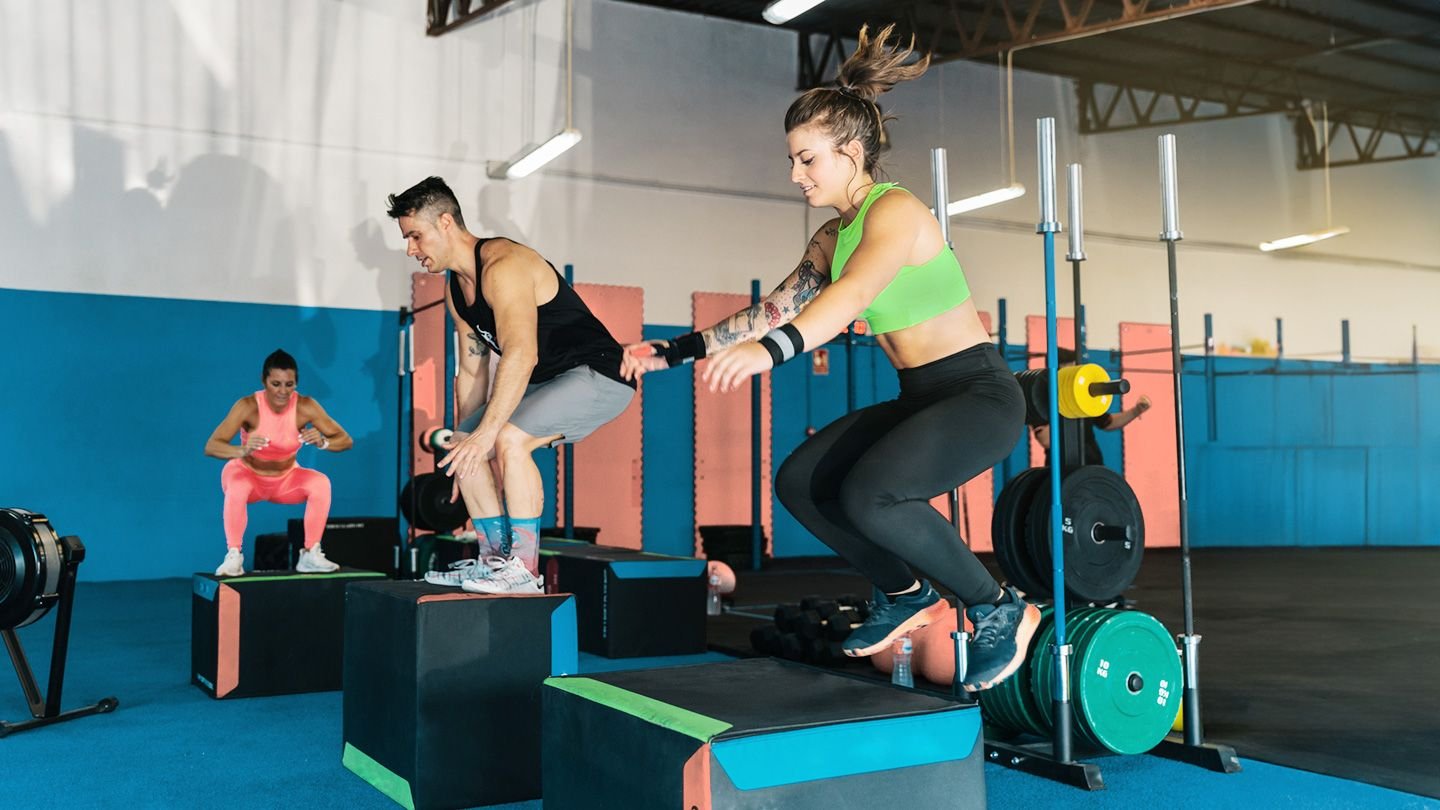
Hey there, friend. Picture this: It’s a crisp fall morning back in my college days, and I’m lacing up my beat-up running shoes for what I thought would be just another jog around the track. But my track coach had other ideas. “Today, we’re doing jumps,” he said with that grin that meant business. I remember landing my first box jump awkwardly, knees wobbling like a newborn foal, and thinking, “What have I gotten myself into?” Little did I know, those explosive moves—plyometrics—would transform not just my speed on the field, but how I moved through life. Fast forward years later, as a certified trainer who’s helped dozens of folks from soccer moms to weekend warriors, I’ve seen plyos light that same fire in everyone. If you’re ready to add some pop to your workouts, stick with me. We’ll dive into what these powerhouse exercises are, why they deserve a spot in your routine, and spotlight the eight best ones to get you bouncing.
What Are Plyometric Exercises?
Plyometric exercises, or plyos for short, are all about that quick stretch-and-snap of your muscles—like a rubber band pulling tight before it launches. They kick off with an eccentric phase where the muscle lengthens under tension, followed by a super-fast switch to concentric contraction for explosive power. Think jumping high or bounding forward; it’s the secret sauce behind athletes leaping for dunks or sprinters exploding off the blocks. I first felt this magic during those college sessions, when a simple squat jump suddenly made my legs feel like coiled springs.
These aren’t your grandma’s calisthenics, though they’re accessible with tweaks for beginners. Originating from Soviet training in the 1960s, plyos hit the mainstream thanks to folks like track stars and now everyday gym-goers chasing better performance. They’re anaerobic beasts, firing up fast-twitch fibers for short, intense bursts that build real-world athleticism.
Why You Should Add Plyometrics to Your Routine
Let’s get real—why bother with all this jumping when you could just lift heavy or run steady? Well, remember that time I twisted my ankle during a pickup basketball game because my legs felt like wet noodles? Plyos could have toughened me up sooner. They amp up your power output, making everyday moves like chasing a bus or playing tag with your kids feel effortless. Studies show they boost speed, agility, and even bone density, which is gold as we age and gravity gets bossy.
Beyond the stats, there’s this addictive rush. After incorporating plyos twice a week into my clients’ plans, I’ve watched confidence soar— one guy, a desk-bound dad, shaved seconds off his 5K because his strides got snappier. It’s not just physical; it’s that mental high of feeling capable, like you’ve unlocked a hidden gear. Plus, they torch calories in a fun way, blending strength and cardio without the monotony of a treadmill slog. If you’re eyeing better sports performance or just want to move like you mean it, plyos deliver.
Benefits of Plyometric Training
Diving deeper, the perks of plyos read like a wish list for anyone tired of feeling sluggish. First off, they supercharge explosive strength—think higher jumps or quicker sprints—by training that stretch-shortening cycle to perfection. Research from places like Harvard backs this, noting gains in fast-twitch muscle fibers that translate to real power on the field or court.
But it’s not all elite-athlete stuff. Plyos sharpen coordination and balance, cutting injury risk by teaching your body to land soft and rebound strong. I once had a client, Sarah, a 45-year-old hiker, who credited bounding drills for saving her from a trail tumble. And let’s not forget the metabolic kick: These moves spike your heart rate, aiding fat loss while building lean muscle. For runners, they improve economy, so you go farther with less effort. Overall, it’s about vitality—stronger bones, resilient tendons, and that “I got this” vibe that spills into life off the mat.
Getting Started with Plyometrics: Tips for Beginners
Starting plyos can feel intimidating, like jumping into the deep end without floaties—trust me, I did that metaphorically in college and ended up sore for days. Ease in with a solid base: If you can’t squat your bodyweight for 10 reps or balance on one leg for 30 seconds, build there first. Aim for 1-2 sessions a week, keeping contacts (foot strikes) under 50 to avoid overload.
Warm up smart—five minutes of light jogging, then dynamic swings like arm circles and leg kicks. Land soft every time, bending knees to absorb shock, and wear supportive shoes on forgiving surfaces like grass or mats. Listen to your body; if joints protest, scale back. Humor me: Start low and slow, maybe mimicking jumps without leaving the ground. Progress as confidence grows, and soon you’ll be bounding like a pro.
The 8 Best Plyometric Exercises
Now, the fun part—the exercises that pack the biggest punch. I’ve curated these eight based on what delivers results without overwhelming newbies. They target lower body mostly, since that’s where plyo magic shines, but toss in some upper-body flair. Each builds power progressively, so mix ’em into your routine. We’ll break ’em down next.
1. Box Jumps
Box jumps are the gateway drug to plyos—simple yet savage in building leg power. Stand facing a sturdy box (start knee-height), feet shoulder-width, then squat low and explode up, landing soft with knees bent. Step down to reset. Shoot for 3 sets of 5-8 reps.
This move lit up my track practices, turning sluggish starts into rocket launches. It hammers quads, glutes, and calves while teaching landing mechanics to dodge tweaks. Beginners, use a low step; pros, go higher for that vertical boost.
2. Squat Jumps
No box? No problem. Squat jumps bring the explosiveness anywhere. Drop into a deep squat, arms back for momentum, then drive up hard, reaching high as you leap. Land controlled, reset quick. Aim for 3 sets of 10.
I snuck these into hotel rooms during travel meets—kept my legs firing without gear. They mimic real-life bursts like jumping a puddle, firing up your posterior chain for better speed and jump height.
3. Bounding
Imagine exaggerated skipping on steroids: Bound forward with long, powerful strides, pushing off one leg to cover ground like a gazelle. Swing arms for drive, land on the midfoot. Do 3 sets of 20-30 yards.
This one’s my secret for sprinters; it elongated my strides, adding yards per pump. Great for unilateral strength, it balances hips and boosts horizontal power—perfect for soccer or track.
4. Depth Jumps
For the brave, depth jumps crank reactivity. Step off a low box (6-12 inches), land both feet, then immediately explode up as high as possible. No pausing—pure rebound. 3 sets of 5.
Coach had me do these pre-race, and whoa, the pop in my hurdles improved overnight. They train quick ground contact, mimicking game-time reactions, but ease in to protect Achilles.
5. Lateral Bounds
Side-to-side power? Lateral bounds got you. Start in a quarter squat, push off one leg sideways, landing strong on the other. Alternate like a shuttle run. 3 sets of 8 per side.
Basketball buddies swear by these for defensive slides—they saved my hide in lateral cuts. Targets inner thighs and stabilizers, slashing agility gaps and injury odds.
6. Single-Leg Hops
Unilateral love: Hop forward on one leg, knee soft on landing, for distance or height. Switch legs halfway. 3 sets of 10 per leg.
After an old ankle sprain, these rebuilt my stability—felt lopsided no more. They fix imbalances, amp ankle resilience, and translate to sports needing quick cuts.
7. Medicine Ball Slams
Upper-body plyo alert! Hold a med ball overhead, squat deep, then hurl it down explosively while jumping slightly. Catch on the bounce if solo. 3 sets of 8.
Nothing vents frustration like a good slam—my go-to after tough days. Engages core and shoulders for throwing power, plus it’s a stress-buster with cardio kick.
8. Plyometric Push-Ups
Push-ups with flair: From plank, lower controlled, then shove up so hands leave the ground. Clap mid-air for extra sass. 3 sets of 5-10.
These turned my scrawny arms into launchers during wrestling season. Builds chest and tricep snap, ideal for combat sports or anyone wanting upper-body zip.
Sample Plyometric Workout Routine
Ready to string these together? Here’s a beginner-friendly circuit: Warm up 5-10 minutes (jog, dynamics). Then, cycle through box jumps (5 reps), squat jumps (8), bounding (20 yards), and med ball slams (6). Rest 1-2 minutes between, 3 rounds total. Cool down with stretches. Do this twice weekly, post-strength day.
For intermediates, add depth jumps and single-leg hops. Track progress—maybe film your jumps to see height gains. I built this for a client group; they reported feeling “springier” in weeks. Adjust reps as needed, always prioritizing form.
| Exercise | Sets x Reps | Rest Between Sets | Target Muscles |
|---|---|---|---|
| Box Jumps | 3 x 5-8 | 60-90 sec | Quads, Glutes, Calves |
| Squat Jumps | 3 x 10 | 45-60 sec | Full Lower Body |
| Bounding | 3 x 20 yards | 90 sec | Hips, Hamstrings |
| Med Ball Slams | 3 x 8 | 60 sec | Core, Shoulders |
Pros and Cons of Plyometric Training
Plyos aren’t perfect—nothing is. On the upside, they’re equipment-light (grab a box or ball from Amazon), time-efficient, and fun, blending power with play. They enhance sports transfer, like better volleyball spikes, and boost metabolism for that post-workout glow.
Downsides? High impact stresses joints—I’ve iced knees more than once. Beginners risk strains without prep, and recovery demands rest days. Not ideal for heavy folks or injury histories without mods. Weigh it: The power gains often outweigh tweaks if you progress smart.
- Pros:
- Builds explosive strength and speed fast
- Improves agility and balance
- Minimal gear needed
- Fun, varied workouts
- Cons:
- Joint stress if overdone
- Needs strength base first
- Recovery-focused scheduling
- Not for everyone (e.g., arthritis)
Comparison: Plyometrics vs. Traditional Strength Training
Plyos versus weights? It’s apples and grenades—both build muscle, but differently. Traditional lifts like squats grind slow-twitch endurance, focusing on max load over time. Plyos? They’re velocity kings, spiking rate of force for that quick twitch.
In my experience, combining them rules: Weights for base, plyos for polish. A study showed hybrid routines up sprint times more than lifts alone. Plyos win for athleticism; weights for size. For fat loss, plyos edge with HIIT vibes.
| Aspect | Plyometrics | Traditional Strength |
|---|---|---|
| Focus | Power/Speed | Hypertrophy/Endurance |
| Intensity | Explosive, Short | Heavy, Sustained |
| Equipment | Minimal | Barbells/Dumbbells |
| Injury Risk | Higher Impact | Lower if Form Good |
| Best For | Athletes | Bodybuilders |
Where to Get Plyometric Equipment
Most plyos need zilch beyond space and shoes—squat jumps anywhere. For box jumps, snag an adjustable plyo box from sites like Power Systems or Perform Better. Med balls? Budget ones run $10-20 on Amazon.
Check local gyms for hurdles or ropes too. Start bodyweight; add tools as you level up. Pro tip: Thrift stores sometimes have sturdy steps for cheap boxes.
People Also Ask (PAA)
Ever Googled plyos and seen those “people also ask” gems? Here are real ones, answered straight.
What Are Plyometric Exercises Good For?
Plyos excel at cranking power and speed—great for sports like basketball or running. They also fortify bones, sharpen balance, and spike calorie burn. In daily life, they make stairs a breeze and falls less scary.
Are Plyometric Exercises Safe?
Absolutely, if progressed right. Build a strength foundation, land soft, and limit sessions. I’ve seen safe gains in clients over 50; just consult a doc if joints ache.
How Often Should You Do Plyometrics?
Twice weekly max for newbies, with rest days. More risks burnout. Pair with strength; track how your body feels.
Can Beginners Do Plyometric Exercises?
Yes! Start low-impact, like marching jumps. My first client, a couch potato, nailed squat jumps in weeks. Patience pays.
What Equipment Do You Need for Plyometrics?
Bare minimum: Good shoes and space. Optional: Plyo box, med ball, jump rope. Check IRON COMPANY for sleds if advancing.
FAQ
Got lingering questions? Here’s the scoop on common curiosities.
How Long Until I See Results from Plyos?
Give it 4-6 weeks of consistent sessions. You’ll notice snappier jumps first, then speed gains. Track vertical leap weekly—motivating stuff.
Can Plyos Help with Weight Loss?
Yep, they rev metabolism via high intensity. Combine with diet for best burn— one study showed extra 200 calories torched per session.
What’s the Difference Between Plyos and HIIT?
HIIT mixes intervals of anything intense; plyos specifically explode muscles via jumps. Overlap? Huge—both crush cardio.
Are Plyos Good for Older Adults?
With mods, yes! Low-height jumps build bone density, per Harvard research. Start supervised; my 60+ clients love the vitality boost.
How to Avoid Injury in Plyometric Training?
Warm thoroughly, master form, progress slow. Ice post-session, foam roll. If pain hits, rest—I’ve learned that the hard way.
There you have it—your roadmap to plyo prowess. Remember my college jumps? They weren’t just training; they were me claiming my power. Yours can be too. Grab those shoes, start small, and leap in. What’s your first move? Drop a comment—I’d love to cheer you on.