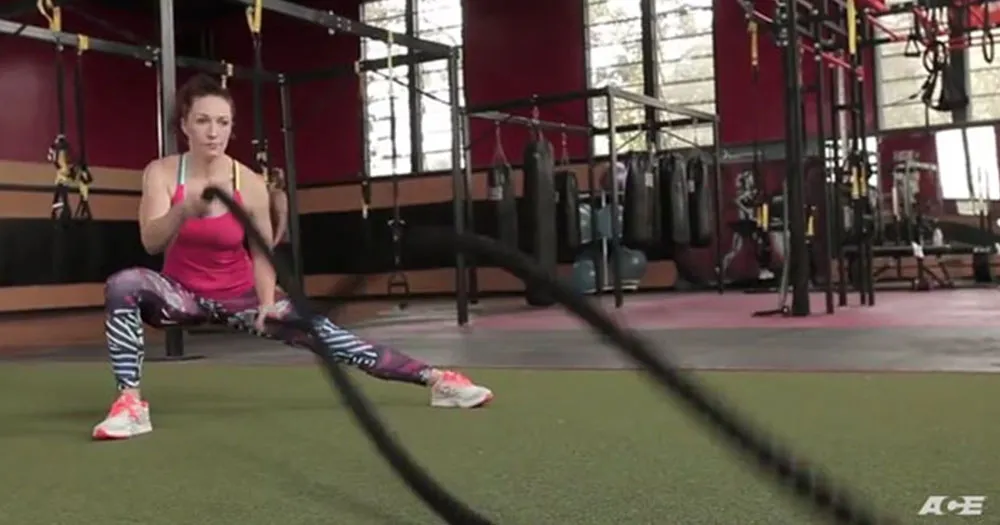
Battle ropes aren’t just a gym fad—they’re a full-body, calorie-torching, strength-building powerhouse that can transform your fitness routine. Whether you’re a beginner looking to spice up your cardio or an athlete aiming to boost explosive power, battle ropes deliver. This article dives deep into why battle ropes are a game-changer, how to use them effectively, and the best workouts to get you in shape. Let’s grab those ropes and get moving!
Why Battle Ropes Are a Fitness Game-Changer
Imagine swinging heavy ropes with all your might, feeling your muscles burn and your heart race—it’s intense, fun, and incredibly effective. Battle ropes combine strength, cardio, and functional fitness into one dynamic workout. They’re versatile, low-impact, and perfect for anyone wanting to level up their training without the monotony of a treadmill.
The Science Behind the Sweat
Battle ropes engage multiple muscle groups while spiking your heart rate, making them ideal for high-intensity interval training (HIIT). A 2015 study found that just 10 minutes of battle rope exercises can burn 100–120 calories, rivaling traditional cardio. They’re not just about burning fat—they build endurance, power, and coordination too.
A Personal Touch: My First Rope Encounter
I’ll never forget my first time with battle ropes at a local gym. I thought, “How hard can waving ropes be?” Two minutes in, I was gasping, my arms were screaming, and I was hooked. It felt like a full-body wake-up call, and I’ve been incorporating them into my workouts ever since.
Benefits of Battle Ropes: Why You Should Start Today
Battle ropes aren’t just for show—they deliver real results. From torching calories to sculpting muscles, they offer a range of benefits that make them a must-have in any fitness routine. Here’s why they’re worth your time.
Full-Body Muscle Engagement
Battle ropes target your arms, shoulders, core, and even legs, depending on the exercise. Unlike isolated weightlifting, they mimic real-world movements, improving functional strength. Think of it as training your body to move better in everyday life.
Low-Impact, High-Intensity Cardio
If running jars your joints, battle ropes are a gentler alternative. They deliver a heart-pounding workout without the stress of high-impact exercises. This makes them ideal for all fitness levels, from beginners to seasoned athletes.
Mental and Physical Resilience
There’s something empowering about slamming ropes with all your might. It’s a stress-reliever that builds mental toughness while pushing your physical limits. You’ll feel like a warrior after every session.
Versatility for All Fitness Goals
Whether you want to burn fat, build muscle, or boost endurance, battle ropes adapt to your needs. You can tweak intensity, duration, or movements to align with your goals, making them a one-stop fitness tool.
Key Benefits at a Glance
- Calorie Burn: Up to 120 calories in 10 minutes.
- Muscle Activation: Engages arms, shoulders, core, and legs.
- Low-Impact: Joint-friendly for all ages.
- Mental Boost: Relieves stress and builds confidence.
- Versatile: Suits weight loss, strength, or endurance goals.
How to Use Battle Ropes: Techniques for Success
Getting started with battle ropes is easier than it looks, but proper form is key to avoiding injury and maximizing results. Let’s break down the essentials so you can whip those ropes like a pro.
Choosing the Right Rope
Battle ropes come in various lengths (30–50 feet) and thicknesses (1.5–2 inches). Beginners should start with a 30-foot, 1.5-inch rope for easier handling. Anchor it to a stable point, like a pole or kettlebell, to keep it secure.
Proper Grip and Stance
Hold the rope ends with a firm but relaxed grip, like shaking hands. Stand with feet shoulder-width apart, knees slightly bent, and core engaged. This stance keeps you stable and protects your lower back during intense movements.
Mastering Basic Movements
Start with simple moves like alternating waves or double slams. Focus on controlled, rhythmic motions rather than wild swinging. Keep the ropes taut to maximize resistance and muscle engagement.
Common Mistakes to Avoid
- Overgripping: Squeezing too hard tires your hands quickly.
- Slouching: Poor posture strains your back—keep it straight.
- Going Too Fast: Speed without control reduces effectiveness.
- Ignoring Core: Engage your abs to stabilize your body.
Best Battle Rope Workouts for Every Level
Ready to get started? These workouts are designed for beginners, intermediates, and advanced users, ensuring there’s something for everyone. Each includes sets, reps, and tips to keep you on track.
Beginner Workout: Building the Foundation
This workout eases you into battle ropes with simple moves to build endurance and form. Perfect for those new to the ropes or returning after a break.
Alternating Waves
Stand with feet shoulder-width apart, holding a rope in each hand. Move each arm up and down alternately to create waves. Keep your core tight and back straight. Do 3 sets of 20–30 seconds.
Rope Slams
Lift both ropes overhead and slam them to the ground with force. Engage your core and use your whole body for power. Perform 3 sets of 15–20 slams. Rest 30 seconds between sets.
Intermediate Workout: Stepping Up the Intensity
Ready to push harder? This workout adds complexity and duration to challenge your strength and stamina.
Side-to-Side Waves
Hold a rope in each hand and move both side to side in a rhythmic motion. Twist slightly at the hips but keep your torso forward. Do 3–4 sets of 30–40 seconds, resting 20 seconds between sets.
Jumping Rope Slams
Combine slams with a jump for extra cardio. Lift ropes overhead, slam them down, and jump as you release. Perform 3 sets of 15 slams, resting 30 seconds between sets.
Advanced Workout: Unleashing the Beast
For those who’ve mastered the basics, this workout incorporates explosive movements and compound exercises for maximum impact.
Double-Arm Slams with Lunges
Slam both ropes while stepping back into a reverse lunge. Alternate legs with each slam. Do 4 sets of 20 slams, resting 20 seconds between sets.
Plank Waves
In a plank position, hold one rope and create waves with one arm while stabilizing with the other. Switch sides after 20 seconds. Perform 3 sets per side, resting 15 seconds between sets.
Workout Comparison Table
| Level | Exercise | Sets/Reps | Rest | Focus |
|---|---|---|---|---|
| Beginner | Alternating Waves | 3 sets of 20–30 sec | 30 sec | Endurance, Form |
| Beginner | Rope Slams | 3 sets of 15–20 slams | 30 sec | Power, Core |
| Intermediate | Side-to-Side Waves | 3–4 sets of 30–40 sec | 20 sec | Coordination, Stamina |
| Intermediate | Jumping Rope Slams | 3 sets of 15 slams | 30 sec | Cardio, Explosive Power |
| Advanced | Double Slams with Lunges | 4 sets of 20 slams | 20 sec | Strength, Functional Fitness |
| Advanced | Plank Waves | 3 sets of 20 sec/side | 15 sec | Core Stability, Endurance |
Pros and Cons of Battle Rope Workouts
Like any fitness tool, battle ropes have their strengths and limitations. Here’s a balanced look to help you decide if they’re right for you.
Pros
- Full-Body Workout: Engages multiple muscle groups at once.
- High Calorie Burn: Torches fat efficiently in short sessions.
- Low-Impact: Gentle on joints compared to running or jumping.
- Versatile: Adaptable for all fitness levels and goals.
- Fun and Engaging: Keeps workouts fresh and exciting.
Cons
- Space Requirements: Needs room for rope movement.
- Learning Curve: Proper form takes practice to master.
- Cost: Quality ropes can be pricey (starting at $50–$100).
- Fatigue Risk: Overdoing it can lead to quick burnout.
People Also Ask (PAA)
Here are answers to common Google queries about battle ropes, addressing searcher intent directly.
What Muscles Do Battle Ropes Work?
Battle ropes target your shoulders, arms (biceps, triceps), core (abs, obliques), and legs when combined with movements like lunges. They also improve grip strength, which is great for daily tasks. It’s a full-body workout in one tool.
Are Battle Ropes Good for Weight Loss?
Yes, battle ropes are excellent for weight loss. Their high-intensity nature burns significant calories—up to 120 in 10 minutes. Pair them with a calorie-controlled diet for optimal fat loss.
Can Beginners Use Battle Ropes?
Absolutely! Start with shorter sessions (20–30 seconds) and lighter ropes (1.5 inches thick). Focus on form to build confidence and avoid injury. Beginners can progress quickly with consistency.
How Often Should I Do Battle Rope Workouts?
Aim for 2–3 sessions per week, lasting 10–20 minutes, depending on your fitness level. Incorporate them into HIIT or strength routines, allowing rest days for recovery.
Where to Get Battle Ropes: Navigational Guide
Looking to buy battle ropes? Online retailers like Amazon and Rogue Fitness offer a wide range of options, from budget-friendly to premium ropes. Local sporting goods stores like Dick’s Sporting Goods also stock them. For the best deals, check seasonal sales or compare prices on Fitness Superstore.
Best Tools for Battle Rope Workouts
- Yifaro Battle Ropes: Durable, 1.5-inch poly dacron ropes, starting at $50. Great for beginners.
- Rogue Fitness Premium Ropes: 2-inch thick, ideal for advanced users, priced around $100.
- Anchor Kits: Wall-mounted or kettlebell anchors for secure setups, $20–$40.
- Workout Mats: Protect floors and reduce slip risk, starting at $15.
Tips to Maximize Your Battle Rope Workouts
To get the most out of your sessions, follow these expert-backed tips. They’ll help you stay safe, improve performance, and see results faster.
- Start Slow: Build endurance with short sets to perfect form.
- Mix It Up: Combine waves, slams, and compound moves for variety.
- Time Your Rest: Keep rest periods short (15–30 seconds) for HIIT benefits.
- Track Progress: Increase duration or intensity weekly to challenge yourself.
- Stay Hydrated: Intense sessions mean sweating—drink water before and after.
FAQ Section
How long should a battle rope workout be?
For beginners, 10–15 minutes is enough to feel the burn without overdoing it. Intermediate and advanced users can aim for 15–20 minutes, focusing on high-intensity intervals with short rests. Always listen to your body to avoid fatigue.
Do battle ropes build muscle?
Yes, they build muscle, especially in the arms, shoulders, and core. While they’re not as effective as heavy weights for hypertrophy, they improve muscular endurance and functional strength, perfect for lean muscle gains.
Are battle ropes safe for joints?
Battle ropes are low-impact, making them safer for joints than running or plyometrics. However, improper form (like slouching) can strain your back or shoulders, so prioritize technique and start with lighter ropes.
Can I use battle ropes at home?
Yes, if you have enough space (at least 15–20 feet). Anchor the ropes to a sturdy point, like a pole or heavy kettlebell, and use a mat to protect your floor. Shorter ropes (30 feet) are ideal for small spaces.
What’s the best battle rope for beginners?
A 30-foot, 1.5-inch thick rope is ideal for beginners due to its lighter weight and easier handling. Brands like Yifaro offer affordable, durable options starting at $50. Check reviews for quality before buying.
Conclusion: Whip Your Way to Fitness
Battle ropes are more than a gym accessory—they’re a versatile, fun, and effective way to transform your body and mind. From burning fat to building strength, they offer endless possibilities for every fitness level. Start with the beginner workouts, master your form, and gradually push your limits. With consistency, you’ll be amazed at how quickly you see results. So, grab those ropes, channel your inner warrior, and get ready to whip your body into shape!