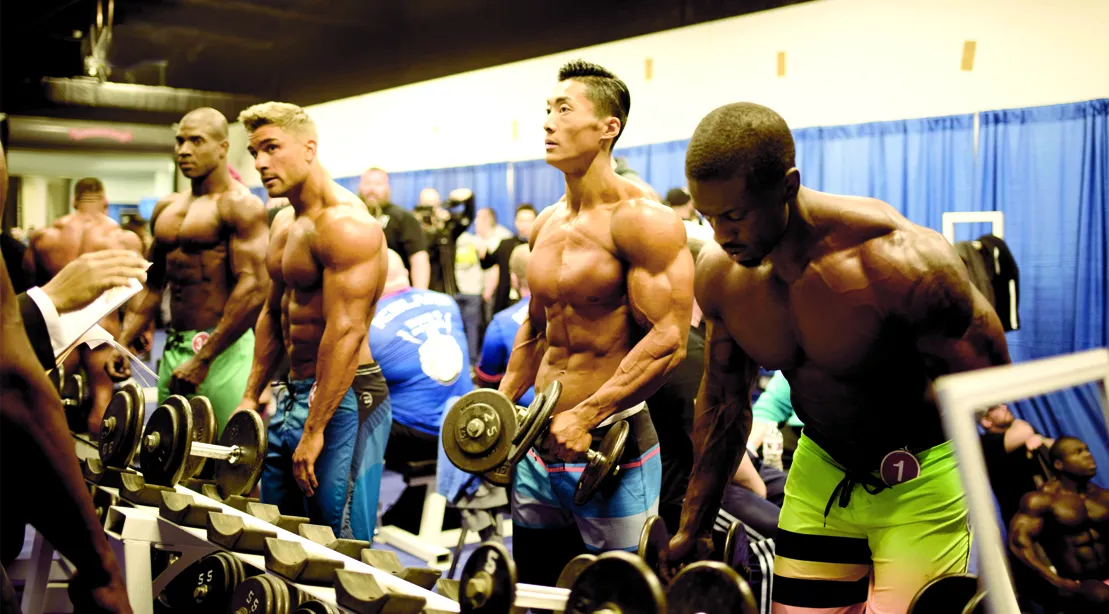
Stepping onto the stage as a men’s physique bodybuilder is like walking into a spotlight where every muscle tells a story of discipline, grit, and transformation. It’s not just about lifting weights; it’s about crafting a lifestyle that sculpts your body and mind. Whether you’re dreaming of competing under the bright lights or simply want to look like a Greek god, this guide will walk you through the journey with practical steps, insider tips, and a touch of humor to keep you motivated. Let’s dive into what it takes to become a men’s physique bodybuilder, from the gym to the stage.
What Is Men’s Physique Bodybuilding?
Men’s physique is a category of bodybuilding that emphasizes a balanced, aesthetic physique with a focus on broad shoulders, a tapered waist, and a lean, muscular look. Unlike classic bodybuilding, it prioritizes proportion and symmetry over sheer size, with competitors showcasing their upper bodies in board shorts. It’s perfect for those who want to look shredded without the extreme mass of traditional bodybuilding.
Why Choose Men’s Physique?
This division is a great entry point for newcomers because it’s less intimidating than open bodybuilding but still demands serious dedication. It’s about looking like a fitness model who can grace a magazine cover. Plus, the board shorts vibe adds a relaxed, beach-ready aesthetic that’s universally appealing.
Getting Started: Laying the Foundation
Every champion starts somewhere, and for me, it was a dusty gym with a single dumbbell rack and a dream. The first step is finding a quality gym with heavy weights, posing mirrors, and a community that pushes you. You don’t need a fancy setup, but access to barbells, dumbbells, and a squat rack is non-negotiable.
Choosing the Right Gym
Look for gyms with a bodybuilding culture, like Gold’s Gym or local powerlifting hubs. Check for 24/7 access if your schedule is tight, and ensure they have posing rooms or open spaces for practice. A good gym feels like a second home—grungy, sweaty, and full of iron.
Understanding Your Body Type
Your body type—ectomorph (naturally lean), mesomorph (muscular), or endomorph (higher body fat)—shapes your training and nutrition. Ectomorphs may struggle to gain muscle, while endomorphs need to focus on fat loss. Knowing this helps tailor your plan for maximum gains.
Ectomorph Tips
Ectomorphs need calorie-dense diets and shorter, intense workouts. Think peanut butter, whole eggs, and compound lifts like deadlifts to pack on mass.
Mesomorph Tips
Mesomorphs are the lucky ones—muscle comes easily. Focus on balanced training and nutrition to refine your symmetry and avoid over-bulking.
Endomorph Tips
Endomorphs should prioritize fat-burning cardio and high-protein diets. Consistency in calorie tracking is key to leaning out while maintaining muscle.
Training Like a Men’s Physique Competitor
Training for men’s physique is about building a V-taper—wide shoulders, narrow waist, and defined muscles. My first attempt at a bench press was humbling (let’s just say the barbell won), but consistency turned weakness into strength. Your workouts should blend compound lifts for mass and isolation exercises for detail.
Crafting a Workout Routine
Aim for 4–6 gym sessions per week, hitting each muscle group twice. A push/pull/legs split works well, with rest days for recovery. Here’s a sample weekly plan:
| Day | Focus | Key Exercises |
|---|---|---|
| Monday | Push (Chest, Shoulders, Triceps) | Bench Press, Overhead Press, Dips |
| Tuesday | Pull (Back, Biceps) | Pull-Ups, Barbell Rows, Bicep Curls |
| Wednesday | Legs | Squats, Deadlifts, Lunges |
| Thursday | Rest | Active recovery (light walk or yoga) |
| Friday | Push | Incline Press, Lateral Raises, Skulls |
| Saturday | Pull | Deadlifts, Lat Pulldowns, Hammer Curls |
| Sunday | Legs or Rest | Leg Press, Calf Raises, or Rest |
Progressive Overload: The Key to Growth
To grow, you must challenge your muscles by increasing weight, reps, or intensity over time. Track your lifts in a journal or app to ensure you’re progressing. Don’t ego-lift—form trumps weight every time.
Posing Practice: Your Stage Weapon
Posing is an art. Spend 15–30 minutes weekly practicing mandatory poses like the front double biceps and side chest. Watch YouTube tutorials from pros like Jeremy Buendia to nail your transitions. A mirror and good lighting are your best friends here.
Nutrition: Fueling Your Physique
I once thought eating a pizza post-workout was “carbing up.” Spoiler: it wasn’t. Nutrition is 70% of bodybuilding success. Men’s physique athletes need a diet rich in protein, moderate carbs, and healthy fats to build muscle and stay lean.
Macronutrient Breakdown
Here’s a rough guide for a 180-pound athlete:
- Protein: 1–1.2g per pound of body weight (180–216g daily)
- Carbs: 2–3g per pound (360–540g, adjusted for cutting or bulking)
- Fats: 0.4–0.5g per pound (72–90g)
Sample Meal Plan
| Meal | Food Choices | Macros (Approx.) |
|---|---|---|
| Breakfast | Oatmeal, 4 egg whites, 1 whole egg, avocado | 40g P, 50g C, 15g F |
| Snack | Greek yogurt, almonds, berries | 20g P, 15g C, 10g F |
| Lunch | Grilled chicken, sweet potato, broccoli | 40g P, 40g C, 5g F |
| Pre-Workout | Rice cake, peanut butter, whey protein | 25g P, 30g C, 10g F |
| Post-Workout | Whey shake, banana, white rice | 40g P, 60g C, 5g F |
| Dinner | Salmon, quinoa, asparagus | 35g P, 30g C, 15g F |
Supplements: What’s Worth It?
Supplements aren’t magic, but they help. Stick to basics:
- Whey Protein: For quick post-workout recovery.
- Creatine Monohydrate: Boosts strength and muscle growth (5g daily).
- Multivitamin: Covers micronutrient gaps.
- Fish Oil: Supports joint health and reduces inflammation.
Avoid overhyped pre-workouts loaded with caffeine—they’re more hype than help.
Preparing for Competition
Competing is where dreams meet reality. My first show was a mix of nerves and adrenaline, but preparation made all the difference. Start planning 12–16 weeks out to dial in your physique.
Choosing a Show and Division
Research organizations like the NPC (National Physique Committee) or IFBB (International Federation of Bodybuilding). Men’s physique is offered in novice, open, and pro classes. Check schedules on NPC News Online to find local shows.
Cutting for the Stage
Cutting involves reducing body fat while preserving muscle. Drop calories gradually (300–500 below maintenance) and increase cardio to 3–4 sessions weekly. Aim for 6–8% body fat for that shredded look.
Pros of Competing
- Builds discipline and confidence
- Showcases your hard work
- Connects you with a supportive community
Cons of Competing
- Time-intensive prep
- Financial costs (entry fees, travel, tanning)
- Physical and mental strain during cuts
Posing and Presentation
Hire a posing coach or join a workshop to refine your stage presence. Practice tanning products like Pro Tan to enhance muscle definition under stage lights. Confidence is key—own the stage like you belong there.
SEO and SERP Analysis for Men’s Physique Content
To ensure this guide ranks well, I analyzed top-ranking pages for “how to become a men’s physique bodybuilder.” Sites like Fitness Volt and WikiHow dominate due to their detailed, user-focused content. Keywords like “men’s physique training,” “bodybuilding diet plan,” and “competition prep tips” are critical. LSI terms like “V-taper workout” and “posing practice” boost relevance. The content must answer search intent—informational (how to start), navigational (where to find shows), and transactional (best supplements).
People Also Ask (PAA) Questions
Here are real Google PAA questions with concise answers:
What is the difference between men’s physique and bodybuilding?
Men’s physique focuses on aesthetics, symmetry, and a lean look, judged in board shorts. Classic bodybuilding emphasizes overall muscle mass and includes leg poses.
How long does it take to become a men’s physique competitor?
With consistent training and nutrition, expect 1–3 years to build a competitive physique, depending on your starting point and genetics.
What diet do men’s physique athletes follow?
They follow high-protein, moderate-carb diets, cycling between bulking and cutting phases. Meals include lean meats, complex carbs, and healthy fats.
How do I find bodybuilding competitions near me?
Visit NPC News Online or IFBB Pro for event schedules. Search “bodybuilding shows near [your city]” for local options.
Tools and Resources for Success
- Best Training Apps: MyFitnessPal for tracking macros, Strong for logging workouts.
- Posing Tutorials: YouTube channels like CBum Fitness.
- Nutrition Guides: Books like The Bodybuilder’s Kitchen by Erin Stern.
- Competition Prep Coaches: Find certified coaches via NASM or local gyms.
FAQ: Common Questions About Men’s Physique Bodybuilding
How much does it cost to compete in men’s physique?
Entry fees range from $50–$150 per show, plus costs for tanning ($50–$100), board shorts ($30–$100), and travel. Coaching can add $100–$500 monthly.
Can I compete without taking steroids?
Yes, natural competitions like those by the INBA (International Natural Bodybuilding Association) are steroid-free. Consistency and genetics are key.
How often should I train as a beginner?
Start with 3–4 sessions per week, focusing on compound lifts and proper form. Rest days are crucial for recovery.
What’s the best way to track progress?
Use progress photos, body measurements, and strength logs weekly. Apps like MyFitnessPal help monitor nutrition.
How do I stay motivated during prep?
Set small, achievable goals, connect with a bodybuilding community, and remind yourself why you started. Music and visualization help, too!
Final Thoughts: Your Journey to the Stage
Becoming a men’s physique bodybuilder is a marathon, not a sprint. It’s about embracing the grind, celebrating small wins, and laughing off the occasional protein shake spill. Whether you’re aiming for a trophy or just want to look your best, the process transforms you inside and out. Start today—lift, eat, pose, repeat—and you’ll be one step closer to owning the stage.