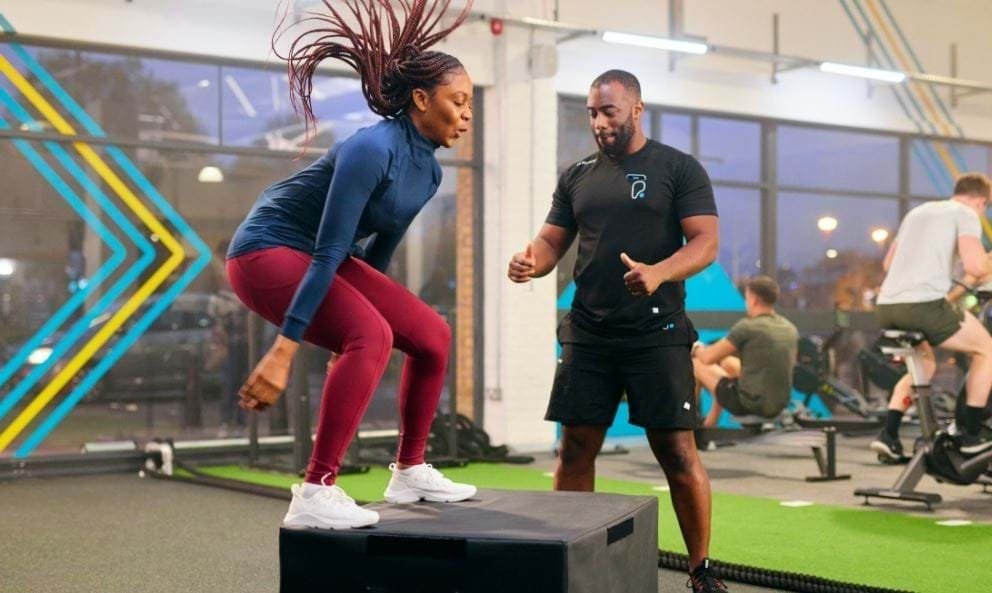
Hey there, friend. Picture this: You’re out on the basketball court, eyeing that layup, and suddenly your legs feel like coiled springs, launching you higher than you ever thought possible. That’s the magic I discovered about five years ago when I first stumbled into plyometrics. Back then, I was a weekend warrior—running half-marathons but feeling sluggish, like my body was holding back secrets. One rainy afternoon in my garage, I tried a simple squat jump after reading about it in an old fitness mag. Boom. My heart raced, my muscles buzzed, and I felt alive in a way steady-state cardio never delivered. If you’re curious about jumping into this explosive world, stick with me. We’ll unpack what plyometrics really are, why they might just supercharge your workouts, and how to weave them in without turning your joints into a comedy of errors. Trust me, it’s worth the leap.
Understanding Plyometrics: The Basics
Plyometrics, often just called “plyos,” are those quick, powerful moves that make you feel like a superhero mid-air. Think jumps, hops, and bounds that train your muscles to snap back faster than a rubber band. At their core, they tap into something called the stretch-shortening cycle—your muscles stretch under tension (like landing from a drop) then explode into contraction (pushing off). It’s not about grinding out reps; it’s about speed and snap. I remember my first session: awkward hops across the living room that left me giggling at my reflection. But over time, it clicked.
This isn’t some fad from the ’80s; it’s rooted in sports science, popularized by Soviet trainers in the mid-20th century for Olympic glory. Today, it’s for anyone chasing better power, whether you’re spiking a volleyball or chasing after kids at the park. No fancy gym needed—just your body and a forgiving floor. And here’s the hook: While it looks intense, starting simple builds a foundation that pays off big in everyday pep.
The Science Behind the Bounce
Diving deeper, plyometrics crank up your fast-twitch muscle fibers—the ones that fire for sprints and leaps, not marathons. When you drop and rebound, your tendons store elastic energy like a slingshot, releasing it for that extra oomph. Studies show this boosts neuromuscular efficiency, meaning your brain and muscles chat quicker for smoother, snappier moves. I felt it during a pickup soccer game last summer; my turns were sharper, like I’d oiled my hinges.
But it’s not all fireworks. The impact strengthens bones too, fighting age-related density loss—crucial as we hit our 40s. Research from places like Harvard backs this: Regular plyos can amp coordination and balance, slashing fall risks. Just don’t skip the warm-up; I learned that the hard way with a tweaked ankle that sidelined me for a week. It’s science you can feel, turning “meh” workouts into “whoa” moments.
Key Benefits for Your Body and Game
Plyometrics aren’t just for pros; they’re a game-changer for real folks like us. They sculpt explosive strength, helping you sprint faster or hoist groceries without a grunt. For runners, it sharpens economy—less energy wasted per stride, more miles in the tank. Weight loss? Oh yeah, those bursts torch calories while building lean muscle that keeps burning post-sweat.
Athletically, it’s gold: Higher jumps for basketball, quicker pivots for tennis. Even off the field, it amps agility for dodging traffic or dancing at weddings. Emotionally? That endorphin rush hits different—pure, joyful power. I once nailed a family hike’s steep scramble, grinning ear-to-ear. It’s not vanity; it’s vitality, making life feel bouncier.
Boosting Speed and Agility
Speed isn’t just for track stars; it’s for outpacing that bus or keeping up with grandkids. Plyos train rapid force production, shaving seconds off sprints. A study in the Journal of Strength and Conditioning found athletes gained 5-10% quicker bursts after eight weeks. Agility follows—those lateral hops mimic real-life dodges, enhancing quick changes in direction.
In my world, it meant weaving through crowded trails without tripping. Start low-impact, like marching in place with arm swings, and build. The payoff? Fluidity that turns chaos into control, with a side of confidence.
Building Explosive Power and Strength
Power’s the secret sauce—generating force fast, not just heavy lifts. Plyos excel here, mimicking sports’ demands better than slow squats. Research shows they rival weights for lower-body gains but add that snap. I paired them with my runs, and my hill climbs felt effortless, like gravity gave up.
Strength builds too: Repeated landings toughen tendons, upping resilience. For everyday heroes, it’s easier yard work or playful wrestling with pups. Humor me: Imagine deadlifting your ego—instead, plyos lift your limits, one explosive rep at a time.
Enhancing Endurance and Calorie Burn
Endurance gets a sneaky upgrade; those short, intense efforts spike VO2 max, letting you go longer without fading. Plyos blend cardio and strength, melting fat while sparing muscle—ideal for that stubborn midsection. One session can rival 30 minutes of steady jogging for burn, per fitness pros.
I wove in burpees post-run; suddenly, my easy miles felt charged. It’s efficient magic: More bang per sweat drop, leaving time for Netflix guilt-free.
Plyometrics vs. Traditional Weight Training: A Head-to-Head
Ever wonder if jumping trumps lifting? Both build strength, but plyos edge out for speed and power—think sprinter vs. strongman. Weights pack on mass steadily; plyos ignite fast-twitch fibers for athletic zip. A meta-analysis showed plyos superior for vertical leaps, while weights win raw bulk.
Combine them? Best of both worlds. I alternate: Heavy squats Monday, plyo hops Wednesday. Result? Balanced beast mode without boredom.
| Aspect | Plyometrics | Weight Training |
|---|---|---|
| Primary Focus | Explosive power, speed | Muscle hypertrophy, max strength |
| Equipment Needed | Minimal (bodyweight) | Barbells, dumbbells, machines |
| Impact on Joints | High (cushioned surfaces key) | Lower (controlled reps) |
| Calorie Burn | High-intensity bursts | Moderate, steady |
| Best For | Agility sports, quick bursts | Bodybuilding, heavy lifts |
Pros of plyos: Fun, functional, bone-boosting. Cons: Injury risk if rushed. Weights: Precise, scalable. Cons: Can feel grindy. Pick based on goals—me? I crave the variety.
Pros and Cons of Adding Plyos to Your Routine
Pros scream adventure: Skyrockets athleticism, boosts metabolism, and it’s downright playful—like recess for grown-ups. That post-jump glow? Priceless for mood dips.
Cons whisper caution: High impact jars joints if you’re new or overdo it. Recovery’s key—overtrain, and hello, shin splints. My tip: Listen to your body; it’s smarter than your enthusiasm.
- Pros:
- Ignites fast-twitch muscles for real-world power.
- Improves balance, cutting injury odds.
- Quick sessions fit busy lives.
- Fun factor keeps you hooked.
- Cons:
- Risk of strains without proper form.
- Not ideal for joint issues unchecked.
- Demands recovery days.
Balance them, and you’re golden.
Getting Started: Beginner-Friendly Exercises
Ready to bounce? Ease in with low-impact gems—no box required. Master form: Soft landings, core tight, eyes forward. I started on grass; felt like cheating the hurt.
- Squat Jumps: Sink into a squat, explode up, land soft. Builds basics.
- High Knees: March in place, knees pumping high. Cardio kickstart.
- Lateral Hops: Side-to-side skips over an imaginary line. Agility intro.
- Clapping Push-Ups: Standard push-up, clap mid-air. Upper-body plyo.
- Butt Kicks: Jog lightly, heels to glutes. Hamstring wake-up.
Do 3 sets of 8-10 reps, twice weekly. Progress slowly—your future self high-fives now.
Sample Beginner Plyometric Workout Routine
Crafted for newbies: 20-30 minutes, 2-3x/week post-warm-up. Warm with 5-min jog, dynamic stretches. Cool down with foam rolling—my sore-muscle savior.
- Warm-Up (5 mins): Arm circles, leg swings.
- Squat Jumps: 3×8.
- High Knees: 3×20 seconds.
- Lateral Hops: 3×10 per side.
- Clapping Push-Ups (knee version OK): 3×6.
- Butt Kicks: 3×20 seconds.
- Cool-Down: Stretch quads, calves.
Rest 60 seconds between sets. Track progress; I journaled jumps—motivating milestone chaser.
Where to Get the Best Plyometric Tools for Home
No gym? No problem. Start bodyweight, then snag basics from Amazon or Dick’s Sporting Goods. For jumps, a REP Fitness 3-in-1 Plyo Box offers heights 12-24 inches—versatile beast at $150. Hurdles? Affordable sets under $50 build agility.
Jump ropes from Rogue Fitness add cardio plyo. Check Perform Better for pro-grade. Budget? DIY with sturdy crates. Pro tip: Cushioned mats prevent ouch—worth every penny.
People Also Ask
Ever Googled and hit that “People Also Ask” goldmine? Here are real ones on plyos, answered quick.
What Are the Disadvantages of Plyometrics?
Sure, plyos pack punch, but overuse screams “joint party foul.” High impact risks shin splints or knee woes if form falters. Beginners beware: Without base strength, it’s like sprinting in heels. Limit sessions, prioritize recovery—I’ve skipped a day and thanked myself later.
How Do Plyometric Exercises Improve Performance?
By supercharging that stretch-shortening cycle, plyos make muscles elastic powerhouses. They amp neural drive, firing fibers faster for leaps and sprints. Runners see economy soar; team players dodge like ninjas. It’s performance pixie dust—subtle training, explosive results.
What Are the Three Types of Plyometric Exercises?
Broad jumps for distance, depth jumps for rebound snap, and bounding for stride power. Each hones different edges: Horizontal for speed, vertical for height, reactive for quickness. Mix ’em for full-spectrum fun.
What Is the Difference Between Plyometrics and HIIT?
HIIT’s timed blasts for heart-pumping endurance; plyos zero in on power via jumps. HIIT might include burpees (plyo-ish), but plyos demand max force in minimal time. Blend for hybrid heaven—I do HIIT Tuesdays, plyos Thursdays.
Frequently Asked Questions
Got lingering Qs? I’ve fielded these from buddies and online forums—here’s the scoop.
Are Plyometrics Safe for Beginners?
Absolutely, if you ease in. Build with low jumps, perfect landings. Consult a doc if joints creak. I started slow; now it’s staple without drama.
How Often Should I Do Plyometric Workouts?
Twice weekly max, with rest days. Overdo, and fatigue fibs form. Listen up—your body’s the boss.
Can Plyometrics Help with Weight Loss?
Yep, via calorie-crushing intensity and muscle-building afterburn. Pair with diet; I dropped 5 pounds blending with runs.
Do I Need Equipment for Plyometrics?
Nah, bodyweight rules. But a plyo box elevates—pun intended. Start free; upgrade as you groove.
Whew, we’ve covered the jumpscape. Plyometrics aren’t a quick fix but a joyful journey to bouncier you. Remember my garage epiphany? Yours awaits. Grab those sneakers, start small, and let’s chat in comments—what’s your first plyo? Here’s to leaping forward, together.