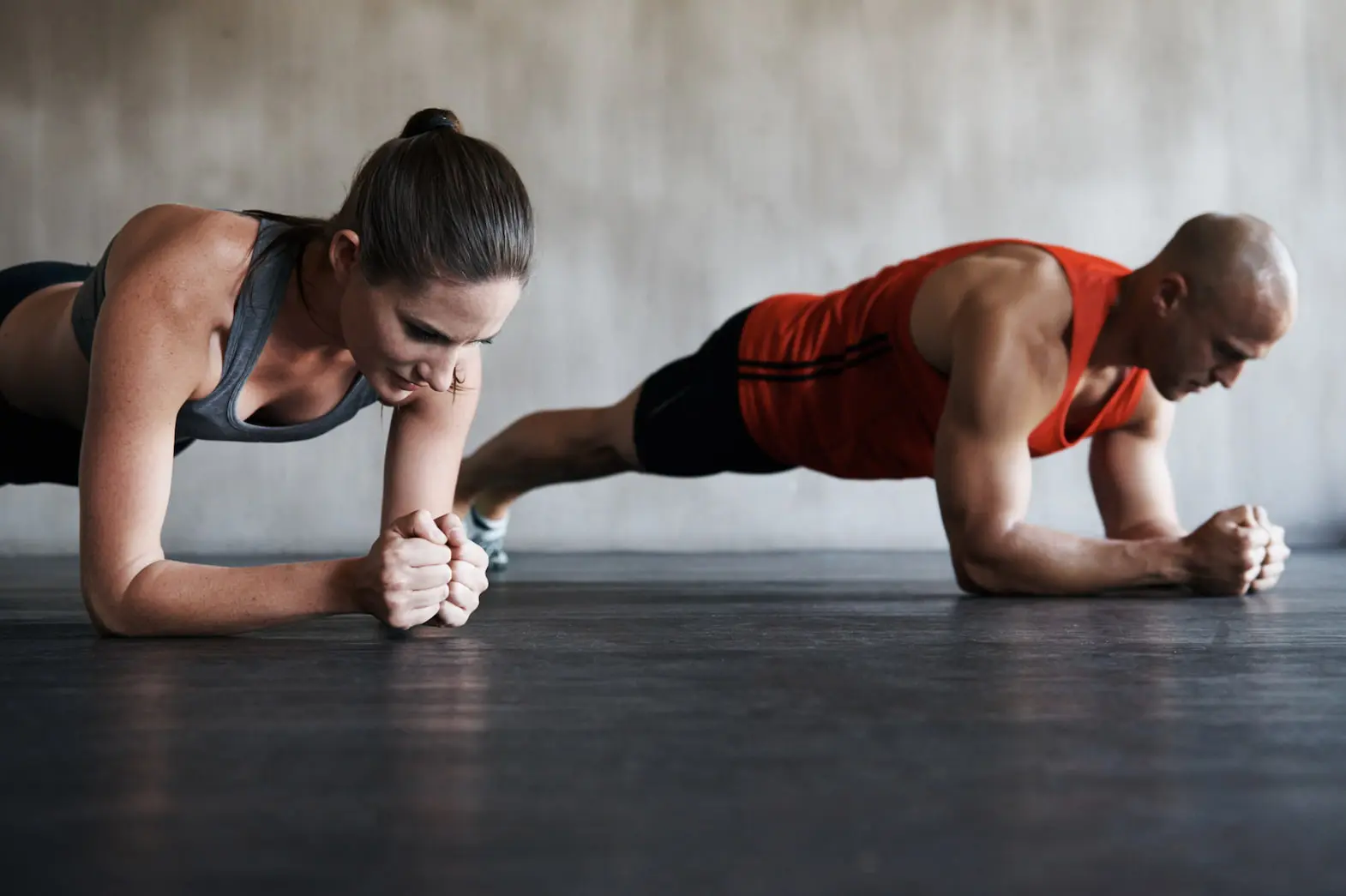
Hey there, if you’ve ever felt like your midsection was more of a weak link than a powerhouse, you’re not alone. I remember back in my early twenties, when I was all about heavy squats and bench presses, thinking my core was invincible just because I could lift big. Then came that hiking trip where a simple misstep left me sidelined with nagging lower back pain for weeks. It hit me hard: ignoring core training isn’t just shortsighted; it’s a recipe for frustration. That’s when I dove deep into building a truly strong core, and let me tell you, it transformed not just my workouts but my everyday life. From easier mornings tying my shoes without groaning to feeling more confident on the trail, a solid core is game-changing. In this guide, we’ll break it down step by step – no fluff, just practical advice drawn from years of trial, error, and yes, a few embarrassing fails along the way. Whether you’re a beginner eyeing your first plank or someone pushing for advanced stability, stick with me, and you’ll walk away ready to own your core.
What Is Core Training, Anyway?
Core training isn’t just about chasing that chiseled six-pack you see on magazine covers – though that’s a nice bonus if you’re consistent. At its heart, it’s about strengthening the muscles that stabilize your spine, pelvis, and torso, creating a foundation for everything from lifting groceries to sprinting after a bus. Think of your core as the body’s central hub, connecting upper and lower body for seamless movement.
I started with basic planks after my hiking mishap, and it felt awkward at first, like trying to balance on a wobbly board. But over time, those sessions built awareness of how my body moves as a unit, not isolated parts. Core work targets deep stabilizers like the transverse abdominis, not just surface abs, leading to better overall function.
Unlike spot-training myths, complete core training involves dynamic and static exercises that mimic real-life demands, ensuring you’re not just pretty but powerful. It’s accessible too – no gym required, just your body and a bit of floor space.
The Real Benefits of Building a Strong Core
A strong core does more than make you look good in a fitted shirt; it quietly supports your entire body, reducing strain and boosting performance in ways you might not notice until it’s missing. From preventing that twinge in your back during yard work to improving your golf swing, the payoffs are practical and profound.
Years ago, after incorporating core routines, I noticed my posture straightening without effort – no more slouching at my desk. It’s like upgrading your body’s operating system for smoother, pain-free operation. Plus, there’s an emotional lift; feeling stable translates to confidence in daily adventures.
Research backs this up: stronger cores enhance balance, cut injury risk, and even aid breathing efficiency during intense activities. Whether you’re an athlete or just chasing kids around, these gains make life feel lighter.
Improved Posture and Balance
Good posture starts from the core, as these muscles hold your spine aligned against gravity’s pull all day long. Slumping forward? A weak core lets it happen, leading to neck strain and fatigue.
I used to catch myself hunching over my computer, but after weeks of targeted training, standing tall became second nature. It’s empowering – like reclaiming space in a crowded world.
Balance improves too, crucial for older adults or anyone dodging uneven sidewalks, turning potential stumbles into steady steps.
Injury Prevention and Pain Relief
Weak cores overload the back and hips, inviting strains that sideline you for days. Training them distributes force evenly, shielding vulnerable areas during lifts or twists.
My back pain story? Core work was the fix, easing chronic aches without meds. It’s preventive medicine in motion, especially for desk warriors.
Studies show core strength slashes lower back injury rates by up to 50%, a stat that hits home when you’re back to pain-free living.
Better Athletic Performance and Daily Function
In sports, a rock-solid core transfers power efficiently – think explosive jumps in basketball or stable swings in tennis. It amps up endurance too.
Even off the field, it simplifies chores: carrying laundry upstairs feels effortless. I credit my core for powering through marathon training without burnout.
Emotionally, it builds resilience; knowing your body’s got your back (literally) lets you push limits with less fear.
Understanding Your Core Muscles
Your core isn’t a single muscle but a team of players working in sync to keep you upright and agile. From front to back, these groups handle stability, rotation, and flexion, all essential for complete training.
I learned this the hard way during a yoga class where ignoring my obliques led to side strains – a humbling reminder to train holistically. Visualizing the core as a cylinder around your torso helps; engage it fully for max results.
This knowledge shifts workouts from random crunches to purposeful routines, targeting weaknesses for balanced strength.
The Rectus Abdominis: Your Six-Pack Stars
This front-facing muscle runs vertically, creating that defined “abs” look when lean. It flexes the spine, aiding sit-ups and crunches.
But don’t obsess; overdoing it without balance leads to imbalances. I balanced mine with planks after vanity-driven reps caused tightness.
It’s key for aesthetics and function, like stabilizing during overhead presses.
Obliques and Transverse Abdominis: The Stabilizers
Obliques handle side-bending and rotation, while the deep transverse abdominis acts like a natural corset, drawing in for support.
Neglect them, and you’ll twist awkwardly – I did during a pickup game, tweaking my side. Twists and side planks fixed that.
Together, they prevent rotation injuries and improve breathing under load.
Lower Back and Pelvic Floor: The Hidden Heroes
Erector spinae in the back extend the spine, countering forward bends, while the pelvic floor supports organs and stability.
Weakness here? Hello, incontinence or back woes. My postpartum friend swore by bird dogs for rebuilding these post-baby.
They tie everything together, ensuring your core isn’t just front-loaded but fully fortified.
Essential Exercises for Complete Core Training
To build a complete core, mix anti-extension (like planks), anti-rotation (twists), and flexion moves. Start slow, focus on form – quality over endless reps.
I built my routine around these after ditching ineffective machines; they demand control, mimicking life’s unpredictability. Aim for 2-3 sessions weekly, progressing as you gain confidence.
Variety keeps it fun and targets all angles, preventing plateaus and boredom.
Planks: The Ultimate Stability Builder
Drop into a forearm plank, body straight from head to heels, holding as core fires to resist sagging. Start at 20 seconds, build to minutes.
My first full minute felt eternal, but it transformed my deadlift stability. Variations like side planks hit obliques too.
It’s simple, equipment-free, and a cornerstone for beginners advancing to dynamic holds.
Dead Bugs: Control and Coordination
Lie on your back, arms up, legs bent; extend opposite arm and leg slowly while pressing low back down.
This taught me intra-abdominal pressure after sloppy crunches pulled my neck. It’s gentle yet challenging for deep core activation.
Perfect for rehab or prepping for more intense moves, emphasizing breath and precision.
Bird Dogs: Balance and Back Strength
On all fours, extend right arm and left leg, holding steady before switching. Focus on not rocking hips.
I added these post-injury; they rebuilt trust in my lower back. Great for unilateral work, fixing imbalances.
They enhance proprioception, making everyday movements feel more grounded.
Russian Twists: Oblique Powerhouse
Sit with knees bent, lean back slightly, twist torso side to side, optionally holding a weight.
Humor alert: I once twisted too fast and knocked over my water bottle – lesson in control. Use medicine balls for progression.
They boost rotational strength, vital for sports like golf or tennis.
Leg Raises: Targeting Lower Abs
Hang from a bar or lie flat, lifting legs to 90 degrees without swinging. Control the descent.
Struggling at first, I modified to bent knees; now it’s a staple for that elusive lower ab burn.
Combines core with hip flexors, rounding out flexion training.
Beginner vs. Advanced Core Routines
Choosing the right routine depends on your starting point – beginners build foundations, advanced push limits. Both deliver results, but progression keeps motivation high.
I transitioned from beginner basics to advanced circuits over months, feeling the difference in power. Compare them to tailor your path.
| Aspect | Beginner Routine | Advanced Routine |
|---|---|---|
| Frequency | 2-3x/week, 10-15 min | 3-4x/week, 20-30 min |
| Exercises | Planks (20-30s), Dead Bugs (8-10 reps/side), Bird Dogs (6-8 reps/side) | Weighted Planks (45s+), Hanging Leg Raises (12-15 reps), Pallof Press (10 reps/side) |
| Focus | Form and endurance | Power, anti-rotation, speed |
| Equipment | None | Bands, weights, stability ball |
| Progression | Add time/reps weekly | Increase load, add instability |
Pros of Beginner Routines:
- Low injury risk, builds confidence quickly.
- Easy to fit into busy schedules.
- Focuses on proper engagement, preventing bad habits.
Cons of Beginner Routines:
- May feel too easy after a while, stalling progress.
- Less variety can lead to boredom.
Pros of Advanced Routines:
- Challenges deep strength, yielding faster visible gains.
- Improves functional power for sports or heavy lifts.
- Incorporates dynamics for real-world application.
Cons of Advanced Routines:
- Higher fatigue and recovery needs.
- Requires solid basics to avoid strain.
Common Mistakes to Avoid in Core Training
Rushing into core work without basics is like building a house on sand – it crumbles under pressure. I’ve made plenty, like holding breath during planks, which spiked my blood pressure unnecessarily.
Spotlight these pitfalls to train smarter, not harder. Consistency with corrections turns weaknesses into strengths.
- Neck Straining in Crunches: Pulling on your neck instead of using abs – keep hands light, eyes up. I did this early on, waking with soreness.
- Overemphasizing Crunches: They hit only front abs; neglect sides and back for imbalances. Balance with full-core moves.
- Ignoring Breath: Holding it builds pressure wrong; exhale on effort for better engagement.
- Going Too Fast: Momentum cheats the muscles – slow and controlled wins.
- Forgetting Recovery: Daily sessions without rest lead to burnout. Alternate days.
Nutrition and Recovery Tips for Optimal Core Gains
Core training shines with smart fueling – muscles need protein for repair and carbs for energy, especially post-workout. Hydration keeps things firing smoothly too.
After tough sessions, I’d refuel with a smoothie, noticing quicker recovery. Sleep and mobility work amplify gains, turning effort into lasting strength.
Pair this with training for synergy; without it, you’re spinning wheels.
- Protein Power: Aim for 20-30g post-workout from eggs, Greek yogurt, or chicken to mend micro-tears.
- Carb Reload: Bananas or oats restore glycogen, preventing fatigue in next sessions.
- Anti-Inflammatory Foods: Berries and salmon reduce soreness; I swear by cherries after intense days.
- Recovery Aids: Foam rolling and 7-9 hours sleep nightly – skip it, and progress stalls.
- Hydration Hack: 3-4 liters daily; dehydration weakens core stability.
Best Tools and Equipment for Core Training
No need for fancy gadgets, but the right tools elevate routines, adding resistance or instability. Start basic, upgrade as you advance – they’re worth the investment for variety.
I grabbed an ab wheel on a whim; it upped my game without gym fees. Shop online at sites like Amazon or Dick’s Sporting Goods for deals, or check local fitness stores for hands-on trials.
Here’s a roundup of top picks, balancing cost and effectiveness.
Ab Wheel:
- Pros: Intense roller for full engagement, portable, cheap ($10-20).
- Cons: Steep learning curve for beginners; risk of overextension.
- Best for: Intermediate users seeking progression.
Stability Ball:
- Pros: Adds instability for deeper activation, versatile for planks/crunches, around $20-40.
- Cons: Needs space, can roll away mid-set (hilarious but annoying).
- Best for: Home workouts enhancing balance.
Resistance Bands:
- Pros: Adjustable tension for anti-rotation like Pallof presses, affordable ($15/set), travel-friendly.
- Cons: Quality varies; cheap ones snap.
- Best for: All levels, especially rotation training.
Medicine Ball:
- Pros: Great for twists and slams, builds power ($20-50), fun dynamic element.
- Cons: Bouncy, so store carefully; heavier ones challenge grip.
- Best for: Advanced explosive work.
For more options, explore Garage Gym Reviews’ core equipment guide.
People Also Ask About Core Training
Google’s “People Also Ask” pulls real curiosities – here’s a dive into common ones, answered straight.
Why should you strengthen your core muscles?
A strong core stabilizes your spine, improves posture, and prevents injuries during daily activities or sports. It also boosts overall athletic performance by enhancing power transfer from legs to upper body.
What is the best exercise for core strength?
Planks top the list for engaging multiple core muscles simultaneously while building endurance. They’re scalable for all levels and require no equipment.
How often should you do core exercises?
Twice to three times a week is ideal, allowing recovery while building strength. Overdoing it risks fatigue; listen to your body.
What are the signs of a weak core?
Poor posture, frequent lower back pain, or instability during movements like squats signal weakness. Balance issues or quick fatigue in planks are red flags too.
Can core training help with back pain?
Absolutely – it strengthens supporting muscles, reducing strain on the spine. Start gently; consult a doc if pain persists.
Frequently Asked Questions
How long does it take to see core training results?
With consistent 2-3 sessions weekly plus clean eating, expect better stability in 4-6 weeks. Visible abs? 8-12 weeks if body fat drops – patience pays off.
Do I need a gym for complete core training?
Nope! Bodyweight exercises like those here work wonders at home. Add tools later for variety, but basics suffice for strong foundations.
What’s the difference between core training and ab workouts?
Ab workouts target surface muscles for aesthetics; core training builds deep stability for function. Both overlap, but complete core is holistic.
Can core exercises be done every day?
Better not – muscles need rest to grow. Alternate with light mobility or full-body days to avoid overuse.
How do I engage my core during exercises?
Draw your belly button toward your spine without holding breath, like bracing for a punch. Practice in planks; it becomes instinctual.
There you have it – your roadmap to a core that supports every twist, turn, and triumph in life. I went from back-pain victim to trail-blazer thanks to these principles; now it’s your turn. Start small today, track progress, and watch how it ripples out. For more tailored plans, check our beginner full-body guide. You’ve got this – go build that powerhouse midsection